
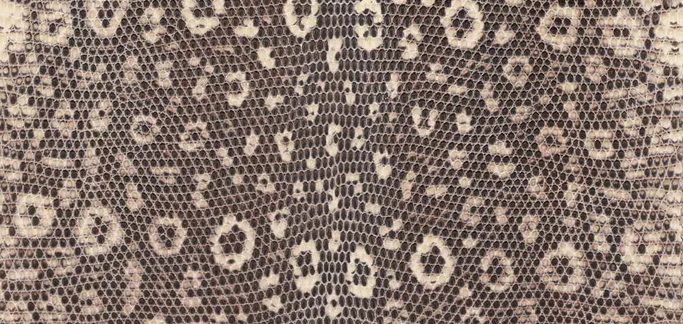
Introduction to Hermès Lizard Leather
The journey of transforming raw lizard skin into the sumptuous leather that graces Hermès boutiques worldwide is one of patience, expertise, and artistic vision. Each piece undergoes rigorous quality control, ensuring that only the finest specimens become part of the Hermès collection. This exclusivity, combined with the inherent limitations in sourcing and the specialized skills required for working with such delicate material, makes Hermès Lizard Leather one of the most coveted options for discerning collectors who seek both beauty and rarity in their luxury investments.
History and Heritage of Lizard Leather at Hermès
The incorporation of lizard leather into the Hermès repertoire represents a fascinating chapter in the maison’s evolution from a harness workshop to a global luxury powerhouse. During the early 20th century, as Hermès began expanding beyond equestrian goods into handbags and small leather accessories, the introduction of exotic skins marked a pivotal moment in establishing the brand’s reputation for unparalleled luxury and innovation. Lizard leather, with its distinctive scale pattern and refined texture, quickly became a favorite among the European aristocracy and international elite who frequented the Paris flagship store.
The 1930s witnessed a golden age for exotic leathers at Hermès, as the company’s artisans perfected techniques for working with these challenging materials. Unlike the more robust options found in the Classic Main Leathers collection, lizard skin required entirely new approaches to tanning, cutting, and construction. Master craftsmen developed specialized tools and methods specifically for handling the delicate scales, ensuring that each finished piece maintained the natural beauty of the skin while achieving the durability expected of Hermès products.
Throughout the decades, Hermès Lizard Leather has adorned some of the most iconic pieces in the company’s history. From the elegant clutches of the 1950s to the coveted mini Kelly bags of today, lizard skin has consistently represented the apex of luxury and craftsmanship. The material gained particular prominence during the 1960s and 1970s, when bold colors and exotic materials became symbols of sophistication and status. Notable clients, including Grace Kelly and Jackie Kennedy, were frequently photographed carrying lizard leather accessories, cementing its position as a material synonymous with refined elegance.
The modern era has seen Hermès continue to innovate with lizard leather while maintaining the traditional techniques that ensure its exceptional quality. Contemporary tanning processes have been refined to enhance the material’s natural luster and durability, while new dying techniques have expanded the color palette available to clients. The company’s commitment to sustainable and ethical sourcing has also evolved, with Hermès working closely with certified farms and adhering to strict international regulations governing the trade in exotic skins. This dedication to responsible luxury ensures that Hermès Lizard Leather remains not only a symbol of excellence but also a testament to the brand’s forward-thinking approach to conservation and ethical business practices.
Comprehensive Characteristics of Hermès Lizard Leather
The distinctive characteristics of Hermès Lizard Leather set it apart from every other material in the luxury leather goods market. The most immediately recognizable feature is its mesmerizing scale pattern, which creates a sophisticated geometric texture across the surface of the leather. These scales, naturally smaller and more uniform than those found on Hermès Crocodile Leather, produce a refined, almost tessellated appearance that catches and reflects light in constantly changing patterns. Each scale acts like a tiny mirror, creating a subtle shimmer that gives lizard leather bags an animated quality, seeming to shift and sparkle with movement.
The texture of Hermès Lizard Leather presents a fascinating tactile experience that distinguishes it from other exotic skins. Unlike the pronounced, raised scales of alligator or the distinctive quill patterns of ostrich, lizard scales lie relatively flat against the surface, creating a smooth yet textured feel that is both luxurious and practical. This unique texture provides an excellent grip without being abrasive, making lizard leather particularly suitable for smaller accessories and evening bags where elegance and functionality must coexist harmoniously. The scales themselves are remarkably resilient, maintaining their definition and arrangement even after years of careful use.
From a structural perspective, lizard leather possesses unique properties that make it both challenging and rewarding to work with. The skin is naturally thin and lightweight, yet surprisingly strong when properly treated and reinforced. This combination of delicacy and durability requires exceptional skill from Hermès artisans, who must balance the material’s inherent fragility with the structural requirements of creating bags that will withstand daily use. The leather’s flexibility allows it to be shaped and molded with precision, enabling the creation of sharp, clean lines and perfectly defined corners that are hallmarks of Hermès construction.
The aging process of Hermès Lizard Leather reveals another dimension of its character. Unlike some leathers that develop a patina through use, lizard skin maintains its original appearance remarkably well when properly cared for. The scales may develop a slightly deeper luster over time, and the leather may become more supple, but the essential beauty of the material remains unchanged. This stability makes lizard leather an excellent choice for collectors who prefer their pieces to maintain their original appearance, as well as for special occasion bags that may be used infrequently but must always look impeccable.
When comparing durability factors, Hermès Lizard Leather occupies a unique position within the Lizard Varieties category. While it requires more careful handling than hardy options like Togo or Clemence, it proves more resilient than one might expect from such a delicate-appearing material. The leather demonstrates good resistance to minor scratches, though deep scratches can damage the scale pattern permanently. Water resistance is limited, making lizard leather unsuitable for rainy conditions, but the material’s natural oils provide some protection against minor moisture exposure. Understanding these characteristics is essential for anyone considering an investment in this exquisite material.
Manufacturing Excellence and Craftsmanship
The journey of creating Hermès Lizard Leather begins long before the material reaches the skilled hands of Hermès artisans. The sourcing process involves careful selection from certified farms that meet the maison’s exacting standards for quality, sustainability, and ethical practices. Each skin undergoes multiple inspections to ensure it meets the criteria for size, scale pattern consistency, and absence of imperfections. Only a small percentage of available skins possess the qualities necessary to bear the Hermès name, making the raw material itself a rare commodity in the luxury goods industry.
The tanning process for lizard leather represents one of the most complex and time-intensive procedures in leather manufacturing. Unlike the robust hides used for many classic leathers, lizard skin requires a delicate balance of traditional techniques and modern chemistry to achieve the desired combination of suppleness, durability, and aesthetic appeal. The process begins with careful cleaning and preparation of the raw skins, followed by a series of tanning baths using proprietary formulations developed over decades of experimentation. These treatments not only preserve the leather but enhance its natural characteristics, bringing out the definition of the scales and creating the distinctive luster that defines Hermès lizard leather.
The dying process for lizard leather demands exceptional precision and expertise. Due to the scale structure and the thinness of the skin, achieving uniform color saturation requires specialized techniques that differ significantly from those used for other leathers. Hermès employs master colorists who understand how different dyes interact with the unique properties of lizard skin, creating colors that are both vibrant and stable. The scales’ natural tendency to reflect light means that colors appear more luminous and dynamic on lizard leather than on other materials, resulting in bags that seem to glow with an inner light.
Once the leather is prepared, the construction of lizard leather goods requires the highest level of craftsmanship. Hermès artisans who work with exotic skins undergo additional specialized training beyond the already rigorous standards required for all Hermès craftspeople. The delicate nature of lizard leather means that every cut must be perfect, every stitch precisely placed, and every piece of hardware attached with utmost care to avoid damaging the scales. The thin profile of the leather also requires special reinforcement techniques to ensure structural integrity without adding bulk or compromising the material’s natural elegance. This level of expertise is why lizard leather pieces often command premium prices even within the already exclusive world of Other Exotic Leathers.
Hermès Bag Models in Lizard Leather
The application of Hermès Lizard Leather across the maison’s iconic bag collection demonstrates the versatility and desirability of this exotic material. The Birkin bag in lizard leather represents perhaps the ultimate expression of luxury, combining the world’s most coveted handbag design with one of its most exclusive materials. Due to the size limitations of lizard skins, Birkin bags in this material are typically available only in smaller sizes, particularly the Birkin 25 and occasionally the Birkin 30. These compact proportions actually enhance the appeal of lizard Birkins, as the smaller scale allows the intricate pattern of the scales to be appreciated fully, while the reduced weight makes these bags ideal for evening events and special occasions.
The Kelly bag, with its structured silhouette and refined proportions, provides an ideal canvas for showcasing the beauty of Hermès Lizard Leather. The clean lines and geometric shape of the Kelly complement the natural pattern of lizard scales perfectly, creating a harmonious visual effect that epitomizes sophisticated elegance. Mini Kelly and Kelly 25 sizes are most commonly found in lizard leather, though rare examples of Kelly 28 do exist for collectors fortunate enough to acquire them. The Sellier construction, with its exterior stitching and sharp edges, particularly suits lizard leather, as it emphasizes the material’s ability to hold precise shapes and crisp details.
The Constance bag emerges as another exceptional model for lizard leather application. The bag’s sleek, minimalist design allows the natural beauty of the lizard skin to take center stage, while the iconic H closure provides a striking contrast to the organic pattern of the scales. The Constance’s shoulder strap, often crafted from matching lizard leather, showcases the material’s flexibility and durability. The various sizes of Constance bags, from the mini to the Constance 24, each offer different ways to appreciate the unique characteristics of lizard leather, with smaller sizes emphasizing delicacy and larger ones displaying the impressive continuity of the scale pattern.
Beyond the holy trinity of Birkin, Kelly, and Constance, Hermès has created numerous other designs that benefit from the distinctive qualities of lizard leather. The Roulis bag, with its contemporary aesthetic and clean lines, looks particularly striking in lizard, as does the vintage-inspired Sac à Dépêches. Small leather goods such as the Calvi card holder, Bastia change purse, and various wallet designs showcase how lizard leather can elevate even the smallest accessories into objects of desire. These pieces often serve as entry points for collectors beginning their journey with exotic leathers, offering the Hermès lizard experience at a more accessible level.
When comparing lizard leather bags to those crafted from Hermès Niloticus Crocodile Leather or Hermès Alligator Leather, several distinctions become apparent. Lizard bags tend to be lighter in weight, making them more comfortable for extended wear, particularly in shoulder and crossbody styles. The smaller scale pattern creates a more subtle, refined appearance that many collectors prefer for dressy occasions. However, the size limitations of lizard skins mean that large bags are exceptionally rare, making them highly sought after when they do appear in the secondary market.
The Color Palette of Hermès Lizard Leather
The chromatic possibilities of Hermès Lizard Leather represent one of its most captivating attributes. The unique structure of lizard scales creates an exceptional canvas for color, with each scale acting as a faceted surface that captures and reflects light differently depending on the viewing angle. This optical property means that colors on lizard leather appear more dynamic and multidimensional than on smooth leathers, creating bags that seem to shift between different tones as they move. Classic colors like Noir (black) take on an almost jewel-like quality, with deep shadows between scales contrasting with highlights on their surfaces.
Hermès has developed specific color formulations that work particularly well with lizard leather’s unique properties. Bright, saturated colors such as Rose Shocking, Bleu Électrique, and Vert Émeraude achieve an almost electric intensity on lizard skin that cannot be replicated on other materials. These vivid hues have become signatures of Hermès lizard leather pieces, sought after by collectors who appreciate their ability to serve as both functional accessories and wearable art. The maison’s color specialists understand how to adjust dye formulations to account for the way lizard scales interact with light, ensuring that each color achieves its intended effect.
Neutral tones and earth colors reveal another dimension of lizard leather’s versatility. Shades like Étoupe, Gris Tourterelle, and Craie demonstrate how the scale pattern can add visual interest even to subdued colors, creating depth and texture that prevents these neutrals from appearing flat or boring. These colorways prove particularly popular among collectors who want the luxury of exotic leather without the boldness of bright colors, offering sophistication that complements a wide range of wardrobes and occasions. The way these muted tones interact with different lighting conditions – from bright sunlight to evening candlelight – showcases the adaptive beauty of lizard leather.
The combination of lizard leather with different hardware finishes creates additional aesthetic possibilities. Gold hardware provides a classic, luxurious complement to the scales’ natural shimmer, while palladium offers a modern, cooler contrast. The rare and coveted Permabrass hardware, with its subtle champagne tone, creates particularly harmonious combinations with certain lizard leather colors. Some limited edition pieces feature exotic hardware options like ruthenium or rose gold, creating combinations that are virtually impossible to find and highly prized by serious collectors. The interplay between the metallic hardware and the iridescent quality of lizard scales produces visual effects that photographs rarely capture adequately, making these pieces even more impressive in person.
Care and Maintenance of Hermès Lizard Leather
The preservation of Hermès Lizard Leather requires a more attentive approach than that needed for sturdy options like Hermès Togo Leather or Hermès Epsom Leather. The delicate nature of lizard scales demands specific care protocols to maintain the leather’s beauty and integrity over time. The primary concern is protecting the scales from lifting or peeling, which can occur if the leather is subjected to excessive friction, moisture, or improper handling. Understanding and implementing proper care techniques is essential for anyone investing in this exquisite material.
Daily handling of lizard leather bags should always involve clean, dry hands, as oils and moisture from skin can affect the leather’s appearance and potentially cause damage over time. When carrying a lizard leather bag, avoid contact with rough surfaces, jewelry, or anything that might catch on the scales. The bag should never be overfilled, as excessive stress on the leather can cause scales to lift or the leather to stretch unnaturally. When setting down the bag, choose smooth, clean surfaces and avoid placing it on the floor where it might be subjected to dirt, moisture, or accidental damage.
Cleaning lizard leather requires extreme gentleness and the right materials. For routine maintenance, a soft, dry cloth – preferably microfiber – should be used to gently dust the surface, always working in the direction of the scales to avoid lifting them. If more thorough cleaning is needed, a very slightly damp cloth may be used, but the leather must be immediately dried with a soft, absorbent cloth. Never use leather conditioners, oils, or any products not specifically designed for exotic skins, as these can damage the delicate scale structure or alter the leather’s appearance. For any significant cleaning needs, professional service from Hermès or a specialist in exotic leathers is strongly recommended.
Storage of lizard leather items requires particular attention to environmental conditions. The ideal storage environment maintains moderate temperature and humidity levels, avoiding extremes that can cause the leather to dry out or become too moist. Each piece should be stored in its original Hermès dust bag, stuffed with acid-free tissue paper to maintain shape, and kept away from direct sunlight, heat sources, and areas prone to dampness. Unlike some leathers that benefit from occasional airing, lizard leather should be protected from environmental exposure when not in use. The storage area should also be free from moths and other insects that might be attracted to natural materials.
Professional maintenance services offered by Hermès spa services provide specialized care that can restore and preserve lizard leather pieces. These services include deep cleaning, scale treatment, color restoration, and structural repairs performed by artisans trained specifically in exotic leather care. Regular professional maintenance, typically recommended every few years depending on use, can significantly extend the life and beauty of lizard leather items. The investment in professional care is minimal compared to the value of the piece and the cost of potential damage from improper home maintenance attempts.
Comparing Hermès Lizard Leather to Other Materials
When evaluating Hermès Lizard Leather against other exotic options, distinct advantages and considerations emerge that help collectors make informed decisions. Compared to Hermès Porosus Crocodile Leather, often considered the king of exotic leathers, lizard offers a more subtle and refined aesthetic. While crocodile leather commands attention with its larger, more dramatic scales and supreme durability, lizard leather provides understated elegance that many find more versatile for various occasions. The weight difference is also significant, with lizard leather bags being considerably lighter, making them more comfortable for extended wear.
The comparison with Hermès Ostrich Leather reveals interesting contrasts in both aesthetics and practicality. Ostrich leather, with its distinctive quill pattern and remarkable durability, offers a completely different visual and tactile experience. While ostrich is generally more resistant to scratches and can withstand more rigorous use, lizard leather provides a more formal, dressy appearance that many collectors prefer for evening events and special occasions. The scale pattern of lizard creates a more uniform, geometric appearance compared to the organic, scattered quill pattern of ostrich, appealing to those who prefer structured, architectural aesthetics in their accessories.
Within the lizard leather category itself, Hermès offers several variants, each with unique characteristics. The Hermès Varanus Niloticus Lizard Leather presents larger scales and a slightly different pattern distribution, while Hermès Salvator Lizard Leather offers its own distinctive scale arrangement and texture. These variations provide collectors with options within the lizard category, allowing for personal preference in scale size, pattern regularity, and overall appearance while maintaining the essential characteristics that make lizard leather special.
When compared to classic Hermès leathers, lizard occupies a completely different category in terms of both aesthetics and application. While everyday leathers like Clemence or Togo excel in durability and casual elegance, lizard leather serves a more specialized role in a collection. It lacks the weather resistance and robust nature of these workhorse leathers but offers an incomparable level of luxury and visual impact. Many collectors view lizard leather pieces as the jewels of their collection – special pieces reserved for occasions when making an impression is paramount. This positioning makes lizard leather complementary rather than competitive with classic leathers, serving different needs within a well-rounded collection.
Investment Value and Market Dynamics
The investment potential of Hermès Lizard Leather pieces reflects their position at the intersection of rarity, craftsmanship, and desirability. The limited availability of high-quality lizard skins suitable for Hermès production creates natural scarcity that drives value appreciation over time. Unlike more common materials that Hermès can source in larger quantities, lizard leather production faces constraints from both supply limitations and international regulations governing exotic leather trade. This scarcity, combined with consistent demand from collectors worldwide, establishes a strong foundation for long-term value retention and appreciation.
Market analysis reveals that lizard leather pieces often appreciate at rates exceeding those of classic leather counterparts, particularly for rare color combinations and limited edition releases. The secondary market for Hermès lizard leather demonstrates robust demand, with pieces often selling for multiples of their original retail prices. Factors contributing to premium valuations include the specific model, size, color, hardware combination, and condition. Pristine examples of discontinued colors or rare size combinations can command extraordinary premiums, sometimes reaching levels that surprise even experienced collectors.
The collector demographic for Hermès Lizard Leather tends to be sophisticated and discerning, often comprising individuals who already own multiple Hermès pieces and seek to elevate their collections with exceptional examples. This educated buyer base understands the nuances of exotic leathers and is willing to pay premiums for superior examples. The global nature of this collector community, spanning from traditional markets in Europe and North America to rapidly growing segments in Asia and the Middle East, ensures consistent demand across economic cycles. This geographical diversity provides stability to the investment value of lizard leather pieces.
Future value prospects for Hermès Lizard Leather appear particularly strong given evolving regulations around exotic leather trade and Hermès’s commitment to sustainable sourcing. As regulations become more stringent and ethical sourcing requirements more demanding, the production of new lizard leather pieces may become even more limited, potentially driving values of existing pieces higher. Additionally, Hermès’s position as the premier luxury leather goods manufacturer, combined with its controlled distribution and production, suggests that lizard leather pieces will continue to be highly sought after by future generations of collectors.
Authentication Guide for Hermès Lizard Leather
Authenticating Hermès Lizard Leather requires understanding specific markers that distinguish genuine pieces from counterfeits. The scale pattern itself provides the first line of authentication – genuine Hermès lizard leather displays natural variation in scale size and arrangement, with no two areas looking exactly identical. Counterfeit pieces often show repetitive patterns or unnaturally uniform scales that betray their artificial origin. The texture of authentic lizard scales has a specific feel, with each scale having subtle definition and natural edges that can be felt when running a finger gently across the surface.
The quality of craftsmanship in authentic Hermès lizard leather pieces sets them apart from imitations. Genuine pieces display impeccable stitching with perfectly even spacing and tension, regardless of the challenges presented by working with exotic leather. The edges of the leather are finished with exceptional precision, often painted or sealed in a way that protects the delicate scales while maintaining a clean appearance. Hardware attachment points show no stress or damage to the surrounding scales, demonstrating the skill required to work with this delicate material.
Documentation and provenance play crucial roles in authentication, particularly for exotic leathers. Authentic Hermès lizard leather pieces should be accompanied by CITES (Convention on International Trade in Endangered Species) documentation, which is required for international transport of exotic leather goods. The craftsman’s stamp, date stamp, and material designation stamps inside the bag provide additional authentication points. These stamps should be clear, properly aligned, and consistent with Hermès’s stamping practices for the period of manufacture.
Styling Guide for Hermès Lizard Leather
The styling potential of Hermès Lizard Leather accessories extends across a spectrum of occasions and aesthetic preferences, though their natural elegance particularly suits formal and semi-formal settings. For evening events, a lizard leather clutch or mini Kelly becomes the perfect complement to cocktail attire or formal gowns, providing a luxurious focal point that elevates the entire ensemble. The way lizard scales catch and reflect light under evening lighting creates a particularly magical effect, making these pieces ideal for galas, theater outings, and sophisticated dinner parties.
Seasonal considerations play an important role in styling lizard leather pieces. During spring and summer, lighter colors in lizard leather provide an elegant alternative to casual materials, perfect for garden parties, yacht gatherings, or upscale resort wear. The delicate nature of lizard leather makes it less suitable for autumn and winter’s harsher conditions, though it can be stunning for indoor holiday events and celebrations. The key is protecting these precious pieces from moisture and extreme temperatures while maximizing their visual impact during appropriate occasions.
Conclusion: The Enduring Appeal of Hermès Lizard Leather
Hermès Lizard Leather stands as a testament to the maison’s unwavering commitment to excellence, representing the pinnacle of luxury leather goods craftsmanship. Through this comprehensive exploration, we’ve discovered how this exotic material combines natural beauty with human artistry to create pieces that transcend mere accessories to become treasured works of art. The unique characteristics of lizard leather – from its mesmerizing scale pattern to its distinctive way of interacting with light – offer collectors an opportunity to own something truly exceptional within the already exclusive world of Hermès.
For those considering an investment in Hermès Lizard Leather, the journey promises both immediate satisfaction and long-term value. While these pieces require more careful handling than robust everyday leathers, the reward is ownership of something genuinely special – a convergence of rarity, craftsmanship, and timeless elegance that few other materials can match. Whether as a cornerstone of a growing Hermès collection or as that one perfect piece for special occasions, lizard leather continues to captivate collectors who appreciate the finest expressions of luxury leather goods. As we look to the future, the combination of increasing rarity, sustained demand, and Hermès’s matchless reputation ensures that lizard leather will remain among the most coveted materials in the Exotic Leather category for generations to come.