
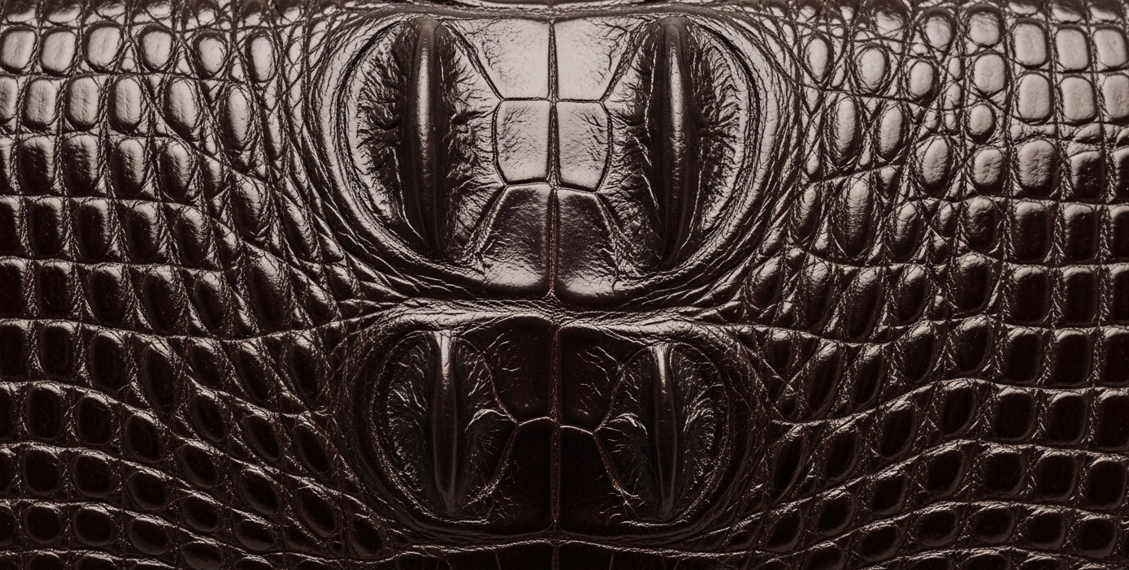
In the pantheon of luxury materials that define the pinnacle of French craftsmanship, Hermès Salvator Crocodile Leather stands as a testament to the maison’s unwavering commitment to excellence and exclusivity. This extraordinary exotic leather, sourced from the Salvator crocodile species native to South America, represents one of the most coveted materials in the world of haute maroquinerie. When artisans at Hermès transform this exceptional hide into a handbag, they create not merely an accessory, but a wearable masterpiece that embodies centuries of leather-working tradition combined with contemporary luxury.
The Rich History and Heritage of Hermès Salvator Crocodile Leather
The introduction of Hermès Salvator Crocodile Leather into the maison’s prestigious collection marks a significant chapter in the brand’s illustrious history with exotic materials. Hermès began working with exotic leathers in the early 20th century, recognizing that discerning clients sought materials that transcended ordinary luxury. The Salvator crocodile, scientifically known as Caiman crocodilus, presented unique opportunities for creating exceptional pieces that would satisfy the most demanding tastes.
During the 1920s and 1930s, as international travel became more accessible to the wealthy elite, exotic leathers gained prominence as symbols of worldly sophistication. Hermès, already renowned for its equestrian heritage and leather expertise, began incorporating various Crocodile Varieties into its collections. The Salvator species, with its distinctive scale pattern and remarkable durability, quickly established itself as a material worthy of the house’s most exclusive creations.
The post-war era saw a dramatic evolution in how Hermès approached Salvator Crocodile Leather. As conservation efforts became paramount, the house pioneered sustainable sourcing practices that would become industry standards. Working exclusively with certified farms that adhered to strict environmental and ethical guidelines, Hermès ensured that every Salvator crocodile skin could be traced to its origin, guaranteeing both quality and responsibility.
The 1980s marked a golden age for Hermès Salvator Crocodile Leather, coinciding with the creation of the iconic Birkin bag in 1984. The combination of this revolutionary design with the exotic allure of Salvator crocodile created pieces that would become legendary in the annals of luxury fashion. Celebrity collectors and royalty alike coveted these extraordinary creations, elevating them from mere accessories to investment pieces and family heirlooms.
Today, Hermès Salvator Crocodile Leather continues to represent the pinnacle of exotic luxury, with each piece reflecting decades of refinement in tanning techniques, color development, and craftsmanship. The maison’s commitment to excellence ensures that modern Salvator crocodile pieces not only honor this rich heritage but also push the boundaries of what’s possible in luxury leather goods. This dedication to both tradition and innovation has solidified the position of Hermès Salvator Crocodile Leather as one of the most desirable materials in the Exotic Leather category.
Distinctive Characteristics of Hermès Salvator Crocodile Leather
The unique characteristics of Hermès Salvator Crocodile Leather set it apart from other exotic materials in the luxury market. The most immediately striking feature is its scale pattern, which displays a harmonious blend of larger rectangular scales transitioning to smaller, more circular scales. This natural gradation creates a visual rhythm that is both captivating and sophisticated, making each piece truly one-of-a-kind. Unlike the more uniform patterns found in Hermès Porosus Crocodile Leather, Salvator crocodile exhibits a more varied and organic scale arrangement that many collectors find particularly appealing.
The texture of Hermès Salvator Crocodile Leather offers a sensory experience that is unmatched in the world of luxury materials. Each scale features a subtle three-dimensional quality, with gentle ridges and valleys that catch and reflect light in mesmerizing ways. This topographical complexity means that the leather appears to change character depending on the viewing angle and lighting conditions, creating a dynamic visual experience that never grows tiresome. The surface, while appearing delicate, possesses a surprising resilience that speaks to the quality of both the raw material and Hermès’s masterful tanning process.
Durability is a hallmark of properly treated Salvator crocodile leather, and Hermès’s expertise elevates this natural strength to exceptional levels. The dense fiber structure of the hide provides excellent resistance to stretching and deformation, ensuring that bags maintain their shape even with regular use. This structural integrity is particularly important for larger bag styles, where the leather must support considerable weight without sagging or losing its elegant silhouette. When compared to Hermès Caiman Crocodile Leather, Salvator crocodile often demonstrates superior flexibility while maintaining comparable durability.
The aging process of Hermès Salvator Crocodile Leather is a testament to its exceptional quality. Rather than deteriorating with time, well-maintained pieces develop a subtle patina that enhances their character and beauty. The scales may develop a gentle luster that wasn’t present when new, creating a lived-in elegance that many collectors actively seek. This graceful aging sets it apart from synthetic alternatives and even some other exotic leathers that may become brittle or lose their appeal over time.
Weather resistance is another notable characteristic of Hermès Salvator Crocodile Leather, though it requires proper care to maintain this quality. The natural oils present in the hide, combined with Hermès’s specialized finishing treatments, provide a degree of water resistance that protects the leather from light moisture exposure. However, this doesn’t mean the material is waterproof, and owners must still exercise caution in wet conditions. The leather’s response to temperature variations is also remarkably stable, maintaining its suppleness across a wide range of climates without cracking or becoming overly soft.
The tactile quality of Hermès Salvator Crocodile Leather deserves special mention. Running one’s hand across the surface reveals a complexity of textures – smooth scales interspersed with subtle ridges, creating a sensory map that is both luxurious and engaging. This textural variety contributes to the material’s grip, making bags easier to hold securely while maintaining an air of refinement that synthetic materials simply cannot replicate.
The Art of Manufacturing Hermès Salvator Crocodile Leather
The transformation of raw Salvator crocodile hide into the exquisite Hermès Salvator Crocodile Leather begins long before the material reaches the workshops of Pantin. The sourcing process represents the foundation of quality, with Hermès maintaining relationships with select farms that specialize in raising Salvator crocodiles under carefully controlled conditions. These partnerships, developed over decades, ensure consistent access to the finest raw materials while supporting sustainable practices that protect wild populations.
The selection process for Salvator crocodile skins is extraordinarily rigorous, with Hermès experts examining each hide for imperfections that might compromise the final product. Only approximately 10% of available skins meet the house’s exacting standards, with factors such as scale uniformity, skin thickness, and natural markings all playing crucial roles in the selection criteria. This selectivity ensures that every piece bearing the Hermès name represents the pinnacle of quality in the Exotic Leather category.
The tanning process for Hermès Salvator Crocodile Leather combines traditional techniques with modern innovations to achieve optimal results. The hides undergo a series of treatments that can span several months, beginning with careful cleaning and preparation. The actual tanning involves proprietary formulations that Hermès has refined over generations, using a combination of vegetable and mineral tanning agents that preserve the leather’s natural beauty while enhancing its durability. This process differs significantly from that used for other materials like Hermès Togo Leather, requiring specialized expertise and equipment.
Color application to Salvator crocodile leather represents one of the most challenging aspects of the manufacturing process. The varied texture and absorption rates of different scale types mean that achieving uniform color requires exceptional skill and patience. Hermès artisans apply multiple layers of dye, carefully building depth and richness while ensuring that the natural characteristics of the scales remain visible. This process can take weeks for a single hide, with constant monitoring and adjustment to achieve the perfect shade.
The finishing stages of producing Hermès Salvator Crocodile Leather involve multiple steps designed to enhance both beauty and functionality. A protective coating is applied to guard against moisture and wear, while still allowing the leather to breathe and age naturally. The scales are then carefully polished to achieve the optimal level of shine – not so much that the leather appears artificial, but enough to highlight its natural luster. Finally, each hide undergoes a final inspection where master craftsmen examine every square centimeter to ensure it meets Hermès’s standards before being approved for use in the creation of handbags and accessories.
Iconic Hermès Bag Models in Salvator Crocodile Leather
The application of Hermès Salvator Crocodile Leather to the maison’s iconic bag designs creates pieces that transcend mere accessories to become wearable art. The Birkin bag, perhaps the most coveted design in Salvator crocodile, showcases the leather’s dramatic scale pattern across its generous proportions. The larger surface area of Birkin 35 and Birkin 40 models allows for spectacular display of the Salvator’s natural gradation from large to small scales, creating a visual journey that captivates observers. The structured nature of the Birkin design complements the inherent rigidity of crocodile leather, resulting in bags that maintain their shape impeccably while developing character over time.
The Kelly bag in Hermès Salvator Crocodile Leather represents the apex of formal elegance in exotic leathers. The bag’s more compact and geometric design creates a different canvas for the Salvator’s scales, often resulting in more symmetrical patterns that emphasize the leather’s natural organization. The Sellier construction, with its external stitching, is particularly striking in Salvator crocodile, as it creates a beautiful contrast between the precision of Hermès craftsmanship and the organic beauty of the exotic material. The Retourne version offers a softer interpretation, allowing the scales to follow the bag’s curves in a more fluid manner that some collectors prefer for its understated luxury.
The Constance bag takes on extraordinary character when crafted in Hermès Salvator Crocodile Leather. The prominent H closure becomes even more striking against the textured backdrop of crocodile scales, creating a perfect balance between hardware and exotic leather. The long shoulder strap, when rendered in Salvator crocodile, becomes a statement piece in itself, showcasing the material’s flexibility and durability. This model particularly appeals to collectors who appreciate how the Salvator’s scales can create different patterns on the bag’s front flap, making each piece unique.
Lesser-known but equally spectacular models in Salvator crocodile include the Bolide and the Plume. The Bolide’s rounded shape creates interesting scale arrangements that follow the bag’s curves, while its zipper closure offers practical security for the precious exotic leather. The Plume, with its distinctive feather-light construction, demonstrates how Hermès Salvator Crocodile Leather can be worked into more casual designs without losing its luxury appeal. These models often become sleeper hits among collectors who appreciate their rarity in exotic leathers compared to the more common Hermès Clemence Leather versions.
Small leather goods in Hermès Salvator Crocodile Leather deserve special recognition for their exceptional craftsmanship. The Bearn wallet, Calvi card holder, and Dogon wallet showcase how even small surfaces can display the beauty of Salvator crocodile scales. These pieces often serve as entry points for collectors beginning their journey with exotic leathers, offering the prestige and quality of Salvator crocodile at more accessible price points. The precision required to create these smaller items from exotic leather actually exceeds that needed for bags, as every scale must be perfectly positioned to maintain both functionality and aesthetic appeal.
The Exquisite Color Palette of Hermès Salvator Crocodile Leather
The color possibilities for Hermès Salvator Crocodile Leather represent a spectacular fusion of nature and artistry. Classic black remains the most sought-after option, with its deep, rich tone highlighting the three-dimensional quality of the scales while maintaining timeless elegance. The way black Salvator crocodile absorbs and reflects light creates an almost liquid appearance that shifts from matte to glossy depending on the viewing angle, making it a favorite among collectors who appreciate understated luxury.
Hermès’s signature neutral tones take on exceptional character in Salvator crocodile leather. Étoupe, Etain, and Gris Tourterelle create sophisticated options that showcase the leather’s natural texture without overwhelming the eye. These colors are particularly prized for their versatility and the way they allow the scale pattern to take center stage. When compared to these same shades in Hermès Alligator Mississippiensis Leather, the Salvator versions often display more depth and variation due to the different scale structures.
Bold colors in Hermès Salvator Crocodile Leather make powerful statements that can transform a handbag into a work of art. Rouge Hermès, the maison’s signature red, appears particularly striking on Salvator crocodile, with the scales creating subtle variations in tone that add complexity to the color. Exotic brights like Rose Scheherazade, Vert Émeraude, and Bleu Électrique push the boundaries of luxury, appealing to collectors who view their bags as expressions of personality rather than mere accessories. These vibrant options often become the centerpieces of collections, commanding attention and admiration wherever they appear.
Seasonal and limited edition colors in Salvator crocodile represent the pinnacle of exclusivity. Hermès occasionally releases special shades that may only be available for a single season, creating instant collectibles that appreciate rapidly in value. The complexity of achieving consistent color on crocodile leather means that these special editions require extraordinary skill to produce, making them even more precious to those fortunate enough to acquire them.
Expert Care and Maintenance for Hermès Salvator Crocodile Leather
Maintaining the pristine condition of Hermès Salvator Crocodile Leather requires dedication and knowledge, but the effort rewards owners with pieces that can last generations. Daily care begins with mindful handling, as the oils from clean hands actually benefit the leather, helping maintain its suppleness. However, excessive handling of the same areas can lead to darkening, so it’s important to vary hand placement when carrying the bag. Unlike more forgiving materials such as Hermès Epsom Leather, Salvator crocodile demands constant awareness of environmental conditions and handling practices.
Regular cleaning of Hermès Salvator Crocodile Leather should be gentle and methodical. A soft, dry cloth should be used to remove surface dust, working carefully between scales where debris can accumulate. For deeper cleaning, a slightly damp cloth may be used, but the leather must be immediately dried with a soft towel to prevent water spots. The direction of cleaning matters significantly – always wipe in the direction of the scales to avoid lifting or damaging them. This process differs markedly from cleaning other exotic leathers like Hermès Salvator Lizard Leather, which has much smaller, more uniform scales.
Storage represents a critical aspect of preserving Hermès Salvator Crocodile Leather’s beauty and integrity. Bags should be stored in their original Hermès dust bags, stuffed with acid-free tissue paper to maintain shape, and kept in a climate-controlled environment. Extreme temperatures and humidity fluctuations are the enemies of exotic leather, potentially causing cracking or scale lifting. The storage area should have consistent temperature between 60-75°F (15-24°C) and relative humidity between 40-50%. These conditions are more stringent than those required for standard leathers but are essential for preserving the investment value of Salvator crocodile pieces.
Professional servicing by Hermès spa services ensures that Salvator crocodile pieces receive expert care that extends their lifespan significantly. Annual professional cleaning and conditioning can address issues before they become problematic, such as minor scale lifting or early signs of drying. The spa service uses proprietary products specifically formulated for exotic leathers, which aren’t available to consumers. This professional attention is particularly important for frequently used pieces or those exposed to challenging climates. The investment in professional care pays dividends in maintaining both the beauty and value of Hermès Salvator Crocodile Leather items.
Comparing Hermès Salvator Crocodile Leather to Other Luxury Materials
When evaluating Hermès Salvator Crocodile Leather against other options in the Hermès collection, several distinctions become immediately apparent. Compared to Hermès Niloticus Crocodile Leather, Salvator crocodile typically features more varied scale sizes and patterns, creating a more dramatic visual impact. While Niloticus is prized for its consistency and symmetry, Salvator appeals to those who appreciate a more organic, naturalistic appearance. The durability of both materials is comparable, though Salvator crocodile often displays slightly more flexibility, making it particularly suitable for bags that require softer construction.
The comparison with Hermès Porosus Crocodile Leather reveals interesting contrasts in both aesthetics and market positioning. Porosus, with its smaller, more uniform scales, is often considered the ultimate in crocodile luxury, commanding the highest prices. However, Hermès Salvator Crocodile Leather offers its own advantages, including generally better availability and a scale pattern that many find more visually interesting. The larger scales of Salvator crocodile also mean that the leather can be more forgiving of minor imperfections, whereas Porosus’s small scales make any flaws more noticeable.
When compared to alligator options like Hermès Mississippiensis Alligator Leather, Salvator crocodile presents a different value proposition. Alligator leather typically features a more matte finish and squarer scale pattern, creating a more understated look. Salvator crocodile’s natural shine and varied scale shapes offer more visual drama, appealing to collectors who want their exotic leather pieces to make a strong statement. The care requirements for both materials are similar, though alligator may be slightly more resistant to water damage.
Against classic leathers from the Classic Main Leathers collection, Hermès Salvator Crocodile Leather occupies an entirely different category. While materials like Togo or Clemence offer durability and everyday practicality, Salvator crocodile provides exclusivity and investment potential that classic leathers cannot match. The price differential is substantial – a Salvator crocodile Birkin can cost five to ten times more than its classic leather counterpart. However, the appreciation potential of exotic leather pieces, particularly in rare colors, often justifies this premium for serious collectors. The choice between exotic and classic leathers ultimately depends on individual priorities: everyday usability versus special occasion luxury, understated elegance versus dramatic presence.
Investment Potential of Hermès Salvator Crocodile Leather
The investment value of Hermès Salvator Crocodile Leather pieces has proven remarkably resilient over decades, often outperforming traditional investment vehicles. Market analysis shows that Salvator crocodile Birkin and Kelly bags have appreciated at an average rate of 14% annually over the past twenty years, with certain rare color combinations achieving even more spectacular returns. This performance stems from the perfect storm of limited supply, growing global demand, and the enduring prestige of the Hermès brand. Unlike mass-produced luxury goods that depreciate immediately upon purchase, Hermès Salvator Crocodile Leather pieces often command prices above retail on the secondary market from day one.
Several factors contribute to the strong investment potential of Hermès Salvator Crocodile Leather. Scarcity plays a primary role, as Hermès produces very limited quantities of exotic leather bags each year, with Salvator crocodile representing only a fraction of total exotic production. The complexity of working with this material means that production cannot be easily scaled up to meet demand, ensuring continued rarity. Additionally, the increasing regulations around exotic leather trade have made these pieces even more precious, as future availability remains uncertain.
Color and hardware combinations significantly impact the investment value of Salvator crocodile pieces. While classic combinations like black with gold hardware maintain steady appreciation, unusual or limited edition colors can see explosive value growth. A Rose Scheherazade Salvator crocodile Birkin, for instance, might triple in value within five years of purchase. The size of the bag also affects investment potential, with the most popular sizes (Birkin 25, 30, and 35; Kelly 25, 28, and 32) generally showing the strongest appreciation. Collectors particularly prize pieces from special collections or with unique features, as these become increasingly rare over time.
The condition of Hermès Salvator Crocodile Leather dramatically affects resale value, making proper care essential for investment preservation. Pristine examples with original packaging, receipts, and minimal wear command premium prices, while pieces showing scale damage or significant wear may lose 50% or more of their potential value. This emphasis on condition makes Salvator crocodile both a rewarding and demanding investment, requiring owners to balance enjoyment with preservation. Smart collectors often rotate their exotic leather pieces, ensuring no single bag receives excessive wear while still deriving pleasure from their investment.
Authenticating Hermès Salvator Crocodile Leather
Authentication of Hermès Salvator Crocodile Leather requires expertise and attention to detail, as the high value of these pieces attracts sophisticated counterfeiters. Genuine Hermès Salvator crocodile displays several unmistakable characteristics that distinguish it from imitations. The scale pattern should show natural variation and irregularity – perfect uniformity often indicates synthetic materials or lower-quality genuine crocodile that Hermès would never use. Each scale should have subtle three-dimensional qualities with natural pores visible under magnification, features that are nearly impossible to replicate convincingly in fake materials.
The craftsmanship markers on authentic Hermès Salvator Crocodile Leather pieces provide crucial authentication evidence. Hermès stamps on exotic leather are always precise and deeply impressed, with consistent depth and clarity. The blind stamp indicating year and craftsman should be present and correctly formatted for the claimed production period. Stitching on genuine pieces exhibits perfect regularity and tension, with the thread color precisely matched to the leather. Hardware attachment points show no gaps or glue residue, as Hermès uses precise mechanical fastening methods that leave no room for error.
Documentation and provenance play vital roles in authenticating Salvator crocodile pieces. Genuine Hermès exotic leather items come with CITES certificates confirming legal importation and species identification. Original receipts, while not always available for vintage pieces, provide strong authentication support when present. Professional authentication services specializing in Hermès can provide valuable peace of mind for significant purchases, using advanced techniques including microscopic analysis and database comparison to verify authenticity. Given the substantial investment involved in acquiring Hermès Salvator Crocodile Leather pieces, authentication should never be taken lightly.
Styling Your Hermès Salvator Crocodile Leather
The inherent drama of Hermès Salvator Crocodile Leather demands thoughtful styling to achieve the perfect balance between showcasing the exotic material and maintaining sophisticated elegance. For daytime occasions, pairing a Salvator crocodile bag with understated, luxurious fabrics like cashmere, silk, or fine wool creates an ensemble that whispers rather than shouts its luxury status. The texture contrast between smooth fabrics and the dimensional scales creates visual interest without overwhelming the overall look.
Evening styling with Hermès Salvator Crocodile Leather offers opportunities for more dramatic presentations. A black Salvator crocodile clutch or small Kelly becomes the perfect complement to formal attire, whether paired with a cocktail dress or evening gown. The natural shine of the scales catches light beautifully in evening settings, creating an almost jewelry-like effect that eliminates the need for excessive accessories. For gala events, colored Salvator crocodile pieces can serve as the focal point of an outfit, with clothing choices in complementary neutrals allowing the bag to star.
Seasonal considerations influence how to style Salvator crocodile pieces effectively. In warmer months, lighter colored Salvator crocodile pairs beautifully with linen and light cotton, creating sophisticated resort wear looks. Winter styling might incorporate a rich brown or burgundy Salvator crocodile bag with wool coats and cashmere scarves, allowing the exotic leather to add textural depth to cold-weather ensembles.
Conclusion: The Enduring Legacy of Hermès Salvator Crocodile Leather
Hermès Salvator Crocodile Leather represents far more than a luxury material – it embodies the intersection of natural beauty, masterful craftsmanship, and timeless elegance. From its careful sourcing and meticulous preparation to its transformation into the world’s most coveted handbags, every aspect of Salvator crocodile reflects Hermès’s unwavering commitment to excellence. The investment potential, combined with the sheer pleasure of owning and using these exceptional pieces, makes Hermès Salvator Crocodile Leather a cornerstone of any serious luxury collection.
As we look to the future, the significance of Hermès Salvator Crocodile Leather in the luxury landscape only grows stronger. Increasing rarity, evolving craftsmanship techniques, and growing global appreciation ensure that these pieces will continue to captivate collectors and connoisseurs for generations to come. Whether you’re considering your first exotic leather purchase or adding to an established collection, Hermès Salvator Crocodile Leather offers an unparalleled combination of beauty, quality, and enduring value that defines true luxury in the modern era. Explore more options in the Crocodile Varieties collection to discover the perfect exotic leather piece for your lifestyle and investment goals.