
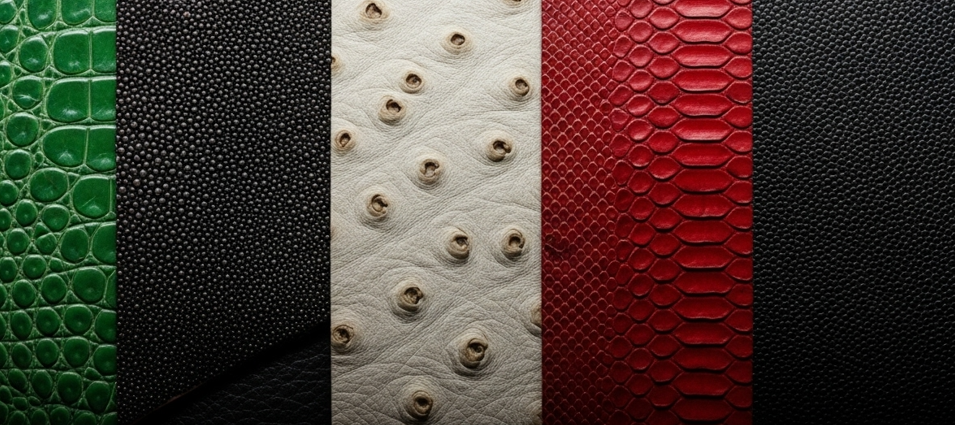
In the rarefied universe of Hermès luxury, Other Exotic Leathers represent some of the most distinctive and sought-after materials in haute maroquinerie. While crocodile and alligator often steal the spotlight, these exceptional alternatives offer connoisseurs unique textures, remarkable durability, and an unmistakable presence that sets them apart from both traditional exotics and classic leathers. From the instantly recognizable quill pattern of ostrich to the rugged sophistication of buffalo, these materials showcase Hermès’ commitment to sourcing and crafting the world’s finest leathers.
History and Heritage of Alternative Exotic Materials
The story of Other Exotic Leathers at Hermès begins with the maison’s perpetual quest for exceptional materials that could satisfy their most discerning clientele. In the 1980s and 1990s, as the luxury market evolved and collectors sought increasingly unique pieces, Hermès expanded their exotic offerings beyond the traditional reptilian skins. This expansion wasn’t merely about variety; it represented a philosophical commitment to exploring the full spectrum of nature’s finest materials while maintaining ethical sourcing practices and sustainable harvesting methods.
Ostrich leather, perhaps the most recognized among Other Exotic Leathers, made its debut in Hermès collections during the late 20th century. Sourced primarily from specialized farms in South Africa, ostrich quickly became a favorite among those who appreciated its distinctive quill pattern and surprising durability. The material’s natural oils provide inherent water resistance, making it more practical than many might expect from such an exotic option. The introduction of ostrich leather coincided with a broader movement in luxury goods toward materials that combined exclusivity with functionality.
Buffalo leather entered the Hermès repertoire as a response to clients seeking exotic materials with enhanced durability. Unlike the delicate nature of some Lizard Varieties, buffalo offers robust performance characteristics while maintaining an exotic appeal. The development of Buffalo Dalmatian, with its distinctive spotted pattern, showcased Hermès’ ability to innovate within traditional categories, creating variations that became instant classics among collectors.
Throughout the decades, Other Exotic Leathers have played a crucial role in special orders and limited editions. The maison’s artisans developed specific techniques for working with each material, from the careful stretching required for ostrich to the specialized edge painting used on buffalo. These techniques, passed down through generations of craftspeople, ensure that each piece maintains the exceptional quality standards that define Hermès.
The evolution of Other Exotic Leathers reflects broader changes in luxury consumption patterns. As sustainability and ethical sourcing became paramount concerns, Hermès adapted their procurement practices, working exclusively with certified suppliers who meet stringent environmental and ethical standards. This commitment extends to every aspect of production, from the initial sourcing to the final quality control, ensuring that these extraordinary materials meet both aesthetic and ethical expectations.
Comprehensive Characteristics of Distinctive Exotic Materials
The defining characteristics of Other Exotic Leathers set them apart from both traditional exotics and standard leathers in remarkable ways. Ostrich leather, the crown jewel of this category, features unmistakable quill follicles that create a three-dimensional texture unlike anything else in the Hermès collection. These raised bumps, where feathers once grew, are not merely decorative; they represent the leather’s authenticity and quality. The pattern varies naturally across the hide, with the most prized sections displaying uniform, prominent quills that catch light beautifully and create visual depth that photographs cannot fully capture.
The tactile experience of Other Exotic Leathers offers sensory richness that distinguishes them from smoother options like Hermès Swift Leather. Ostrich combines softness with structure, feeling supple to the touch while maintaining excellent shape retention. The leather’s natural oils contribute to its distinctive hand-feel, creating a surface that becomes more lustrous with use rather than deteriorating. This characteristic makes ostrich particularly appealing for frequently used pieces, as the material actually improves with age when properly maintained.
Buffalo leather presents entirely different characteristics within the Other Exotic Leathers category. Its grain pattern is deeper and more pronounced than standard cow leathers, with natural variations that give each piece unique character. The leather’s thickness provides exceptional durability, making it ideal for bags that will see heavy use. Buffalo’s water resistance surpasses many other exotic options, offering practical advantages for those who refuse to let weather dictate their accessory choices. The material’s robust nature doesn’t compromise its luxury appeal; instead, it adds a rugged sophistication that appeals to those seeking understated elegance.
The aging process of Other Exotic Leathers differs significantly from traditional materials. Ostrich develops a distinctive patina that enhances its natural luster without losing its characteristic texture. The quill bumps may soften slightly over time, but they never disappear, maintaining the leather’s exotic appeal throughout its lifetime. Buffalo leather ages more dramatically, developing rich color variations and a worn-in character that many collectors specifically seek. This evolution adds to the narrative of each piece, creating bags that tell their own stories through their changing appearance.
Weight considerations play an important role in understanding Other Exotic Leathers. Ostrich, despite its exotic status, is surprisingly lightweight compared to Crocodile Varieties, making it an excellent choice for larger bag styles where weight might otherwise be a concern. Buffalo, conversely, has substantial heft that contributes to the luxurious feel of smaller pieces like wallets and card holders. This weight difference influences not only the carrying experience but also the way bags drape and move with the body.
Color absorption and retention in Other Exotic Leathers present unique opportunities and challenges. Ostrich accepts dye exceptionally well, allowing for vibrant colors that maintain their intensity over time. The raised quill pattern creates subtle color variations as light plays across the surface, adding dimensional interest to even solid-colored pieces. Buffalo leather typically appears in more muted tones, with the natural grain pattern creating organic color variations that enhance rather than detract from the overall appearance.
Manufacturing Excellence and Craftsmanship Standards
The journey of Other Exotic Leathers from raw material to finished Hermès product represents one of the most complex and refined processes in luxury manufacturing. Ostrich farming for leather production requires specialized knowledge and facilities, primarily concentrated in South Africa’s Klein Karoo region, where climate conditions and expertise combine to produce the world’s finest ostrich skins. The birds are raised specifically for leather production, with every aspect of their care designed to ensure optimal skin quality. This includes controlled diet, stress minimization, and careful handling throughout their lifecycle.
The selection process for Other Exotic Leathers exceeds even the stringent standards applied to traditional materials. Each ostrich skin undergoes multiple inspections, with only the finest specimens meeting Hermès requirements. Inspectors examine quill pattern uniformity, skin thickness consistency, and the absence of any scarring or imperfections that might compromise the final product’s appearance. This selection process means that only a small percentage of available skins qualify for use in Hermès products, contributing to the materials’ exclusivity and value.
Tanning processes for Other Exotic Leathers require specialized expertise distinct from methods used for Hermès Togo Leather or other standard materials. Ostrich leather undergoes a complex chrome tanning process that preserves the distinctive quill pattern while ensuring suppleness and durability. The process takes several weeks, with multiple stages of treatment, dyeing, and finishing. Each stage requires precise timing and temperature control, as variations can affect the final texture and appearance. The tanning process also incorporates treatments that enhance the leather’s natural water resistance and prevent the quills from flattening over time.
Buffalo leather processing presents different challenges within the Other Exotic Leathers category. The material’s natural thickness requires extended tanning times and specialized equipment capable of handling heavier hides. The grain pattern must be preserved while achieving the suppleness necessary for luxury goods production. Hermès works with select tanneries that have perfected techniques specifically for buffalo, ensuring consistency across different hides while maintaining each piece’s individual character.
The cutting and pattern-making stage for Other Exotic Leathers demands exceptional skill and experience. Ostrich leather’s quill pattern must be carefully positioned to create visual harmony across the finished piece. Artisans study each skin individually, planning cuts to maximize both beauty and efficiency. The most prominent and uniform quill sections are reserved for bag bodies, while areas with smaller or irregular quills might be used for interior components or smaller accessories. This strategic approach ensures that every piece showcases the material’s best qualities while minimizing waste.
Hermès Bag Models in Alternative Exotic Materials
The application of Other Exotic Leathers across Hermès bag models reveals how different materials can transform familiar silhouettes into extraordinary pieces. The Birkin bag in ostrich leather represents one of the most coveted combinations in the luxury handbag world. The structured nature of the Birkin perfectly showcases ostrich’s dimensional quill pattern, with the bag’s flat surfaces providing an ideal canvas for the material’s natural beauty. The 30cm and 35cm sizes are particularly popular in ostrich, as these dimensions allow for optimal quill display without overwhelming the design. The contrast between the raised quills and smooth handles creates visual interest that photographs cannot fully capture, making these pieces even more impressive in person.
Kelly bags in Other Exotic Leathers offer a different aesthetic experience compared to versions in Hermès Epsom Leather. The Kelly’s more formal structure combined with ostrich leather creates an intriguing juxtaposition of exotic texture and classic elegance. The Retourne construction in ostrich provides a softer silhouette that emphasizes the leather’s natural suppleness, while Sellier construction creates crisp lines that frame the quill pattern dramatically. The single handle and shoulder strap in smooth leather provide textural contrast that enhances the overall design sophistication.
The Constance bag showcases how Other Exotic Leathers can elevate smaller formats. In ostrich, the Constance’s clean lines and prominent H closure create a perfect frame for the exotic texture. The bag’s flat front provides an uninterrupted surface for displaying the quill pattern, while the adjustable strap offers versatility in wear. Buffalo leather Constance bags offer a more understated exotic option, with the material’s rugged elegance particularly suited to casual luxury styling. The weight of buffalo actually benefits the Constance design, helping the bag maintain its shape and hang properly when worn cross-body.
Garden Party totes in Other Exotic Leathers represent a bold choice that transforms this typically casual style into something extraordinary. Ostrich Garden Party bags combine practicality with exotic luxury, offering spacious interiors while making a distinctive style statement. The open-top design means the interior leather is visible, requiring consistent quality throughout the construction. Buffalo Garden Party totes provide exceptional durability for daily use while maintaining exotic appeal, making them popular among those who want luxury without sacrificing functionality.
Smaller leather goods in Other Exotic Leathers deserve special attention within the Hermès collection. Ostrich wallets and card holders allow collectors to experience these exceptional materials at more accessible price points. The compact format concentrates the visual impact of the quill pattern, creating pieces that make strong statements despite their small size. Buffalo accessories offer practical advantages, with the material’s durability making it ideal for frequently handled items like wallets and agenda covers. These pieces often serve as entry points for collectors interested in exploring beyond standard Exotic Leather options.
Limited edition and special order pieces in Other Exotic Leathers represent the pinnacle of Hermès craftsmanship. The atelier’s ability to combine different exotic materials, such as ostrich bodies with buffalo trim, showcases technical mastery while creating truly unique pieces. These combinations require extensive planning and expertise, as different materials may require different construction techniques and finishing processes. The result is pieces that exist at the intersection of traditional craft and innovative design, appealing to collectors seeking the ultimate in exclusivity.
Color Palette and Seasonal Offerings
The color story of Other Exotic Leathers unfolds differently than with traditional materials, offering unique opportunities for expression and collecting. Ostrich leather’s exceptional dye absorption allows for colors that seem to glow from within, with the raised quill pattern creating natural highlights and shadows that add depth to any shade. Classic neutrals like Noir, Étoupe, and Gris Tourterelle take on new dimensions in ostrich, with the texture adding visual interest to otherwise understated colors. These neutral tones remain perpetually popular, offering versatility while showcasing the material’s exotic nature.
Vibrant colors in Other Exotic Leathers create particularly striking effects. Rose Shocking ostrich became legendary among collectors for its bold pink hue enhanced by the dimensional quill pattern. Blue Electric, Vert Véronèse, and Orange Poppy showcase how exotic textures can amplify color impact, creating pieces that command attention in any setting. These bold choices appeal to collectors who view their bags as wearable art, using color and texture to make powerful style statements.
Seasonal color releases in Other Exotic Leathers often become instant classics, with limited availability driving immediate demand. Unlike Hermès Clemence Leather which appears regularly in seasonal colors, exotic materials may only appear in certain shades once, creating urgency among collectors. The combination of rare materials with limited-edition colors produces pieces that appreciate significantly in value, particularly when the color proves popular but isn’t repeated in subsequent seasons.
Hardware choices for Other Exotic Leathers require careful consideration to balance the material’s inherent drama. Gold hardware remains the classic choice for ostrich, with the warm metal tone complementing the leather’s natural luster. Palladium hardware offers a modern alternative, particularly striking with cooler-toned colors like Bleu Glacier or Gris Perle. Rose gold hardware, when available, creates an especially luxurious effect with neutral ostrich tones, adding warmth without overwhelming the material’s natural beauty.
Care and Maintenance of Premium Exotic Materials
Maintaining Other Exotic Leathers requires specialized knowledge and techniques that differ significantly from standard leather care. Ostrich leather’s unique structure, with its raised quill bumps, creates particular challenges and opportunities in maintenance. The quills must be protected from flattening while the spaces between them require careful cleaning to prevent dust accumulation. Regular light brushing with a soft-bristled brush designed specifically for exotic leathers helps maintain the texture’s prominence while removing surface dust. This routine maintenance prevents the buildup that can dull the leather’s natural luster over time.
The moisture management of Other Exotic Leathers proves crucial for long-term preservation. While ostrich leather contains natural oils that provide some water resistance, exposure to excessive moisture can cause quills to lose their definition. Unlike Hermès Fjord Leather, which handles moisture well, ostrich requires immediate attention if exposed to rain or spills. Blotting—never rubbing—with a clean, absorbent cloth removes excess moisture without damaging the quill structure. Following any moisture exposure, bags should be allowed to dry naturally at room temperature, away from direct heat sources that could cause cracking or warping.
Buffalo leather within the Other Exotic Leathers category requires different care approaches. Its robust nature allows for slightly more aggressive cleaning when necessary, though gentle methods remain preferable. The deep grain pattern can trap dirt more readily than smoother leathers, necessitating regular cleaning to maintain appearance. A slightly damp cloth can be used for cleaning buffalo, followed by conditioning with products specifically formulated for exotic leathers. This process helps maintain the leather’s suppleness while preserving its distinctive grain pattern.
Storage considerations for Other Exotic Leathers extend beyond standard practices. Ostrich leather bags must be stored in a way that prevents pressure on the quills, which could cause permanent flattening. Stuffing bags with acid-free tissue paper maintains shape while avoiding quill compression. Dust bags should be loosely fitted rather than tight, allowing air circulation while protecting from dust. Climate-controlled storage environments benefit all exotic leathers, with stable temperature and humidity levels preventing the expansion and contraction that can stress the material over time.
Professional maintenance services for Other Exotic Leathers should be sought from specialists experienced with these specific materials. Hermès spa services understand the unique requirements of each exotic leather, employing techniques that restore beauty without compromising structure. These services become particularly valuable for vintage pieces or bags showing signs of wear, as improper restoration attempts can cause irreversible damage. The investment in professional care pays dividends in maintained value and extended lifespan.
Comparative Analysis with Other Hermès Leathers
Understanding how Other Exotic Leathers compare to different Hermès options helps collectors make informed decisions based on lifestyle and preferences. When compared to Alligator Varieties, ostrich offers several practical advantages despite being equally exotic. Ostrich leather’s flexibility and durability exceed that of alligator, making it more suitable for daily use. The quill pattern, while distinctive, integrates more easily into casual settings than alligator’s formal scales. Additionally, ostrich leather’s lighter weight makes it preferable for larger bag formats where alligator might become cumbersome.
The comparison between Other Exotic Leathers and popular options like Hermès Taurillon Clemence Leather reveals interesting contrasts. While Taurillon Clemence offers excellent durability and a casual aesthetic, ostrich provides similar durability with added exotic appeal. The textural difference is substantial—Clemence’s flat grain versus ostrich’s three-dimensional quills creates entirely different visual and tactile experiences. Price points differ significantly, with exotic options commanding premium prices that reflect their rarity and processing complexity.
Within the Other Exotic Leathers category itself, ostrich and buffalo serve different purposes in a collection. Ostrich makes a statement through texture and exotic appeal, suitable for special occasions and collectors seeking distinctive pieces. Buffalo offers understated luxury with superior durability, appealing to those who want exotic materials without ostentation. The choice between them often depends on personal style preferences and intended use patterns.
Maintenance requirements across different leather types influence long-term ownership experiences. Other Exotic Leathers generally require more careful maintenance than sturdy options like Hermès Epsom Leather but less intensive care than delicate materials like Hermès Chèvre Mysore Leather. This middle ground makes them attractive to collectors who want exotic materials without extreme maintenance demands. The natural resilience of both ostrich and buffalo means they can withstand regular use with appropriate care, unlike some exotic materials reserved primarily for special occasions.
Value retention comparisons favor Other Exotic Leathers strongly, particularly in rare colors or limited editions. While all Hermès leathers maintain value well, exotic materials typically appreciate more dramatically. Ostrich pieces in discontinued colors can command multiples of their original retail prices, similar to rare crocodile pieces but often with better availability in the secondary market. This combination of exotic status and relative accessibility makes them attractive investment pieces.
Investment Value and Market Dynamics
The investment potential of Other Exotic Leathers continues to strengthen as collectors increasingly recognize their unique position in the luxury market. Ostrich leather pieces have demonstrated consistent appreciation, particularly in classic styles like Birkin and Kelly bags. The material’s combination of exotic status and practical durability creates sustained demand across different collector segments. Unlike some exotic materials that appeal primarily to seasoned collectors, ostrich attracts both newcomers seeking their first exotic piece and established collectors building comprehensive collections.
Market dynamics for Other Exotic Leathers reflect broader trends in luxury consumption. The growing emphasis on unique, artisanal products favors materials that offer distinctive characteristics not replicable in mass production. Ostrich leather’s natural quill pattern ensures that no two pieces are identical, appealing to consumers seeking individuality in their luxury purchases. This uniqueness factor becomes particularly valuable in an era where personal expression through fashion choices gains increasing importance.
Secondary market performance of Other Exotic Leathers provides compelling evidence of their investment value. Vintage ostrich pieces from the 1990s and early 2000s now trade at significant premiums, particularly in rare colors or discontinued styles. The material’s durability means that well-maintained vintage pieces remain highly functional, unlike some delicate materials that may show significant wear. This combination of aesthetic appeal and practical longevity supports strong secondary market values.
Regional preferences influence demand patterns for Other Exotic Leathers differently than for materials like Hermès Niloticus Crocodile Leather. Asian markets show strong preference for ostrich in bright colors, while European collectors often favor neutral tones that showcase the material’s texture. American markets demonstrate balanced demand across the color spectrum, with particular interest in pieces that combine exotic materials with practical sizes and styles. Understanding these regional dynamics helps predict future value trends and availability patterns.
The authentication factor adds another dimension to the investment value of Other Exotic Leathers. The distinctive characteristics of ostrich and buffalo make authentication relatively straightforward compared to some smooth leathers, providing confidence to secondary market buyers. This authentication ease supports market liquidity, as buyers feel more confident purchasing pre-owned exotic pieces. The clear markers of authenticity also help maintain value by reducing the impact of counterfeit goods on market perception.
Authentication and Quality Verification
Authenticating Other Exotic Leathers requires understanding the unique characteristics that distinguish genuine Hermès pieces from imitations. Ostrich leather presents specific authentication points through its quill pattern, which should display natural irregularity within overall uniformity. Genuine ostrich quills have a distinctive crown shape with a natural depression in the center, unlike synthetic imitations that often appear uniformly rounded. The pattern should flow organically across the leather surface, with size variations that reflect the natural anatomy of the bird.
The authentication of buffalo leather within Other Exotic Leathers focuses on grain pattern and leather quality. Genuine buffalo displays deep, irregular grain that cannot be perfectly replicated through embossing on cow leather. The material’s thickness and weight provide additional authentication clues, as buffalo has a distinctive heft that experienced authenticators recognize immediately. The edges of buffalo leather pieces should show the material’s natural density, unlike layered or bonded leathers sometimes used in counterfeits.
Hardware and construction details provide crucial authentication evidence for Other Exotic Leathers pieces. The attachment points where hardware meets exotic leather require specialized techniques that counterfeiters often struggle to replicate. Genuine Hermès pieces show perfect alignment between quill patterns and hardware placement, demonstrating the careful planning that goes into each piece’s construction. The quality of edge painting, particularly important with thicker materials like buffalo, offers another authentication point that distinguishes genuine pieces.
Date stamps and craftsman marks in Other Exotic Leathers pieces follow standard Hermès protocols but may show variations due to the materials’ unique characteristics. The stamping pressure must be adjusted for different leather types, creating subtle differences in impression depth and clarity. Understanding these material-specific variations helps distinguish genuine stamps from counterfeits that may appear too uniform or deeply impressed. Authentication experts familiar with exotic materials can identify these nuances that might escape casual observation.
Styling and Wardrobe Integration
Incorporating Other Exotic Leathers into a wardrobe requires thoughtful consideration of their distinctive characteristics and visual impact. Ostrich leather pieces work surprisingly well in both casual and formal settings, with their textural interest adding sophistication to simple outfits while complementing elegant ensembles. The key lies in understanding how the dimensional quality of ostrich interacts with different fabrics and styles. Smooth, minimalist clothing provides an ideal backdrop that allows the leather’s texture to star, while busy patterns might compete for visual attention.
Seasonal styling of Other Exotic Leathers offers creative opportunities throughout the year. Ostrich leather’s natural luster pairs beautifully with summer linens and lightweight fabrics, adding luxury to resort wear without appearing heavy or inappropriate for warm weather. In autumn and winter, the material’s texture complements rich fabrics like cashmere and wool, creating sophisticated layered looks. Buffalo leather’s rugged elegance makes it particularly suitable for transitional seasons, bridging the gap between casual and formal dressing.
The versatility of Other Exotic Leathers extends beyond traditional luxury styling. Contemporary fashion embraces the juxtaposition of exotic materials with casual elements, such as pairing an ostrich Birkin with denim and a white shirt for elevated casual chic. This mixing of high and low elements reflects modern luxury consumption patterns, where exclusivity combines with accessibility to create personal style statements. The key is confidence in wearing these exceptional pieces as part of daily life rather than reserving them for special occasions.
Conclusion: The Enduring Appeal of Distinctive Exotic Materials
Other Exotic Leathers represent a fascinating chapter in the Hermès story, offering collectors and enthusiasts materials that combine exotic appeal with practical functionality. From ostrich’s distinctive quill pattern to buffalo’s rugged sophistication, these leathers provide alternatives to traditional exotics that don’t compromise on luxury or exclusivity. Their position in the Hermès hierarchy reflects their unique ability to bridge different collecting philosophies, appealing equally to those seeking statement pieces and those prioritizing durability and versatility.
The future of Other Exotic Leathers looks particularly bright as sustainability and ethical sourcing become increasingly important in luxury consumption. These materials, sourced through established and regulated channels, align with evolving consumer values while maintaining the exclusivity and craftsmanship that define Hermès. As the maison continues to innovate within traditional categories, we can expect to see new treatments and combinations that further expand the possibilities of these exceptional materials.
For those considering their first exotic leather purchase or looking to expand their collections beyond traditional options, Other Exotic Leathers offer compelling advantages. They provide exotic status at generally lower price points than crocodile or alligator, with durability that supports regular use. Whether choosing ostrich for its unmistakable texture or buffalo for its understated luxury, these materials represent investments in both immediate enjoyment and long-term value. As you explore the world of Exotic Leather options, consider how these distinctive materials might enhance your collection and express your personal style philosophy.