
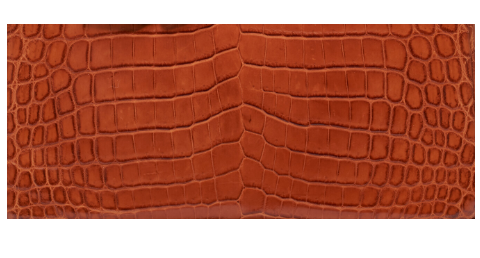
Introduction to Hermès Niloticus Crocodile Leather
The journey from raw skin to finished product involves months of careful preparation, with only the finest specimens meeting Hermès’ exacting standards. This selectivity, combined with increasingly stringent international regulations on exotic skins, makes Hermès Niloticus Crocodile Leather one of the most coveted and valuable materials in the luxury market today. Collectors and connoisseurs recognize these pieces not merely as accessories, but as wearable investments that appreciate in value over time.
History and Heritage of Niloticus Crocodile in Luxury
The relationship between Hermès and exotic skins dates back to the early 20th century, when the maison began experimenting with materials beyond traditional calf and goat leathers. The introduction of Niloticus crocodile leather marked a pivotal moment in this evolution, establishing Hermès as the preeminent authority in exotic skin craftsmanship. The Nile crocodile, native to sub-Saharan Africa and historically revered by ancient civilizations, provided a material that perfectly aligned with Hermès’ pursuit of excellence.
During the 1930s, as international travel became more glamorous and accessible to the elite, Hermès recognized the growing demand for exceptional materials that could withstand various climates while maintaining their luxurious appeal. Niloticus crocodile leather, with its natural water resistance and durability, proved ideal for this purpose. The first Hermès bags crafted in this material were custom orders for discerning clients who understood the rarity and value of such pieces.
The post-war era saw a surge in demand for Hermès Niloticus Crocodile Leather pieces, particularly after Grace Kelly was photographed carrying her now-iconic crocodile Kelly bag. This moment crystallized the material’s association with Hollywood glamour and European sophistication. Throughout the 1960s and 1970s, Hermès refined their techniques for working with Niloticus crocodile, developing proprietary tanning processes that enhanced the leather’s natural beauty while ensuring longevity.
In recent decades, Hermès has pioneered sustainable practices in exotic skin sourcing, working exclusively with farms that meet the highest ethical and environmental standards. This commitment to responsible luxury has only enhanced the prestige of Hermès Niloticus Crocodile Leather. Unlike other Crocodile Varieties, Niloticus has become particularly prized for its consistent quality and the symmetrical beauty of its scales. The implementation of CITES (Convention on International Trade in Endangered Species) regulations has further elevated the status of legally sourced Niloticus crocodile, making authentic Hermès pieces even more valuable to collectors worldwide.
Comprehensive Characteristics of Hermès Niloticus Crocodile Leather
The visual signature of Hermès Niloticus Crocodile Leather is immediately recognizable to those familiar with luxury leathers. The scales present a mesmerizing pattern of rectangular and square shapes that gradually transition in size from the center of the hide to the edges. This natural gradation creates a harmonious visual rhythm that designers at Hermès expertly utilize when cutting patterns for bags. The belly scales, particularly prized for their uniformity and smaller size, typically feature in the most prominent panels of handbags, while the larger lateral scales may be used for sides or interior components.
The texture of Niloticus crocodile is distinctly different from other exotic skins. Each scale possesses a subtle three-dimensional quality, with edges that catch light differently depending on the viewing angle. This creates a dynamic surface that appears to shift and shimmer with movement. When compared to the general Hermès Crocodile Leather category, Niloticus stands out for its particularly fine grain and the consistency of its scale pattern. The leather maintains a firm yet supple hand-feel, providing structure to bags while allowing for the subtle flexibility needed in daily use.
Durability is perhaps one of the most remarkable characteristics of Hermès Niloticus Crocodile Leather. The natural armor-like quality of crocodile skin translates into exceptional resistance to punctures and tears. The dense fiber structure of the dermis provides strength that surpasses many other exotic leathers. However, this durability doesn’t come at the expense of refinement. Hermès’ tanning process ensures that the leather remains surprisingly lightweight, making it practical for everyday luxury use.
The aging process of Niloticus crocodile leather is particularly fascinating. Unlike some materials that deteriorate with time, properly maintained Niloticus crocodile develops a subtle patina that enhances its character. The scales may develop a gentle sheen, and the color may deepen slightly, adding richness and depth to the original hue. This evolution is highly prized among collectors, as it creates a unique personality for each piece that cannot be replicated.
Weather resistance is another notable characteristic, though with important caveats. While Niloticus crocodile naturally repels water to some degree, Hermès strongly advises protecting these precious pieces from direct water exposure. The leather’s response to humidity and temperature changes is generally stable, making it suitable for various climates when properly cared for. This adaptability sets it apart from more delicate options like some varieties found in the Lizard Varieties category.
Manufacturing Excellence: From Skin to Masterpiece
The transformation of raw Niloticus crocodile skin into Hermès Niloticus Crocodile Leather represents one of the most complex and time-intensive processes in luxury goods manufacturing. The journey begins at carefully selected crocodile farms that adhere to strict international standards for animal welfare and environmental sustainability. Hermès maintains long-term partnerships with these facilities, ensuring consistent quality and ethical sourcing practices that align with modern luxury consumers’ values.
Upon arrival at Hermès tanneries, each skin undergoes rigorous inspection. Only approximately 10% of available skins meet the maison’s exacting standards for size, scale pattern, and absence of imperfections. The selected skins then enter a tanning process that can take up to three months. Unlike the processes used for other materials such as Hermès Porosus Crocodile Leather, Niloticus requires specific treatment to preserve its distinctive scale structure while achieving the desired suppleness.
The tanning itself involves multiple stages of treatment with vegetable and mineral compounds, carefully calibrated to penetrate the dense crocodile skin evenly. Master tanners monitor each batch individually, adjusting processes based on the specific characteristics of each skin. This attention to detail ensures that the final leather maintains the perfect balance between structure and flexibility that Hermès demands.
Color application represents another critical phase in creating Hermès Niloticus Crocodile Leather. The dyeing process must penetrate deeply enough to ensure color fastness while preserving the natural texture and sheen of the scales. Hermès has developed proprietary techniques that allow for an extraordinary range of colors, from classic noir and cognac to vibrant seasonal hues. Some colors require multiple applications and specialized finishing treatments to achieve the desired depth and luminosity.
The final stages of preparation involve careful finishing treatments that protect the leather while enhancing its natural beauty. This may include the application of protective coatings that guard against moisture and UV damage without compromising the leather’s breathability or tactile qualities. Each skin is then graded once more, with only the finest examples selected for the most prestigious bag models.
Hermès Bag Models in Niloticus Crocodile
The Birkin bag in Hermès Niloticus Crocodile Leather represents the ultimate expression of casual luxury. Available in sizes from the petite 25cm to the travel-ready 40cm, each size showcases the leather’s scales differently. The 30cm and 35cm Birkins are particularly coveted in Niloticus crocodile, as these dimensions allow for optimal display of the scale gradation across the bag’s front panel. The structured nature of crocodile leather gives these Birkins exceptional shape retention, eliminating the common concern of slouching that can affect bags in softer leathers.
The Kelly bag in Niloticus crocodile embodies timeless elegance with an edge of exotic appeal. The Sellier construction, with its external stitching and rigid structure, particularly suits this leather, creating clean lines that emphasize the geometric beauty of the scales. The Retourne style, while less common in crocodile, offers a softer silhouette that appeals to those seeking a more relaxed interpretation of luxury. Mini Kelly bags in Niloticus crocodile have become especially sought-after, as the small size creates an intense concentration of the leather’s visual impact.
The Constance bag showcases Hermès Niloticus Crocodile Leather in a more contemporary context. The smooth front flap provides an ideal canvas for displaying the leather’s scale pattern, while the signature H closure in precious metal hardware creates a striking contrast. The Constance 18 and 24 sizes are particularly popular in Niloticus crocodile, offering versatility for both day and evening wear. When compared to Constance bags in Hermès Alligator Leather, the Niloticus version often displays more pronounced scale definition.
Smaller leather goods in Niloticus crocodile demonstrate Hermès’ skill in maximizing the material’s impact. The Bearn wallet, with its elongated shape, beautifully displays the linear arrangement of scales. The Calvi card holder and Bastia coin purse offer entry points into the world of exotic leather collecting. These pieces often serve as gateway items for collectors who later graduate to larger investments. The Kelly wallet and Kelly Pochette occupy a middle ground, offering substantial presence without the commitment of a full-sized bag.
Limited edition and special order pieces in Hermès Niloticus Crocodile Leather represent the pinnacle of exclusivity. The Himalaya Niloticus crocodile, with its gradient from smoky grey to pristine white, commands record prices at auction. Combination bags featuring Niloticus crocodile with other materials like Hermès Ostrich Leather or precious metals push the boundaries of luxury craftsmanship. The So Black collection, featuring noir Niloticus crocodile with matching black hardware, has achieved cult status among collectors for its dramatic monochromatic aesthetic.
Color Palette and Hardware Combinations
The color possibilities for Hermès Niloticus Crocodile Leather span an impressive spectrum that showcases both classic refinement and bold creativity. Traditional colors like Noir (black) remain perennial favorites, with the deep black enhancing the textural qualities of the scales while providing unmatched versatility. Cognac and Havane offer warm, rich tones that develop beautiful patinas over time, becoming even more luxurious with age. These classic browns pair exceptionally well with gold hardware, creating a timeless combination that transcends seasonal trends.
Exotic brights in Niloticus crocodile create show-stopping pieces that command attention. Colors like Rose Scheherazade, Vert Emeraude, and Bleu Electrique transform the already dramatic texture into wearable art. The way these vibrant hues interact with the natural variation in the scales creates depth and dimension impossible to achieve in uniform leathers. Hermès’ expertise in dyeing crocodile skin ensures that even the boldest colors maintain sophistication rather than appearing garish.
Neutral tones deserve special mention for their versatility and understated elegance. Gris Tourterelle, Craie, and Beton showcase the leather’s texture without the distraction of bold color, allowing the natural beauty of the scales to take center stage. These colors are particularly popular among collectors who appreciate subtlety and often pair beautifully with both gold and palladium hardware options.
Hardware selection plays a crucial role in the overall aesthetic of Hermès Niloticus Crocodile Leather pieces. Palladium hardware offers a modern, cool-toned complement that works particularly well with grey and blue-toned crocodile. Gold hardware provides warmth and traditional luxury, especially stunning with brown and warm-toned pieces. The rare rose gold hardware option creates an especially luxurious effect with neutral and pink-toned crocodile skins. For the ultimate in exclusivity, diamond-encrusted hardware transforms these pieces into haute joaillerie, though such options are typically available only through special order.
Care and Maintenance of Niloticus Crocodile
Proper care of Hermès Niloticus Crocodile Leather begins with understanding its unique requirements. Unlike the more forgiving Hermès Togo Leather found in many everyday Hermès bags, crocodile leather demands meticulous attention to maintain its pristine condition. Daily care involves gentle dusting with a soft, dry cloth to remove any surface particles that might scratch the scales. The cloth should move in the direction of the scales, never against them, to prevent lifting or damage to the edges.
Protection from moisture is paramount for maintaining Hermès Niloticus Crocodile Leather. While the leather has natural water-resistant properties, prolonged exposure to moisture can cause irreversible damage, including scale lifting and color bleeding. If the leather does get wet, it should be gently patted dry with a soft, absorbent cloth and allowed to air dry naturally away from heat sources. Never use hair dryers or place near radiators, as rapid drying can cause cracking and scale separation.
Conditioning Niloticus crocodile requires specialized products specifically formulated for exotic skins. Generic leather conditioners can damage the delicate finish and alter the leather’s appearance. Hermès recommends professional conditioning services performed by their craftsmen, who use proprietary products designed to nourish the leather without compromising its structure or finish. This professional service, typically recommended annually or bi-annually depending on use, helps maintain the leather’s suppleness and prevents drying that can lead to cracking.
Storage considerations for Hermès Niloticus Crocodile Leather pieces are crucial for long-term preservation. Bags should be stored in their original dust bags and boxes, stuffed with acid-free tissue paper to maintain shape. The storage environment should be climate-controlled, avoiding extremes of temperature and humidity. Unlike some materials in the Classic Main Leathers category that can tolerate varied storage conditions, crocodile leather requires consistent environmental conditions to prevent scale lifting or cracking.
Professional restoration services through Hermès spa treatments can address wear and minor damage to Niloticus crocodile pieces. These services include deep cleaning, reconditioning, color touch-ups, and hardware replacement. The investment in professional maintenance is worthwhile, as it preserves both the aesthetic appeal and monetary value of these exceptional pieces. Many collectors schedule annual spa treatments as preventive maintenance, ensuring their investments remain in optimal condition.
Comparisons with Other Hermès Leathers
When comparing Hermès Niloticus Crocodile Leather to other exotic options, the distinctions become particularly pronounced. Against Hermès Mississippiensis Alligator Leather, Niloticus crocodile displays a more uniform scale pattern with rectangular scales that create a more geometric appearance. Alligator leather typically features a more varied scale pattern with round and oval shapes mixed with rectangular ones, creating a more organic, less structured appearance. While both are highly prized, Niloticus often commands higher prices due to its perceived superior uniformity and the larger size of usable skin area.
The comparison with Hermès Caiman Crocodile Leather reveals significant differences in both quality and application. Caiman, while still exotic, lacks the suppleness and scale definition of true Niloticus crocodile. The calcium deposits in caiman skin create a harder, less flexible leather that doesn’t age as gracefully. Niloticus crocodile’s superior fiber structure allows for better dye absorption and retention, resulting in richer, more consistent colors that maintain their vibrancy over time.
Against Porosus crocodile, often considered Niloticus’ closest rival, the differences are subtle but significant to connoisseurs. Porosus, sourced from saltwater crocodiles, typically features smaller, more densely packed scales that create an almost pebbly texture. Niloticus, with its larger, more defined scales, offers a bolder visual statement. The choice between the two often comes down to personal preference, though Niloticus is generally more available and thus offers a wider range of color and style options.
When compared to non-exotic options from Hermès’ regular leather collection, the differences are even more pronounced. Classic leathers like Clemence or Togo offer durability and everyday practicality that exotic skins cannot match in terms of worry-free use. However, Hermès Niloticus Crocodile Leather provides an incomparable level of luxury and exclusivity. The visual impact of crocodile scales creates a presence that even the finest calf leathers cannot replicate, justifying the significant price premium for those seeking the ultimate in luxury leather goods.
The comparison with other exotic materials like Hermès Lizard Leather highlights the hierarchy within exotic skins. While lizard offers its own delicate beauty with tiny, uniform scales, it lacks the durability and presence of Niloticus crocodile. Lizard is more susceptible to water damage and requires even more careful handling, making Niloticus crocodile a more practical choice for those seeking exotic luxury with relative durability.
Investment Value and Market Dynamics
The investment potential of Hermès Niloticus Crocodile Leather pieces has consistently outperformed traditional luxury investments and even many financial instruments. Historical data from major auction houses reveals that Niloticus crocodile Birkin and Kelly bags have appreciated at rates exceeding 14% annually over the past two decades, with certain rare combinations achieving even more spectacular returns. This appreciation stems from the perfect storm of limited supply, increasing global wealth, and growing appreciation for tangible luxury assets.
Rarity plays a fundamental role in driving values for Hermès Niloticus Crocodile Leather pieces. With CITES regulations becoming increasingly stringent and Hermès maintaining strict quotas on exotic skin production, the supply of new pieces remains extremely limited. Boutiques typically receive only a handful of crocodile pieces annually, with most allocated to established clients with significant purchase histories. This scarcity in the primary market drives robust demand in the secondary market, where pieces often trade at substantial premiums to their original retail prices.
Market preferences significantly impact values, with certain combinations achieving premium status among collectors. Niloticus crocodile in classic colors with gold hardware typically offers the most stable appreciation, appealing to conservative collectors. However, unusual colors or limited edition pieces can achieve explosive value growth, particularly if associated with special collections or collaborations. The size of the piece also affects investment potential, with 25cm and 30cm Birkins in Niloticus crocodile currently commanding the highest premiums relative to their original prices.
Authentication and provenance have become increasingly critical factors in determining investment value. Complete documentation, including original receipts, CITES certificates, and authentication from recognized experts, can add 20-30% to a piece’s value. The presence of the original packaging, including boxes, dust bags, and rain covers, also contributes to value retention. Pieces with interesting provenance, such as those from notable collections or with celebrity connections, command significant premiums in the auction market.
Authentication of Hermès Niloticus Crocodile
Authenticating Hermès Niloticus Crocodile Leather requires expertise in recognizing subtle details that distinguish genuine pieces from increasingly sophisticated counterfeits. The first and most crucial indicator is the quality and pattern of the scales themselves. Authentic Niloticus crocodile displays natural variation in scale size and shape, with a logical progression from smaller belly scales to larger lateral scales. Counterfeit pieces often show unnaturally uniform patterns or use stamped leather attempting to mimic genuine crocodile texture.
The Hermès craftsman stamp and date codes provide vital authentication markers. Genuine Niloticus crocodile pieces feature the standard Hermès stamp along with additional exotic skin markings. The carat symbol (^) appears near the Hermès stamp on genuine crocodile pieces, while a double dash (=) indicates Porosus crocodile, helping distinguish between different crocodile types. The clarity and depth of these stamps, along with their precise positioning, offer important authentication clues that experts examine carefully.
Hardware quality and attachment methods serve as critical authentication points for Hermès Niloticus Crocodile Leather pieces. Genuine Hermès hardware exhibits exceptional weight, precise engraving, and flawless plating that doesn’t chip or tarnish. The pearling (the four metal feet on the bottom of bags) should be perfectly aligned and smoothly integrated. Counterfeit pieces often fail in these details, with lightweight hardware, poor engraving quality, or incorrect attachment methods that become apparent upon close inspection.
Styling Hermès Niloticus Crocodile for Modern Luxury
Incorporating Hermès Niloticus Crocodile Leather into contemporary wardrobes requires a delicate balance between showcasing the material’s extraordinary nature and maintaining sophisticated restraint. For daytime elegance, a Niloticus crocodile bag pairs beautifully with understated luxury fabrics like cashmere, fine wool, or silk, allowing the texture of the exotic leather to provide visual interest without overwhelming the ensemble. The key is treating these pieces as the focal point of any outfit, building complementary looks that enhance rather than compete with their presence.
Evening occasions provide the perfect canvas for the full drama of Hermès Niloticus Crocodile Leather. A black Niloticus crocodile clutch or mini Kelly becomes the ultimate accent to formal wear, its scales catching and reflecting light in a way that adds movement and life to evening attire. The material’s inherent glamour means minimal jewelry is needed; the bag itself serves as the primary accessory, making a statement of understated opulence that speaks to true connoisseurship.
Conclusion: The Enduring Legacy of Hermès Niloticus Crocodile
Hermès Niloticus Crocodile Leather stands as a testament to the enduring appeal of exceptional materials combined with unparalleled craftsmanship. In an era of fast fashion and disposable luxury, these pieces represent a commitment to quality, sustainability through longevity, and the preservation of traditional crafts. The journey from the banks of the Nile to the ateliers of Hermès, and ultimately to the arms of discerning collectors, encompasses a tradition of excellence that spans generations.
For those fortunate enough to acquire pieces in Hermès Niloticus Crocodile Leather, the responsibility extends beyond mere ownership to stewardship of these extraordinary creations. Whether viewed as wearable art, investment assets, or family heirlooms, these pieces carry with them the legacy of Hermès’ dedication to perfection. As the availability of exotic skins becomes increasingly restricted and the skills required to work with them become rarer, existing pieces in Niloticus crocodile will only grow in significance and value.
The future of Hermès Niloticus Crocodile Leather remains bright, with the maison’s continued innovation in sustainable sourcing and craftsmanship ensuring that future generations will have the opportunity to experience this pinnacle of luxury leather goods. For those seeking to explore the world of Hermès exotics, understanding the unique qualities of Niloticus crocodile provides essential knowledge for making informed decisions. Whether comparing options within the Alligator Varieties or considering the broader spectrum of exotic materials, Hermès Niloticus Crocodile Leather remains an unparalleled choice for those who demand the very best.