
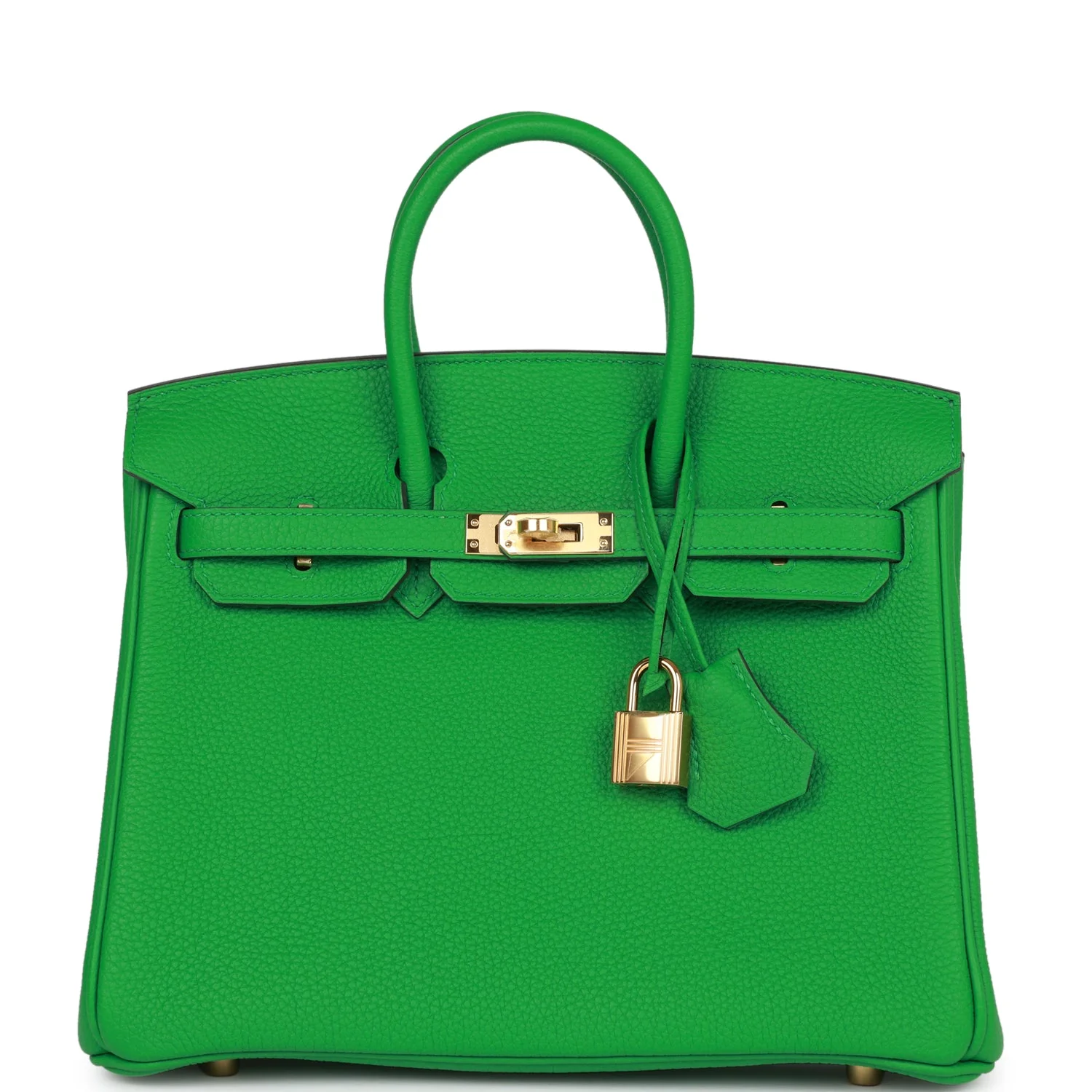
Introduction to Hermès Bambou
Hermès Bambou stands as one of the most vibrantly tropical and expressively dynamic hues in the luxury house’s distinguished color repertoire. This sophisticated, bamboo-inspired shade embodies a captivating botanical narrative—simultaneously referencing the vigorous vitality of Asian bamboo forests and the refined exotic heritage of Eastern natural traditions—creating a color that projects cultivated tropical elegance while maintaining the sublime execution synonymous with the heritage brand. Bambou occupies a distinctive position in the Hermès spectrum—a refined, flora-derived hue with remarkable chromatic energy that draws inspiration from both Eastern botanical significance and contemporary appreciation of tropical aesthetics while embodying the meticulous sophistication expected from this storied maison.
What distinguishes Bambou is its exceptional tropical resonance and botanical vibrancy. Unlike more conventionally green Hermès colors such as the resilient Cactus or the lawn-like Pelouse, Bambou offers a more distinctly energetic quality with substantial chromatic intensity that gives it a sophisticated, almost tropically precise character. This perfectly calibrated color profile allows Bambou to function as both a heritage Eastern statement and a versatile expression of refined botanical vitality—an evocative choice for the Hermès client who values colors with tropical significance and authentic Asian-inspired refinement.
The History of Hermès Bambou Color
Hermès Bambou exists as one of the most precisely referential colors in the brand’s tropical color palette, with its name directly invoking “bamboo” in French, renowned across cultures for its distinctive vitality, spectacular Eastern heritage, and captivating botanical perspectives. The color’s enduring presence reflects Hermès’ connection to global natural heritage and Oriental excellence—maintaining hues that bridge tropical aesthetics and contemporary luxury while adding authentic Asian depth to the brand’s celebration of craftsmanship and sophisticated sensibilities.
The development and preservation of Bambou reflected broader cultural currents that valued authentic connections to Eastern traditions and hues that evoked specific botanical essences rather than abstract color concepts. Color specialists at Hermès have noted that creating Bambou required particularly precise pigment formulation to achieve its characteristic tropical presence with perfect wearability—capturing the specific quality of bamboo plants, the distinctive vitality of Asian heritage, and Eastern botanical traditions with their mixture of tropical luminosity, substantial complexity, and perfect calibration that feels simultaneously vibrant and sophisticated.
As a color with specific botanical and geographical references, Bambou represents Hermès’ thoughtful approach to connecting luxury to authentic Eastern dimensions—creating colors that offer not only aesthetic appeal but also meaningful connections to tropical traditions and Asian heritage. This approach resonates particularly with sophisticated clients who value substantial connections between luxury craftsmanship and colors with genuine botanical depth.
Characteristics of Hermès Bambou Color
Visual Properties
Bambou possesses several distinctive visual characteristics:
- Base Tone: A refined, bamboo-evocative vibrant green with remarkable tropical presence that communicates Eastern heritage with contemporary sophistication
- Undertones: Contains subtle yellow undertones that give it a sophisticated, botanically-derived quality distinct from more conventional greens
- Brightness: Elevated brightness level that ensures vibrant presence with tropical luminosity
- Saturation: Precisely balanced saturation that creates a luxurious color statement while maintaining refined authenticity
- Complexity: Creates an impression of botanical depth and tropical richness, reminiscent of the most distinguished bamboo landscapes and Eastern traditions in sophisticated settings
- Bambou offers tropical plant-inspired vibrant green character distinct from more yellow-influenced greens like Vert Criquet or deeper botanical tones like Cactus.
The color displays fascinating behavior under different lighting environments. In natural daylight, Bambou reveals its complex tropical character most clearly. Under artificial warm lighting, it develops a slightly more intimate quality that enhances its botanical associations, while in cool artificial light, the subtle yellow undertones emerge more prominently, demonstrating the sophisticated precision of its formulation.
How Bambou Appears on Different Leathers
The visual impact of Hermès Bambou varies significantly depending on the leather type:
- Togo Leather: The natural grain of Togo gives Bambou remarkable dimension, with the grain creating subtle variations that enhance its tropical character
- Epsom Leather: On structured Epsom, Bambou appears more uniform and defined, with the embossed grain creating precise light and shadow patterns that emphasize its botanical presence
- Swift Leather: The smooth surface of Swift allows Bambou to express its most luminous character, with a subtle sheen creating sophisticated Eastern references
- Clemence Leather: On the softer Clemence, Bambou takes on a more relaxed yet still vibrant character that enhances its tropical associations
- Box Calf: On classic Box Calf, Bambou achieves perhaps its most refined expression—rich and lustrous with perfect botanical presence
- Exotic Skins: On crocodile or ostrich, Bambou creates spectacular effects that enhance the natural patterning of the skin, creating an intriguing dialogue between the material’s texture and the color’s tropical references
Color Pairings and Versatility
Hermès Bambou offers exceptional versatility due to its tropical character:
- Neutral Companions: Works beautifully with sophisticated neutrals—pure white, charcoal gray, rich cream, espresso brown, and deep black
- Eastern Harmonies: Creates sophisticated combinations with coral pink, imperial yellow, and certain jade tones that reference traditional Asian palettes
- Unexpected Elegance: Pairs surprisingly well with certain magenta tones and subtle brushed gold accents for contemporary expressions
- Hardware Affinity: Particularly elegant with gold hardware, which enhances its tropical character with a warm complement
- Seasonal Flexibility: Functions effectively across seasons, with remarkable spring-summer vibrancy while maintaining year-round appeal
Fashion stylists often note that Bambou functions as a “sophisticated tropical statement” in luxury wardrobes—a color that offers distinctive character and authentic depth while maintaining remarkable versatility. This exceptional quality makes it particularly valuable for investment pieces and accessories that express heritage elegance while offering practical sophistication.
Bambou in Hermès Collections
Popular Hermès Bags in Bambou
Throughout its appearances in Hermès collections, Bambou has graced several iconic bag styles:
- Birkin: On the structured Birkin, Bambou creates a tropical statement that appeals to collectors seeking heritage luxury with vibrant authenticity
- Kelly: The formal structure of the Kelly provides a perfect showcase for Bambou’s botanical character, resulting in a bag that epitomizes tropically vibrant luxury
- Constance: The compact elegance of the Constance particularly complements Bambou’s sophisticated Eastern character
- Lindy: The relaxed structure of the Lindy showcases Bambou’s vibrant depth, particularly with gold hardware
- Picotin: The casual bucket structure of the Picotin creates an intriguing harmony with Bambou’s tropical legacy
Beyond Bags: Bambou in Other Hermès Products
Bambou has appeared across virtually all Hermès product categories:
- Small Leather Goods: Featured in wallets, card cases, and accessories for those seeking tropically vibrant luxury
- Silk Scarves: Particularly effective in printed silk designs, especially those with Eastern and botanical themes
- Ready-to-Wear: Appearing as a statement color in collections focused on vibrant elegance
- Home Collection: Used effectively in decorative objects and textiles, bringing tropical depth to sophisticated interiors
- Shoes and Accessories: Featured as a distinctive color in footwear and belt designs, highlighting the connection between Eastern context and Hermès’ commitment to craftsmanship
Collector Appeal of Hermès Bambou Color
Rarity and Market Value
Bambou occupies a significant position in terms of collector appeal in the Hermès color spectrum. As a distinctive tropical color, it has appeared periodically throughout the brand’s collections, and its perfectly balanced Eastern character maintains its distinctive appeal and vibrant relevance.
Auction houses and luxury resellers report several notable patterns:
- Tropical Connoisseurship: Particularly sought after by collectors with appreciation for Eastern references and heritage luxury
- Sophisticated Investment: Recognized for its particular success in balancing distinctive character with practical versatility
- Leather Affinity: Valued across virtually all leather types, with particular enthusiasm for its appearance on Swift and Togo that enhance its tropical character
- Size Distribution: Appears across all sizes, with particular success in medium formats that showcase its botanical character
- Secondary Market Performance: Demonstrates consistently strong performance in the secondary market, with well-preserved examples commanding premium values due to their distinctive character and vibrant appeal
Authentication Aspects of Bambou
For collectors and authentication experts, Bambou presents specific characteristics that help in verifying authentic Hermès items:
- The color has a distinctive tropical richness and balance that’s difficult to replicate precisely
- Under natural light, authentic Bambou displays subtle variations in tone with sophisticated complexity
- The yellow undertones should be present but balanced, never overwhelming the essential botanical character
- Counterfeit versions often appear too artificial, too flat, or lacking the sophisticated balance of the authentic shade
- The color’s remarkable consistency across different materials demonstrates the brand’s exceptional color control
Caring for Hermès Bambou Leather
Color Preservation
Maintaining the beauty of Bambou requires specific care considerations:
- Light Stability: Demonstrates good stability under normal lighting conditions, though may require protection from prolonged direct sunlight
- Color Transfer: Shows good resistance to transfer issues due to its specific pigmentation profile
- Handling Evidence: May reveal oils or marks from handling more visibly than darker shades, benefiting from regular and attentive care
- Vibrant Character: With proper care, Bambou maintains its distinctive character beautifully over time, often developing a slightly mellowed patina that many collectors particularly prize
- Tropical Evolution: Particularly successful for sophisticated statement pieces, though requiring vigilant maintenance to preserve its botanical clarity
Cleaning and Maintenance
Hermès recommends specific approaches for Bambou items:
- Storage in original Hermès dust bags away from direct sunlight
- Regular gentle cleaning with appropriate leather care products
- Periodic conditioning to maintain leather suppleness without affecting color depth
- Professional Hermès spa treatments for significant cleaning or refreshment needs
- Acceptance of natural patina development as part of the color’s evolution and character
Bambou Compared to Other Hermès Greens
To fully appreciate Bambou, understanding its relationship to other Hermès colors is helpful:
- Vert Anis: Both have vibrant qualities, but Bambou is more tropically exotic while Vert Anis is more herbally botanical
- Menthe: Both have botanical references, but Bambou is more tropically warm while Menthe is more aromatically cool
- Pelouse: Both have natural qualities, but Bambou is more exotically intense while Pelouse is more cultivated measured
- Cactus: Both have plant-derived qualities, but Bambou is more energetically vibrant while Cactus is more resiliently muted
- Vert Benghal: Both have Eastern references, but Bambou is more specifically tropical while Vert Benghal is more broadly exotic
- Vert Vertigo: Both have intensity qualities, but Bambou is more naturally authentic while Vert Vertigo is more dramatically stylized
- Vert Criquet: Both have fresh qualities, but Bambou is more tropically substantial while Vert Criquet is more naturally delicate
- While Bambou provides tropical plant brightness, Vert Bengale offers another exotic green with different regional character.
- For collectors seeking another plant-inspired green with different character, Cactus provides desert plant depth with distinctive presence.
The Cultural Significance of Hermès Bambou Color
Historical and Cultural References
The name “Bambou” refers directly to the Eastern realm and tropical heritage—a designation that connects the color to centuries of botanical significance and natural traditions deeply embedded in Asian cultural identity. This bamboo reference connects the color to traditions of tropical beauty, particularly the sophisticated world of Eastern aesthetics and botanical connoisseurship that has influenced cultural expression throughout history. The distinctive plant-inspired coloration embodies both tropical authenticity and Eastern refinement while maintaining sophisticated historical complexity.
Beyond its bamboo reference, Bambou carries cultural significance in its connection to Hermès’ global heritage, particularly the sophisticated representation of the brand’s appreciation for tropical authenticity and Eastern traditions that captured both their botanical significance and cultural influence throughout history. This dual reference to both specific plant and broader tropical heritage gives Bambou particular depth in the Hermès color library.
In Fashion Context
Bambou represents an important foundation in luxury fashion’s approach to tropical color values and Eastern authenticity. Its enduring presence throughout changing fashion cycles reflects the timeless value sophisticated luxury consumers place on products with botanical resonance and authentic tropical references alongside contemporary craftsmanship.
Fashion historians note that Bambou embodies the concept of “elevated tropical luxury”—the idea that certain colors and aesthetic values could simultaneously reference specific Eastern elements while maintaining sophisticated execution. This perspective reflects enduring patterns in luxury consumption, as clients consistently value products with authentic character and natural color references that celebrate distinctive botanical aesthetics.
Styling Hermès Bambou Color
Personal Styling Recommendations
Fashion experts offer several approaches to incorporating Bambou items:
- Tropical Sophistication: Pairing with other botanically-inspired colors for authentic aesthetically-oriented palettes
- Heritage Investment: Leveraging its distinctive character for pieces intended to make sophisticated statements of Eastern luxury
- Botanical Depth: Using Bambou as a sophisticated statement that adds tropical richness to otherwise neutral ensembles
- Seasonal Adaptation: Particularly effective during spring and summer, though versatile enough to function effectively year-round with appropriate companions
- Authentic Character: Embracing its specific bamboo references for pieces that communicate sophisticated appreciation of Eastern aesthetic sensibilities
Interior Design Crossover
The distinctive quality of Bambou has inspired crossover into sophisticated interior design:
- As a statement color in spaces seeking tropical character with refined execution
- In luxury textiles for accent pieces in Eastern-inspired elegant interiors
- Paired with natural materials like exotic wood, brushed metals, and refined textiles in sophisticated spaces
- In art collections and decorative objects with themes of tropical splendor and botanical heritage
- In spaces that reference Asian luxury and tropically-derived elegance
Bambou in the Context of Hermès Color Evolution
Bambou represents important aspects of Hermès’ ongoing color evolution:
- Tropical Balance: Demonstrates Hermès’ commitment to colors with Eastern references beyond abstract concepts
- Botanical Sophistication: Exemplifies how colors can express vibrant character without sacrificing sophisticated relevance
- Authentic Resonance: Represents the preservation of colors that connect to genuine tropical references
- Perfect Calibration: Connects to Hermès’ appreciation for colors that achieve ideal balance between botanical clarity and sophisticated wearability
- Heritage Continuity: Showcases Hermès’ understanding of colors that maintain their relevance through tropical connection
Conclusion: The Tropical Sophistication of Hermès Bambou Color
Hermès Bambou color exemplifies the brand’s unparalleled ability to create colors that offer both tropical resonance and refined Eastern sophistication. Unlike more conventional or conceptual hues, Bambou evokes a particular botanical quality—the perfect balance of tropical authenticity with sophisticated complexity that connects to Asian heritage while maintaining impeccable execution.
For collectors and connoisseurs, Bambou represents a sophisticated addition to any collection—distinctive enough to communicate heritage elegance, yet vibrant enough to make a confident statement. Its balanced character ensures it brings tropical richness to any ensemble, while its connection to Eastern heritage adds meaningful depth to its aesthetic qualities.
As luxury continues to navigate the balance between innovation and tradition, Bambou stands as evidence of Hermès’ thoughtful approach to creating colors with both visual sophistication and meaningful context. This balance between tropical character and refined execution ensures that Hermès Bambou will continue to captivate discerning collectors who value colors that celebrate Eastern heritage while offering sophisticated functionality in their luxury acquisitions.
Discover more distinctive Hermès botanical greens in our guides to Vert Bengale, Cactus, and Vert Criquet.