
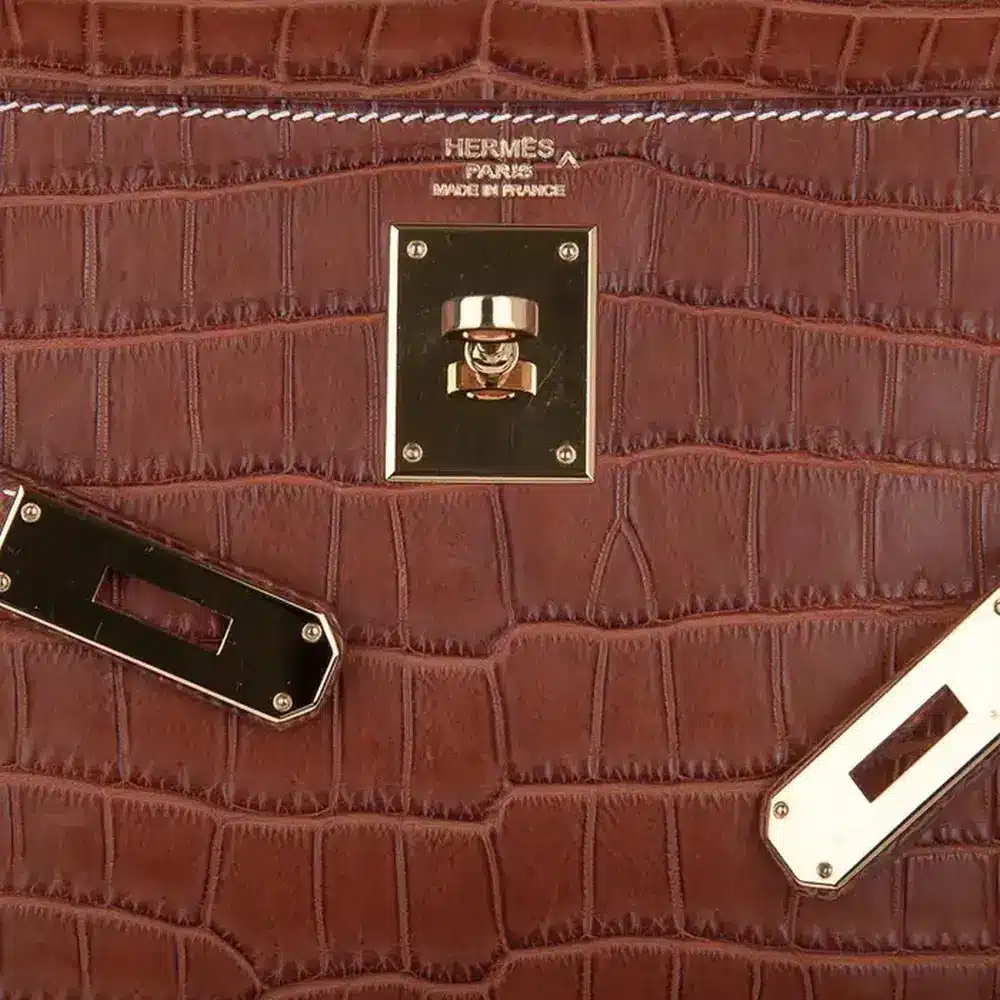

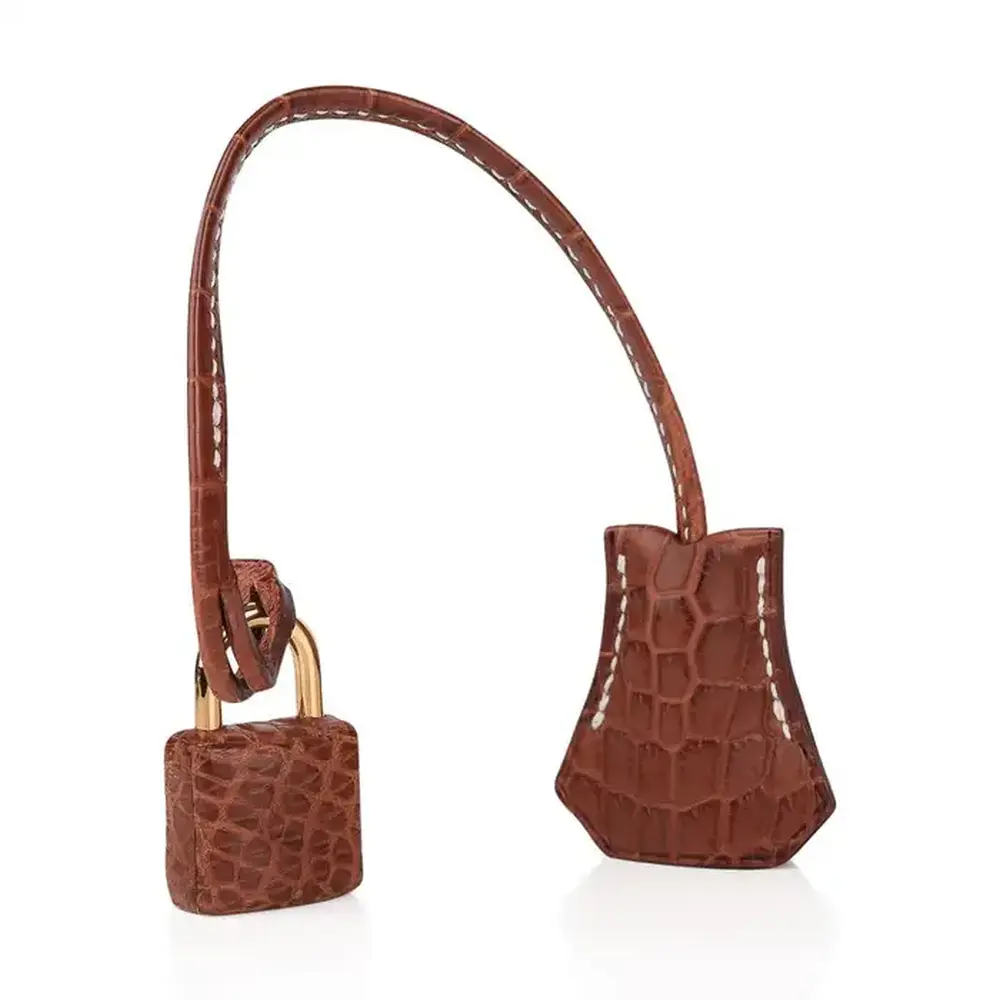
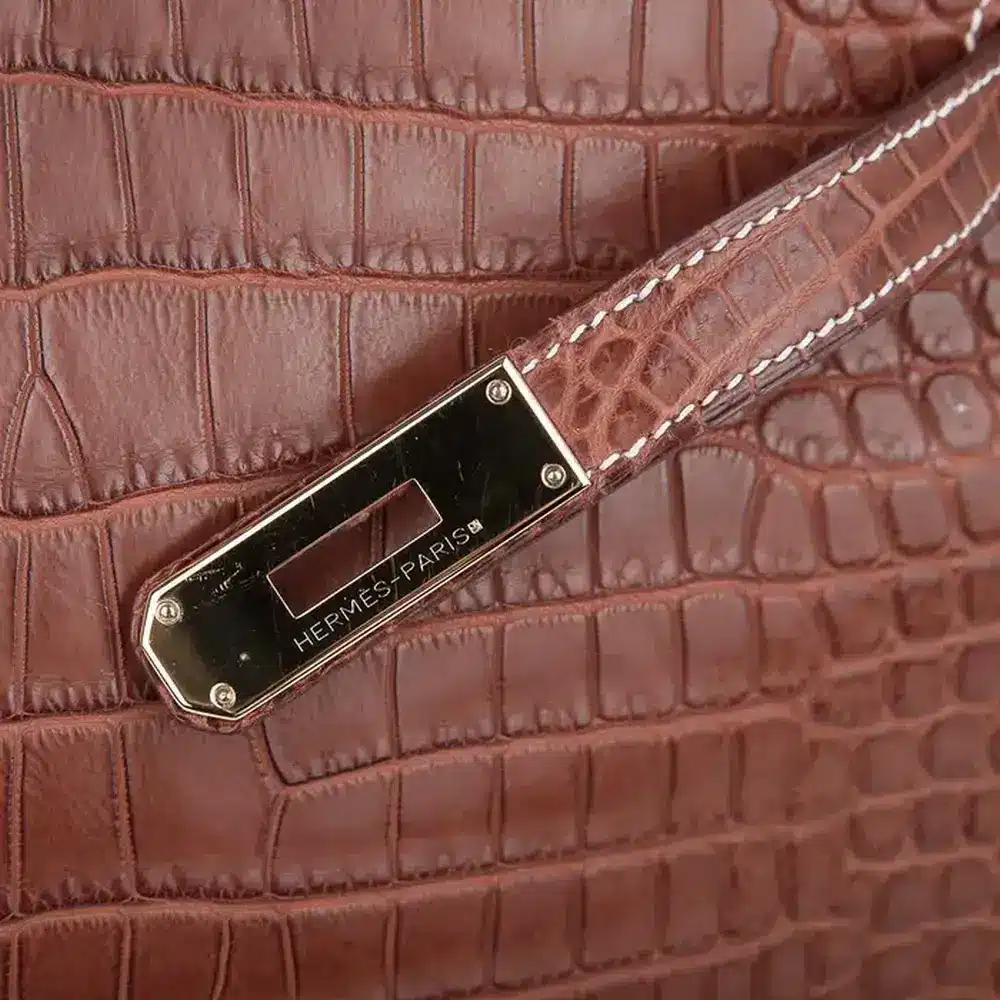


Additional information
| Size | Kelly 32 |
|---|---|
| Color | Fauve Barenia |
| Color Category | Brown |
| Material | Exotic |
| Hardware | Gold |
| Measurements | 32 x 23 x 10.5 cm |
| Product code | 100924779 |

| Size | Kelly 32 |
|---|---|
| Color | Fauve Barenia |
| Color Category | Brown |
| Material | Exotic |
| Hardware | Gold |
| Measurements | 32 x 23 x 10.5 cm |
| Product code | 100924779 |
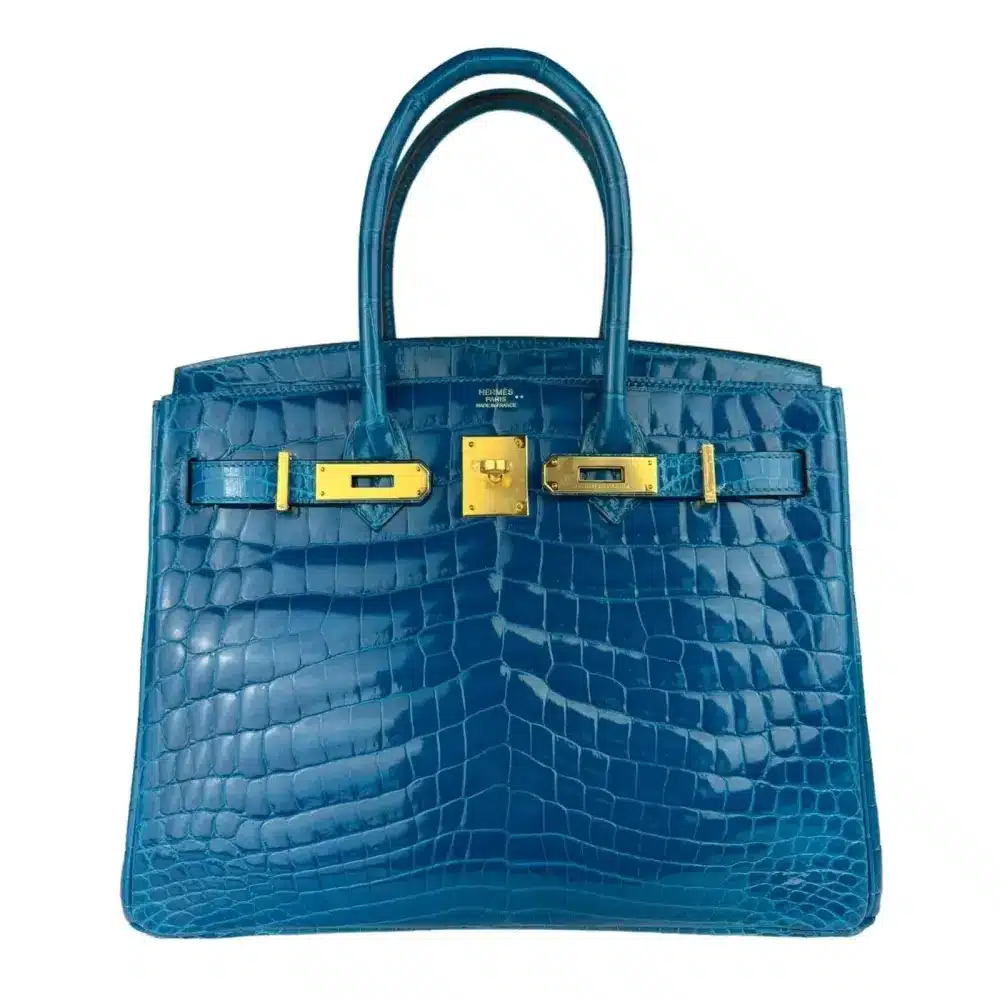
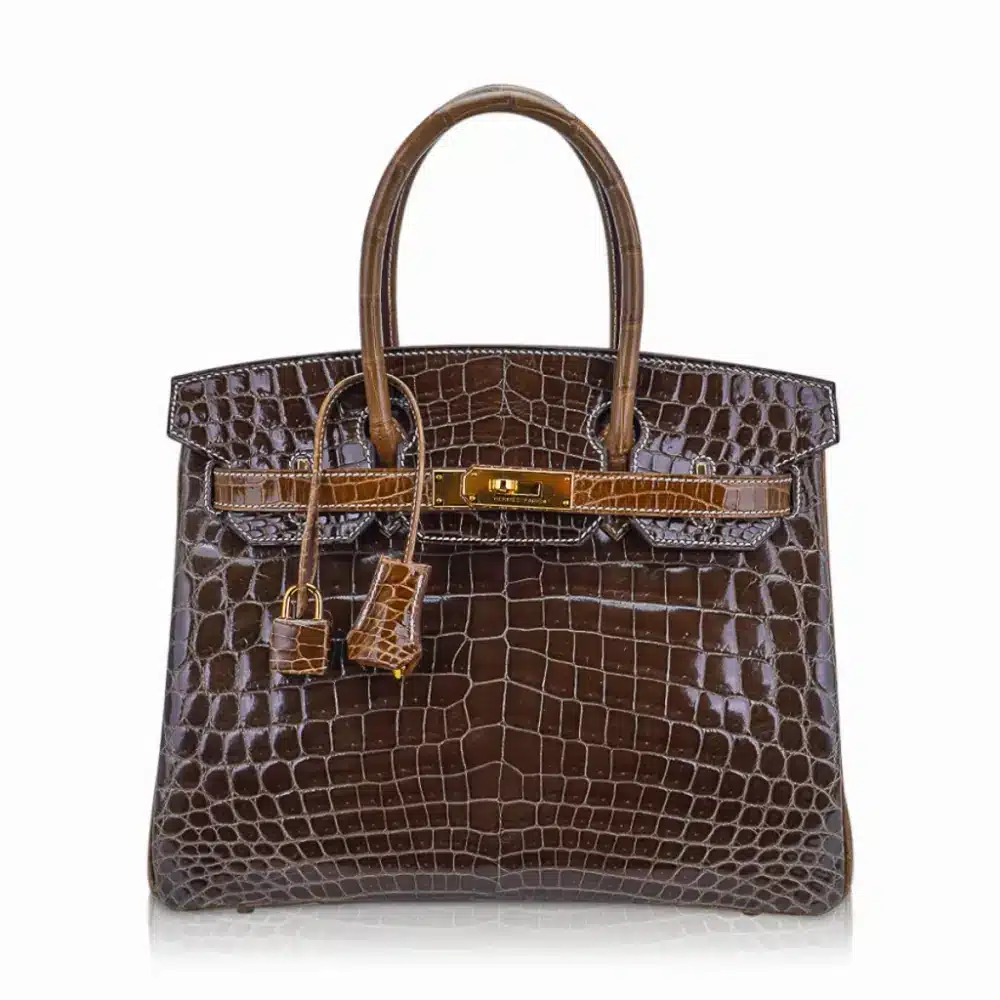
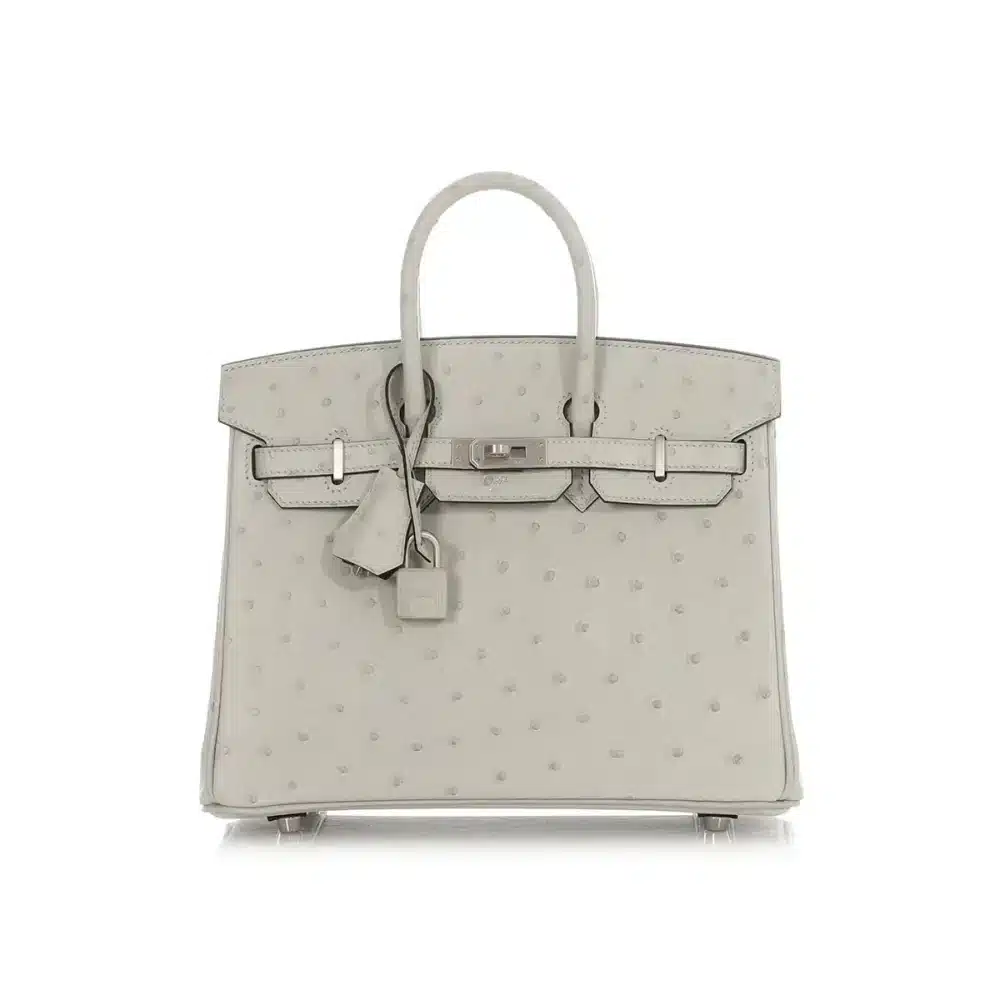
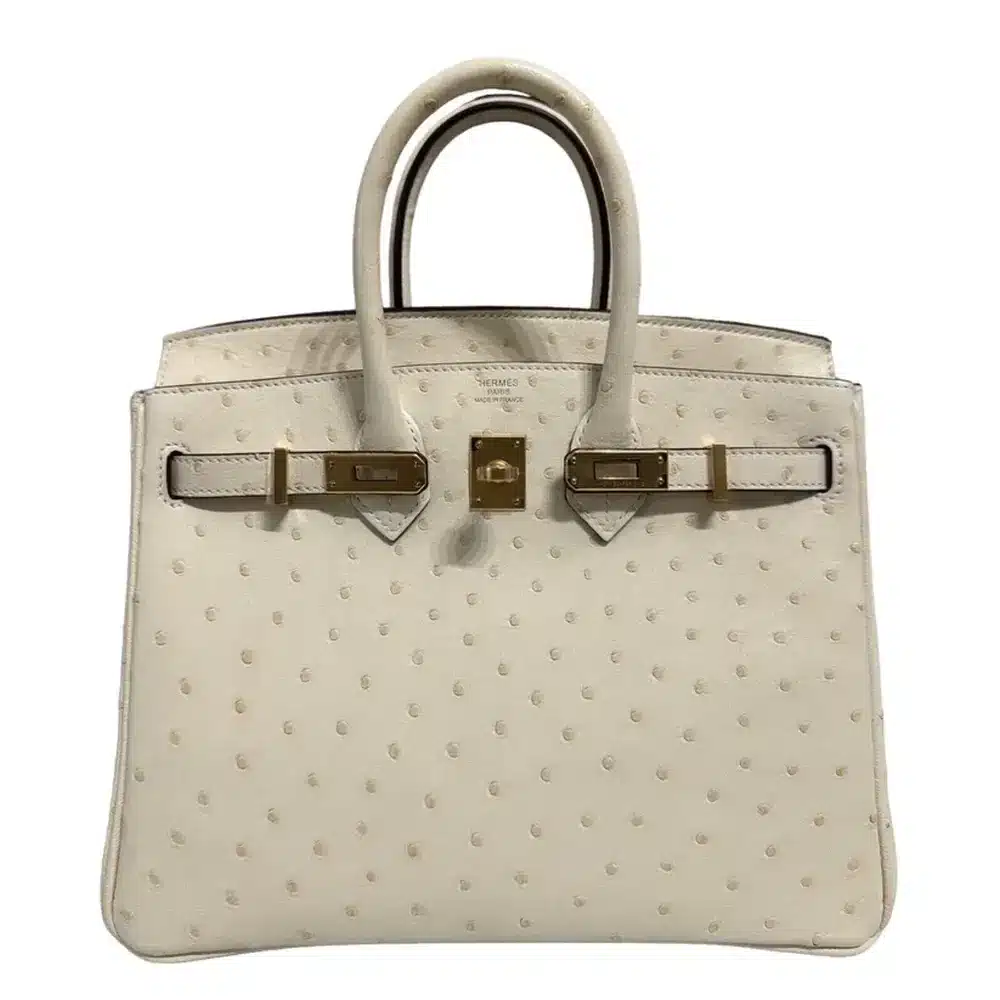
Hermès Birkin and Kelly bags are iconic luxury handbags, prized for their craftsmanship and exclusivity. Both designs have become status symbols worldwide.
Hermès Birkin and Kelly bags represent the pinnacle of luxury fashion. Named after style icons Jane Birkin and Grace Kelly, these handbags are renowned for their impeccable craftsmanship and timeless design. Fashion enthusiasts and collectors highly covet these bags due to their rarity and exclusivity.
Each bag is meticulously handcrafted by skilled artisans, often requiring many hours to complete. The Birkin and Kelly bags come in various sizes, leathers, and colors, allowing for endless customization. Their high resale value also makes them a smart investment. Owning a Hermès Birkin or Kelly bag signifies prestige and discerning taste in fashion.
Hermès Birkin and Kelly bags have a rich history that reflects elegance and luxury. These iconic bags are more than just fashion statements; they are symbols of craftsmanship and timeless style. Let's delve into the fascinating history of Hermès bags, exploring the origins and evolution of the Birkin and Kelly bags.
The Birkin bag's story began in the 1980s. Actress and singer Jane Birkin had a chance encounter with Hermès CEO Jean-Louis Dumas on a flight. Birkin expressed her frustration about not finding a suitable weekend bag. Inspired by her needs, Dumas designed a bag that combined practicality with elegance.
Introduced in 1984, the Birkin bag quickly became a symbol of status and sophistication. Each Birkin bag is handcrafted by skilled artisans, taking up to 18 hours to complete. The bag's design features:
The Birkin's exclusivity lies in its limited production. Customers often face long waiting lists, sometimes extending over several years. This scarcity enhances its allure and desirability among fashion enthusiasts.
| Feature | Description |
|---|---|
| Material | High-quality leather |
| Hardware | Gold or palladium |
| Price Range | $10,000 - $150,000 |
The Kelly bag's origins date back to the 1930s. Initially known as the Sac à Dépêches, it was designed for practical use by Hermès. The bag gained worldwide fame in the 1950s when actress Grace Kelly used it to shield her pregnancy from paparazzi. This moment led to the bag being renamed in her honor.
The Kelly bag is celebrated for its structured and elegant design. Key features include:
The Kelly bag undergoes a meticulous crafting process, often requiring up to 25 hours of work by a single artisan. Its design has evolved over the years, embracing new materials and styles while retaining its classic charm.
| Feature | Description |
|---|---|
| Material | Various leathers and exotic skins |
| Hardware | Gold or palladium |
| Price Range | $8,500 - $100,000 |
Both the Birkin and Kelly bags have cemented their place in fashion history. Their stories and designs continue to captivate and inspire, making them timeless treasures for collectors and fashion lovers alike.
The Hermès Birkin and Kelly bags are world-famous for their exceptional quality and timeless elegance. The secret behind their allure lies in the superior craftsmanship and top-notch materials used to create each bag. This dedication to perfection ensures that every piece is a work of art, built to last a lifetime.
Each Hermès Birkin and Kelly bag is crafted by a single artisan, a tradition that dates back over a century. These skilled artisans undergo rigorous training, often taking years to master the techniques required to create these iconic bags.
Here are some key artisan techniques:
Here is a table summarizing these techniques:
| Technique | Description |
|---|---|
| Saddle Stitching | Hand-stitching with two needles for durability |
| Edge Painting | Multiple coats to seal and protect leather edges |
| Hand Burnishing | Polishing edges for a smooth, refined finish |
The dedication to craftsmanship ensures that each Hermès bag is not just a fashion accessory but a piece of art.
Hermès Birkin and Kelly bags are made from the finest materials, chosen for their quality and beauty. The range of materials used is diverse, each offering unique characteristics.
Some of the luxury materials include:
The choice of materials contributes to the bag's luxury status, making each piece unique and desirable. The combination of fine materials and expert craftsmanship ensures that Hermès bags remain a symbol of elegance and sophistication.
A Closer Look at Exotic Skins
While all Hermès bags are coveted, the allure of exotic skins takes desirability to an entirely new level. Everyone wants an Hermès bag. But if we’re being specific, we really want an exotic skin Hermès bag. These rare materials—whether it’s glossy crocodile, matte alligator, the subtle texture of lizard, or the unmistakable quill pattern of ostrich—transform each bag into an exceptionally rare treasure.
Exotic skins are not only prized for their extraordinary patterns and colors but also for their exclusivity. The rarity of sourcing and the meticulous process required to work with these delicate materials heighten their appeal. The result? Bags that are even more luxurious, rare, and, of course, more coveted among collectors and fashion aficionados.
This attention to material selection, especially the use of exotics, is part of what makes the Birkin and Kelly bags such enduring icons in the world of luxury accessories.
Understanding the unique characteristics of different exotic skins can help you distinguish between them and appreciate their distinct qualities. Here’s a quick guide to telling them apart:
With these distinctive traits in mind, identifying exotic skins becomes a rewarding part of collecting and admiring luxury handbags. Each type offers its own allure, texture, and story—truly making them treasured pieces for any connoisseur.
Alligator skin stands out for its distinct characteristics, making it a favorite among luxury handbag collectors. If you're wondering how to spot alligator leather, here are the key details to look for:
These distinguishing features not only contribute to the beauty and durability of alligator leather but also make it easier for enthusiasts and collectors to identify genuine alligator skin on high-end handbags.
Among the rarest and most prestigious materials used by Hermès is Porosus crocodile leather. This exquisite skin stands out for its remarkable symmetry and the fine, even texture of its scales, marked by tiny pores that give it an unmistakable look.
Porosus crocodile leather is sourced from large crocodiles, primarily farmed in Australia. The artisans select the smoothest sections from the belly and flanks, ensuring a flawless surface that is ideal for crafting larger Birkin and Kelly bags. Because these crocodiles are highly territorial, each is raised individually—a practice that helps preserve the skin’s pristine quality but adds to its exclusivity.
There are two main finishes available:
These distinctive qualities—symmetrical scales, unique tiny pores, and the choice between elegant matte or high-shine finishes—make Porosus crocodile leather highly sought after among collectors and connoisseurs of luxury fashion.
Ostrich leather stands out among luxury materials for its instantly recognizable appearance and premium qualities. Unlike other exotic skins, ostrich leather is covered in distinctive raised spots—these are actually feather follicles—which give the leather a signature "polka-dot" texture. The presence and even distribution of these follicles often enhance the value and appeal of the skin.
In terms of origin, Hermès sources its ostrich leather from Struthio camelus, or common ostriches, primarily farmed in South Africa. One notable characteristic of ostrich leather is its tendency to develop a rich patina over time. The skin will gradually change in color with exposure to light and the contact of your hands, deepening its uniqueness and charm as the bag ages.
To identify ostrich leather:
This exceptional blend of beauty, individuality, and resilience makes ostrich leather a highly prized choice among collectors and connoisseurs alike.
Among the most prized materials in the Hermès collection is Niloticus crocodile leather. Sourced primarily from crocodiles found in the Nile River region of Zimbabwe, Niloticus stands out for its striking scale pattern and versatility.
Niloticus leather is available in both matte and shiny finishes. The scales tend to be somewhat larger and less perfectly symmetrical compared to those found on Porosus crocodile leather, giving each bag a distinct personality. When treated to a matte finish, the texture is elegant and refined, while polishing brings out rich, vibrant colors that enhance the bag’s overall appeal.
In terms of durability, Niloticus crocodile leather is generally considered hardier than Porosus, although it is still susceptible to permanent water staining. On the spectrum of exotic skins, Niloticus tends to be a more accessible choice than Porosus, except for certain exceptional editions. One standout is the renowned Hermès Himalaya, crafted from matte Niloticus crocodile; this bag features a remarkable ombré dye effect, blending shades of brown, grey, and white—a process that demands extraordinary skill and time.
To help distinguish between Niloticus and Porosus crocodile leathers:
Together with expert craftsmanship, the choice of Niloticus crocodile leather ensures each bag is a luxurious, collectible masterpiece.
Among the range of exotic skins used by Hermès, Alligator Mississippiensis stands out for its remarkable attributes. Sourced primarily from the American alligator, this leather is prized for several reasons that make it both luxurious and practical.
Here are some unique characteristics that set Alligator Mississippiensis leather apart:
The combination of these qualities—distinctive scale pattern, exceptional durability, and unique markings—solidifies Alligator Mississippiensis as a prestigious material of choice in luxury handbag design.
Among the most prized materials used for Hermès bags is Porosus crocodile leather. Recognizable by the tiny pores found on each scale, this exotic leather is sourced from crocodiles in Australia, renowned for their large size and smooth bellies—perfect for crafting larger Birkin and Kelly bags.
To preserve the flawless quality of the leather, each crocodile is raised separately due to their territorial nature. This solitary raising reduces scarring on the skin but also increases the rarity and, inevitably, the price.
Porosus crocodile leather is available in two distinctive finishes:
Each finish brings its own character to the bag, allowing collectors and fashion enthusiasts to choose the look that best suits their style.
Ostrich leather is instantly recognizable thanks to its unique pattern of raised bumps, which are feather follicles from the hide of the common ostrich, Struthio camelus. These distinctive markings not only set it apart visually but also contribute to its value—the higher the concentration of follicles, the more prized the leather.
One of the fascinating aspects of ostrich leather is how it develops character with use. Over time, the color of ostrich leather evolves as it reacts to natural oils from your hands and exposure to light. This means that your bag will gradually acquire a richer, more nuanced patina, making each piece truly one-of-a-kind. Instead of fading, these changes enhance the beauty of the leather, celebrating its journey and longevity.
Collectors often cherish this evolving quality, as it adds a personal touch and a story to every ostrich leather Birkin or Kelly. The result is a handbag that not only maintains its luxury appeal but also gains unique character the longer it is loved and carried.
Among the exotic materials used for Hermès creations, lizard skin is prized for its rare beauty and distinct texture. Two main types stand out: Niloticus and Salvator lizard skins, each with unique qualities that set them apart.
Niloticus lizard skin is sourced from African monitor lizards. Its distinguishing features include:
The Salvator lizard, native to Southeast Asia, presents a different profile:
These subtle but important differences influence the look, rarity, and care needed for each type of lizard skin, adding another layer of allure to Hermès’ already legendary creations.
Among the array of exotic skins Hermès selects, Varanus salvator lizard—commonly known as Natural or Ombre Lizard—stands out for its unique appearance and rarity. Sourced from the monitor lizards native to Southeast Asia, this skin is prized for its fine, hexagonal scales and subtle color gradation.
Varanus salvator lizard leather can be identified by:
Natural or Ombre Lizard bags are among the most coveted Hermès creations, renowned for their rarity. Sometimes described as the "Himalaya" of lizard skins, these pieces are both delicate and exquisite. As lizard skin is sensitive to dryness and water exposure, special care is required to preserve its beauty and texture.
Another standout material occasionally used in Hermès creations is Varanus Niloticus lizard leather. Recognized by its small, oval-shaped scales, this leather stands out for its glossy, highly reflective finish that catches the light beautifully. The scales are closely set, giving the surface a smooth, intricate pattern.
Due to the limited size of the African monitor lizard, Varanus Niloticus leather is typically reserved for smaller items—think watch straps, trims on special edition Birkins (like the Birkin Club), or compact handbags. Its rarity only adds to its allure and exclusivity.
However, this luxurious material is notably delicate. It is prone to drying, so lizard leather requires careful storage and maintenance to preserve its sheen and supple feel. Regular conditioning and protection from excessive dryness or moisture are key to keeping these pieces looking their best.
Lizard skin, prized for its tightly webbed, glossy scales, adds an extra touch of refinement to luxury accessories. However, you’ll often see it featured only as trimming or on smaller items—there’s a good reason for that.
First, the natural size of the lizard means there simply isn’t enough large, flawless material to craft a full-sized Birkin or Kelly bag. The unique, small scale pattern is better suited for petite surfaces, where it can be displayed without interruption.
Second, lizard skin is notably delicate. It tends to dry out if not meticulously cared for, making it less practical for everyday wear and tear. By limiting its use to small goods or as decorative accents, Hermès and other luxury houses preserve the skin's beauty and longevity, ensuring it maintains that hallmark sheen and supple feel for years to come.
Caiman crocodile leather is a distinctive and sought-after material sometimes used in high-end handbags. Identified by its trademark long, flat, and rectangular scales, Caiman leather stands apart from other crocodilian leathers thanks to its thin texture and unique look.
However, you’ll rarely come across Caiman crocodile in modern luxury collections. The main reason is the scarcity of high-quality, reliable sources for this specific skin, which has led many designers—including Hermès—to discontinue its use in recent years. As a result, Caiman crocodile is typically found only in vintage pieces, making these bags especially prized by collectors for their rarity and historical significance.
If you spot a Caiman crocodile bag on the market today, chances are it’s a cherished vintage find—a true treasure for any handbag enthusiast looking to own a unique piece of fashion history.
If you’re planning to take an exotic leather bag—such as one made from crocodile, alligator, or lizard skin—on an international trip, there are important regulations to keep in mind. Many countries require a CITES (Convention on International Trade in Endangered Species of Wild Fauna and Flora) Certificate to prove your bag’s materials come from legal and sustainable sources.
Risks of Non-Compliance:
To ensure seamless travel and to protect your prized Hermès bag, always verify you have a valid CITES certificate and any additional import or export permits required by your destination. This due diligence will help prevent unexpected complications and preserve your luxury investment.
When it comes to exotic skins, there are important guidelines to consider for international travel and purchase. If your Hermès Birkin or Kelly features crocodile, alligator, or lizard skin, you’ll need a CITES (Convention on International Trade in Endangered Species of Wild Fauna and Flora) certificate. This document verifies that the material is sourced legally and helps prevent trafficking in protected species.
Here’s what you need to remember:
Owning or traveling with an exotic skin bag is a privilege that comes with responsibilities—staying informed about documentation ensures a smooth, worry-free experience.
When it comes to exotic leather products like those made from crocodile, alligator, or lizard skins, there’s an important detail that discerning collectors and travelers should keep in mind: the CITES Certificate.
What is a CITES Certificate?
CITES stands for the Convention on International Trade in Endangered Species of Wild Fauna and Flora. This certificate serves as official documentation to show that the exotic skin used in your bag has been sourced and traded in compliance with international wildlife protection laws.
Why is it necessary?
Owning a CITES Certificate is crucial for several reasons:
Notably, CITES certification is generally required for crocodile, alligator, and lizard leathers, while ostrich skin is exempt from this regulation.
Being informed about CITES requirements not only protects your investment but also ensures that you are respecting important conservation efforts.
Among the many coveted Hermès creations, the Himalaya bag stands out as a true masterpiece of luxury and exclusivity. What sets this bag apart is both the painstaking process behind its creation and its remarkable visual appeal.
The rarity begins with its material—typically crafted from Niloticus crocodile skin—which is carefully selected for its quality and natural grain. Achieving the bag’s signature gradient, which evokes the snow-capped peaks of the Himalayas, is an extraordinary feat. Artisans spend numerous hours skillfully dyeing the leather to create seamless gradients that fade from warm browns and cool grays into pristine white. This ombré effect demands absolute precision and an expert touch, making each Himalaya bag almost one-of-a-kind.
Because of the technical challenges and the time-intensive process, only a handful of these bags are produced each year. Their scarcity is further amplified by their status as auction darlings—Himalaya bags consistently set records and are highly prized by collectors around the globe.
With such meticulous attention to craftsmanship and a level of rarity that puts them in a league of their own, the Himalaya bag epitomizes ultimate luxury, making it one of the most sought-after handbags in the world.
The Hermès Birkin and Kelly bags are not just accessories; they are symbols of luxury and status. With a rich history and an enduring allure, these bags have achieved an iconic status in the fashion world. Their high-quality craftsmanship, exclusivity, and timeless design make them highly sought-after pieces.
The Hermès Birkin and Kelly bags have had a profound cultural impact. These bags are more than just fashion items; they are cultural icons.
Firstly, the meticulous craftsmanship of these bags sets them apart. Each Birkin and Kelly bag is handmade, ensuring the highest quality. This attention to detail has made them symbols of luxury.
Secondly, the exclusivity of these bags contributes to their cultural significance. With long waiting lists and limited availability, owning a Birkin or Kelly bag signifies a certain social status. People view these bags as investments.
Thirdly, these bags have influenced popular culture. They appear in movies, TV shows, and songs. Their presence in media further solidifies their iconic status.
Here are some key cultural impacts:
Celebrity endorsements have played a significant role in the popularity of Hermès Birkin and Kelly bags. Many high-profile celebrities have been spotted carrying these luxurious bags, adding to their allure.
Victoria Beckham is known for her extensive collection of Birkin bags. Her endorsement has greatly increased the bag's desirability. She has been seen with various colors and styles, showcasing the versatility of the Birkin.
Kim Kardashian is another celebrity who frequently carries Hermès bags. Her influence in the fashion world makes these bags even more popular. She often shares photos of her bags on social media, creating a buzz among her followers.
Grace Kelly, the Princess of Monaco, is the namesake of the Kelly bag. Her use of the bag in the 1950s solidified its status as a timeless piece. The Kelly bag remains a favorite among royals and celebrities alike.
Here are some notable celebrity endorsements:
| Celebrity | Bag Model |
|---|---|
| Victoria Beckham | Birkin |
| Kim Kardashian | Birkin |
| Grace Kelly | Kelly |
These endorsements by celebrities not only increase the desirability of the bags but also cement their status as icons of luxury and style.
The Hermès Birkin and Kelly bags are not just luxury items; they are also investment pieces. These iconic bags have shown significant investment value over the years. Their timeless appeal and limited availability make them highly sought after. Investing in these bags can be a smart move for fashion lovers and savvy investors alike.
Hermès Birkin and Kelly bags have consistently been in high demand. Market trends show that the value of these bags appreciates over time. Several factors contribute to this trend:
Recent market data supports these trends. According to a study by Baghunter, the Birkin bag has increased in value by an average of 14.2% per year over the last 35 years. This makes it a more lucrative investment compared to traditional assets like gold and stocks.
| Year | Average Value Increase |
|---|---|
| 2015 | 14% |
| 2020 | 16% |
| 2023 | 18% |
The resale potential of Hermès Birkin and Kelly bags is remarkable. Many owners find that they can sell these bags at a profit. Key factors influencing resale potential include:
According to The RealReal, a luxury consignment shop, Hermès bags sell within days of listing. The average resale price is often higher than the original retail price. This high demand ensures that sellers can expect a quick and profitable sale.
To maximize resale value, consider the following tips:
These steps can help maintain the bag's value and appeal to potential buyers. Investing in a Hermès Birkin or Kelly bag can be a wise financial decision.
Owning a Hermès Birkin or Kelly bag is a dream for many fashion enthusiasts. These bags are not just accessories; they are investments. Proper care and maintenance are essential to keep these luxury items in pristine condition. Ensuring your Birkin or Kelly bag remains as stunning as the day you bought it requires some effort, but the results are worth it.
Regular cleaning keeps your Hermès bag looking new. Follow these tips to ensure your bag stays spotless:
For different leather types, use specific cleaning methods:
| Leather Type | Cleaning Method |
|---|---|
| Togo | Use a dry cloth, avoid water |
| Epsom | Wipe with a damp cloth, air dry |
| Box Calf | Use a leather conditioner |
Proper storage is crucial to maintain the shape and integrity of your Hermès bag:
Additional tips for long-term storage:
Following these care and maintenance tips ensures your Hermès Birkin or Kelly bag remains a timeless piece in your collection.
Hermès Birkin and Kelly bags are more than just accessories. They symbolize luxury, exclusivity, and timeless fashion. The journey to owning these iconic bags can be an adventure. This section guides you through the process of buying a Birkin or Kelly.
Purchasing a Birkin or Kelly bag from an authorized retailer ensures authenticity. These bags are often available at Hermès boutiques worldwide. Visiting an official Hermès store guarantees the quality and origin of the bag. The experience is also unique, as Hermès prides itself on excellent customer service.
To buy from an authorized retailer, consider these steps:
Advantages of buying from authorized retailers:
| Advantage | Description |
|---|---|
| Authenticity | Guaranteed genuine Hermès product |
| Quality | High-quality craftsmanship |
| Customer Service | Exceptional shopping experience |
The second-hand market offers another avenue for purchasing Birkin and Kelly bags. Pre-owned bags can be found through various platforms, including online marketplaces and consignment stores. This route can sometimes provide quicker access to these coveted items.
Tips for buying from the second-hand market:
Popular second-hand platforms:
Buying from the second-hand market can be rewarding. It often provides access to rare and vintage pieces. Always be cautious and prioritize authenticity.
If you’re considering a Hermès Birkin or Kelly crafted from exotic skins—such as crocodile, alligator, or lizard—there’s an important legal step to keep in mind: obtaining a CITES (Convention on International Trade in Endangered Species of Wild Fauna and Flora) Certificate. This document is required when purchasing, shipping, or traveling internationally with bags made from protected species.
How to Obtain a CITES Certificate:
Important reminders:
Staying proactive about your documentation ensures smooth travel and protects your investment in these extraordinary handbags.
Hermès Birkin and Kelly bags are symbols of luxury and status. These iconic bags offer a range of customization options to make each piece unique. From personalized details to limited editions, Hermès provides many ways to create a one-of-a-kind bag.
Personalization choices for Hermès Birkin and Kelly bags make them truly special. You can select from various materials, colors, and hardware finishes. This allows you to design a bag that reflects your style.
Materials:
Hermès is celebrated for its use of rare and luxurious exotic skins, each offering a distinct look and feel:
These exotic skins allow for nearly endless customization, ensuring every Hermès Birkin or Kelly is as unique as its owner.
Colors: Hermès offers a palette of over 50 colors. This includes classic shades like black and brown, and vibrant hues like orange and pink.
Hardware Finishes:
| Feature | Options |
|---|---|
| Leather Types | Togo, Epsom, Clemence |
| Exotic Skins | Alligator, Crocodile, Ostrich |
| Hardware Finishes | Gold, Silver, Rose Gold |
Limited editions of Hermès Birkin and Kelly bags are highly sought after. These bags often feature unique designs and rare materials. They are produced in very small quantities, making them rare and valuable.
Special Collaborations: Hermès collaborates with artists and designers to create limited edition bags. These collaborations result in unique pieces that blend Hermès craftsmanship with artistic vision.
Exclusive Materials: Limited edition bags often use rare and exclusive materials. This includes exotic skins and precious metals.
Unique Designs: Limited editions feature unique designs and patterns. This can include hand-painted details, embroidery, and intricate stitching.
Examples of Limited Editions:
| Collection | Description |
|---|---|
| So Black | All-black design with black hardware |
| Faubourg Birkin | Inspired by Hermès flagship store |
| Shadow Birkin | Unique 3D effect design |
Hermès Birkin and Kelly bags are symbols of timeless luxury and sophistication. These iconic bags have adorned the arms of celebrities and fashion lovers worldwide. As the fashion landscape evolves, the future of Hermès bags promises exciting developments. From sustainability efforts to evolving trends, these coveted accessories continue to lead the way in style and innovation.
Hermès is committed to making a positive impact on the environment. The brand has implemented several sustainability initiatives to ensure its bags are both luxurious and eco-friendly.
Here are some key sustainability efforts by Hermès:
Hermès also collaborates with organizations to promote sustainable fashion practices:
| Initiative | Details |
|---|---|
| Leather Working Group | Hermès is a member of the Leather Working Group, promoting sustainable leather production. |
| Green Energy | The brand uses renewable energy sources in its facilities. |
The fashion world is always changing, and Hermès stays at the forefront with innovative designs and trends. The future of Hermès bags includes exciting new styles and features.
Here are some evolving trends for Hermès bags:
Hermès has also embraced digital innovation:
| Trend | Details |
|---|---|
| Virtual Try-Ons | Customers can now try on bags virtually using augmented reality. |
| Online Customization | Design your own Hermès bag online with various customization options. |
Exotic leather for handbags includes materials like alligator, ostrich, python, and stingray. These leathers offer unique textures and durability.
Exotic leather is a luxurious choice for handbags, providing a distinctive look and feel that sets them apart. Handbags made from alligator, ostrich, python, or stingray leather are highly sought after due to their unique textures and exceptional durability. These materials not only enhance the aesthetic appeal of the handbags but also ensure longevity.
Exotic leathers are often associated with high fashion and exclusivity, making them a popular choice among discerning consumers. Ethical sourcing and sustainable practices are becoming increasingly important in the exotic leather industry, ensuring that these exquisite materials are obtained responsibly. Investing in an exotic leather handbag is a statement of style and sophistication.
Handbags made from exotic leather exude luxury and sophistication. But what is exotic leather? It refers to leather sourced from rare and unique animals. These materials are often more expensive and sought after due to their unique textures and appearances. Exotic leather stands out for its durability and distinctive look, making it a popular choice for high-end handbags.
There are various types of exotic leather, each with unique characteristics:
| Type | Characteristics |
|---|---|
| Crocodile | Durable, unique scale pattern |
| Python | Distinctive scales, flexible |
| Ostrich | Soft, quill marks, robust |
| Stingray | Pebble texture, water-resistant |
| Lizard | Fine scales, glossy |
Exotic leather sources vary, and sustainability practices are essential:
Sustainability in exotic leather involves ensuring ethical sourcing and minimal environmental impact. Many brands now adopt eco-friendly practices, such as:
Choosing exotic leather from ethical sources helps preserve wildlife and supports sustainable practices.
Exotic leather handbags are the epitome of luxury and style. Handbags crafted from exotic leathers are not just accessories; they are statement pieces. These bags often use unique materials that stand out and offer durability. Some of the most popular exotic leathers include crocodile, ostrich, and python. Each type of leather has its own charm and distinctive features.
Crocodile leather is one of the most sought-after materials for high-end handbags. This leather is known for its distinctive scale pattern and incredible durability. Handbags made from crocodile leather are often seen as a symbol of status and wealth.
Key Features of Crocodile Leather:
The natural texture and appearance of crocodile leather add an exotic flair to any outfit. It often comes in various colors, from natural hues to dyed versions.
| Pros | Cons |
|---|---|
| Durable | Expensive |
| Unique Look | Requires Special Care |
| Water-Resistant | Can Be Heavy |
Ostrich leather is another popular choice for exotic handbags. It is known for its unique texture and softness. The leather features small bumps, known as quill follicles, which give it a distinct look.
Why Choose Ostrich Leather:
Ostrich leather comes in a variety of colors and can be dyed easily. This makes it versatile for different styles and preferences. It is also known for its flexibility, allowing for creative designs.
Benefits and Drawbacks:
Python leather is famous for its intricate scale pattern and exotic appearance. Handbags made from python leather are often seen as bold and fashionable choices.
Characteristics of Python Leather:
Python leather is available in a wide range of colors and finishes. It can be left natural or dyed to create vibrant designs. This versatility makes it a favorite among fashion designers.
| Pros | Cons |
|---|---|
| Unique Look | Requires Special Care |
| Flexible | Can Be Expensive |
| Lightweight | Not Water-Resistant |
Exotic leather handbags are more than just fashion statements. They represent a blend of luxury and meticulous craftsmanship. Each piece is a testament to skilled artisans who pour their hearts into creating these unique accessories. Let's delve deeper into the craftsmanship that goes into making these exquisite handbags.
Creating exotic leather handbags involves a range of artisanal techniques. These techniques ensure each bag is unique and of the highest quality. Here are some key methods used by artisans:
Below is a table showing the different types of exotic leather and the techniques commonly used with them:
| Type of Leather | Common Techniques |
|---|---|
| Crocodile | Embossing, Hand-cutting |
| Python | Stitching, Edging |
| Ostrich | Embossing, Stitching |
Each technique requires a high level of skill and precision. Artisans often spend years mastering their craft. This dedication ensures that each handbag is not just a product but a work of art.
Quality control is crucial in the production of exotic leather handbags. It ensures that each piece meets the highest standards. Here are some steps involved in quality control:
Quality control involves various stages to ensure perfection. Below is a table showing the stages and their focus areas:
| Stage | Focus Area |
|---|---|
| Material Inspection | Leather Quality |
| Stitching Check | Stitch Strength |
| Durability Testing | Bag Strength |
| Final Review | Overall Quality |
The goal of quality control is to ensure that every handbag is flawless. This meticulous process guarantees that customers receive a product that is not only beautiful but also durable and long-lasting.
Exotic leather handbags are more than just accessories; they are statements of style and elegance. Fashion trends constantly evolve, and exotic leather has become a favorite among designers and fashion enthusiasts. The unique textures and luxurious appeal of materials like crocodile, ostrich, and python skins make these handbags a must-have in any fashion-forward wardrobe.
Today's fashion trends for exotic leather handbags focus on bold designs and intricate details. Crocodile skin handbags are particularly popular due to their distinctive pattern and durability. These bags often feature structured shapes, giving them a timeless and sophisticated look.
Python skin handbags are another trendsetter, known for their vibrant colors and unique scales. Designers often use dyed python skin to create eye-catching, one-of-a-kind pieces. These bags come in various styles, from clutches to totes, catering to different tastes and occasions.
Ostrich leather handbags stand out for their distinctive quill pattern. They are soft yet durable, making them a practical choice for everyday use. These bags are often available in neutral tones, which makes them versatile and easy to match with any outfit.
| Type of Exotic Leather | Characteristics | Popular Styles |
|---|---|---|
| Crocodile | Durable, Distinctive Pattern | Structured Shapes, Timeless Look |
| Python | Vibrant Colors, Unique Scales | Clutches, Totes |
| Ostrich | Quill Pattern, Soft | Neutral Tones, Versatile |
Celebrities play a significant role in shaping fashion trends, and exotic leather handbags are no exception. A-listers like Kim Kardashian and Rihanna are often seen flaunting their luxury handbags, making these items highly desirable for their fans.
When celebrities are photographed with exotic leather handbags, it creates buzz and boosts the demand for these luxurious items. Social media platforms amplify this trend, with influencers and fashion bloggers showcasing their exotic leather collections.
Designers collaborate with celebrities to create exclusive lines of handbags. These limited-edition pieces often sell out quickly, further driving the popularity of exotic leather. The endorsement from high-profile figures adds a layer of prestige to these handbags, making them a status symbol.
Celebrity influence extends beyond just carrying the bags. They often share styling tips and outfit ideas, inspiring their followers to incorporate exotic leather into their own wardrobes. This trend trickles down to the general public, making exotic leather handbags a staple in the fashion industry.
Exotic leather handbags are a symbol of luxury and elegance. Proper care and maintenance are essential to keep them looking their best. With the right techniques, you can ensure your exotic leather handbags remain stunning for years to come. This guide will provide you with valuable tips on cleaning and storing your prized possessions.
Regular cleaning is crucial for maintaining the beauty of exotic leather handbags. Follow these steps to clean your handbag effectively:
Avoid common mistakes:
Here's a quick reference table:
| Task | Action |
|---|---|
| Dusting | Soft, dry cloth |
| Cleaning | Leather cleaner |
| Conditioning | Leather conditioner |
Proper storage is essential to preserve the quality of exotic leather handbags. Follow these guidelines to ensure your handbag stays in top condition:
Consider these additional tips:
Here's a quick reference table:
| Task | Action |
|---|---|
| Cool, dry place | Away from sunlight |
| Dust bag | Protects from dust |
| Shape maintenance | Stuff with tissue paper |
Exotic leather for handbags is highly sought after for its unique textures and patterns. Yet, ethical considerations must be addressed. These involve the environmental impact, the welfare of animals, and the livelihoods of communities involved in the trade. Understanding these ethical facets ensures buyers make informed and responsible choices.
Conservation efforts are essential in the exotic leather industry. Many species providing exotic leather are endangered or vulnerable. Sustainable practices help protect these species and their habitats.
Several organizations work tirelessly to ensure the ethical sourcing of exotic leather:
These organizations play a crucial role in promoting ethical practices:
| Organization | Focus Area | Contribution |
|---|---|---|
| WCS | Global Species Protection | Research, Advocacy, Conservation Programs |
| IUCN | Species Assessment | Red List, Policy Guidance |
| WWF | Community Engagement | Sustainable Practices, Education |
Consumers can support conservation efforts by choosing products certified by these organizations. Certification ensures the leather was sourced sustainably and ethically.
Legal regulations govern the trade of exotic leather. These laws aim to protect endangered species and ensure ethical practices. Understanding these regulations helps consumers make informed choices.
Several key regulations impact the exotic leather industry:
These regulations ensure the ethical sourcing and trade of exotic leather:
| Regulation | Region | Purpose |
|---|---|---|
| CITES | Global | Regulate Trade, Protect Species |
| ESA | USA | Protect Endangered Species |
| EU Wildlife Trade Regulations | European Union | Align with CITES, Regulate Trade |
Consumers should look for CITES certification when purchasing exotic leather products. This ensures the leather was sourced legally and ethically.
Exotic leather handbags exude luxury and exclusivity. They are crafted from rare materials like crocodile, ostrich, and python. These handbags are not just fashion statements; they are investments. The cost of these exquisite pieces varies widely. Let's explore the cost factors.
The pricing range of exotic leather handbags depends on several factors. The type of leather is the primary factor. Crocodile leather is one of the most expensive. Ostrich and python are less costly but still pricey.
Here are some pricing examples:
Another factor influencing the price is the brand. Luxury brands like Hermès and Chanel charge a premium. Their craftsmanship, reputation, and exclusivity drive up the cost.
Customization options also play a role. Personalized features such as monograms, unique designs, and bespoke fittings can add thousands to the price. For example:
| Customization | Additional Cost |
|---|---|
| Monogram | $500 |
| Unique Design | $1,000 - $5,000 |
| Bespoke Fittings | $2,000 - $10,000 |
Lastly, the condition of the leather affects the price. Pristine, well-maintained leather fetches higher prices. Handbags with scratches, stains, or wear are less valuable.
Exotic leather handbags are not just purchases; they are investments. These handbags often appreciate in value over time. The rarity and exclusivity of the materials make them sought after by collectors.
Here are some reasons why they hold investment value:
For example, a Hermès Birkin bag made from crocodile leather can appreciate significantly. A bag bought for $20,000 can sell for $50,000 or more after a few years.
Another factor is market demand. Fashion trends influence the demand for certain exotic leathers. Handbags made from in-demand materials can see a sharp increase in value.
Proper care is crucial for maintaining value. Regular cleaning, proper storage, and avoiding exposure to extreme conditions help preserve the handbag's condition. A well-maintained bag is more likely to appreciate.
In summary, exotic leather handbags are not just luxury items. They are valuable investments with the potential for significant appreciation.
Exotic leather for handbags offers unmatched luxury and style. Fashion enthusiasts are drawn to these unique materials. Market insights reveal the evolving demand and future trends. This helps brands and consumers make informed decisions.
The demand for exotic leather handbags has surged recently. Consumers seek unique, durable, and luxurious items. Several factors drive this trend:
Several types of exotic leather are in high demand:
| Type | Characteristics |
|---|---|
| Crocodile | Durable, distinctive scales, luxurious |
| Python | Flexible, unique patterns, soft |
| Ostrich | Soft, bumpy texture, lightweight |
Online Shopping has also boosted demand. People now buy luxury items with just a click. Social media platforms like Instagram and Pinterest showcase these handbags, driving interest and sales.
Experts predict that the exotic leather handbag market will grow steadily. Several trends support this projection:
The global market for exotic leather handbags is expected to see substantial growth:
| Year | Market Size (in Billion USD) |
|---|---|
| 2023 | 5.2 |
| 2025 | 6.8 |
| 2030 | 9.5 |
E-commerce platforms will continue to play a vital role. They offer a wide range of products to a global audience. Social media will also boost market growth. Influencers and fashion bloggers will continue to promote these unique handbags.
The future looks promising for exotic leather handbags. Brands and consumers should stay updated with market trends and projections.
Exotic leather handbags offer unmatched luxury and durability. Investing in these unique pieces elevates your style. Choose from a variety of exotic materials to stand out. Remember, quality craftsmanship ensures long-lasting beauty. Explore exotic leather options to make a bold fashion statement.
Your perfect handbag awaits in the world of exotic leathers.