
Introduction
The allure of Hermès Velvet Leather extends beyond mere tactile pleasure. This material represents decades of refinement in tanning techniques, a testament to Hermès’ unwavering commitment to innovation within the bounds of traditional craftsmanship. For those fortunate enough to own a piece crafted in this extraordinary leather, it becomes not just an accessory but a daily reminder of the heights that luxury craftsmanship can achieve when tradition meets innovation.
History and Heritage of Hermès Velvet Leather
The story of Hermès Velvet Leather begins in the experimental workshops of Hermès, where master tanners continuously push the boundaries of what’s possible with traditional materials. Introduced as part of Hermès’ ongoing exploration of texture and touch, this leather emerged from a desire to create something that would offer an entirely different sensory experience from the house’s established repertoire. The development process took several years, with craftsmen working to achieve the perfect balance between the soft, almost fabric-like surface that gives the leather its name and the structural integrity required for Hermès’ exacting standards.
The inspiration for Hermès Velvet Leather came from vintage velvet fabrics found in the Hermès archives, particularly those used in the house’s early equestrian accessories. The challenge was to recreate that distinctive nap and softness in leather form without compromising the material’s ability to hold shape and resist wear. This pursuit led to innovations in both the selection of raw hides and the tanning process itself, with techniques borrowed from both traditional French tanning methods and more modern approaches to surface treatment.
Throughout its evolution, Hermès Velvet Leather has remained relatively exclusive within the Hermès collection, never achieving the widespread availability of options like Hermès Clemence Leather or the structured appeal of Epsom. This exclusivity has only added to its mystique, making bags crafted in Velvet Leather particularly sought after by collectors who appreciate both its rarity and its unique aesthetic contribution to the Hermès legacy.
The leather’s development also coincided with a broader movement within luxury fashion toward materials that offer unexpected tactile experiences. As fashion houses began exploring the emotional connections that textures can create, Hermès Velvet Leather emerged as a perfect embodiment of this philosophy, offering customers not just a beautiful accessory but one that invites constant touch and interaction. This sensory dimension has become increasingly important in an age where luxury is defined not just by appearance but by the complete experience of ownership.
Comprehensive Characteristics of Hermès Velvet Leather
The defining characteristic of Hermès Velvet Leather is, unsurprisingly, its velvet-like surface texture that sets it apart from virtually every other leather in the Hermès collection. This unique nap is achieved through a specialized brushing process that raises microscopic fibers on the leather’s surface, creating a soft, almost fuzzy texture that catches and reflects light in distinctive ways. Unlike Hermès Swift Leather, which offers smoothness through compression and polishing, Velvet Leather achieves its softness through this carefully controlled texturing process.
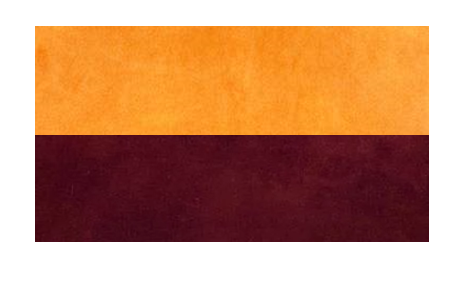
The visual appeal of Hermès Velvet Leather is equally distinctive. Depending on the angle of view and the direction of the nap, the leather can appear to shift in tone, creating a dynamic surface that changes throughout the day. This chameleon-like quality means that a bag in Hermès Velvet Leather never looks quite the same twice, offering constant visual interest that goes beyond the static beauty of more traditional leathers. The way light plays across the surface creates subtle variations in depth and richness that photography often struggles to capture fully.
In terms of weight, Hermès Velvet Leather falls into the medium category, heavier than lightweight options like Epsom but not as substantial as thick, robust leathers like Fjord. This moderate weight makes it suitable for a variety of bag styles, though it particularly excels in designs where the leather’s unique texture can be showcased without excessive hardware or embellishments competing for attention. The leather’s drape is exceptional, allowing it to conform to the bag’s intended shape while maintaining enough structure to prevent sagging or loss of form.
Durability considerations for Hermès Velvet Leather require a nuanced understanding. While the leather itself is robust and well-constructed, the raised surface texture that gives it its distinctive character does require more careful handling than smooth leathers. The velvet-like nap can show signs of wear in high-friction areas more readily than options from the Classic Main Leathers category. However, with proper care and mindful use, Hermès Velvet Leather can maintain its beauty for decades, developing a patina that only adds to its character.
The leather’s response to environmental conditions is another important characteristic. Hermès Velvet Leather demonstrates good resistance to temperature variations but requires protection from moisture, which can affect the nap’s appearance. Unlike water-resistant options such as Epsom, Velvet Leather benefits from careful protection from rain and humidity. However, this sensitivity is balanced by the leather’s excellent breathability, which helps prevent issues like mold or mildew that can affect some other luxury leathers when stored improperly.
Color absorption and retention in Hermès Velvet Leather is exceptional, with dyes penetrating deeply into the fibers to create rich, saturated hues that resist fading even with regular use. The textured surface adds dimension to colors, making even neutral tones appear more complex and interesting than they might on smooth leather surfaces.
Manufacturing Excellence
The creation of Hermès Velvet Leather represents one of the most complex processes in the Hermès tannery repertoire. Beginning with the selection of premium calfskin hides, only those with the finest grain and most consistent texture are chosen for transformation into Velvet Leather. This initial selection process eliminates approximately 70% of available hides, ensuring that only the most pristine materials move forward to the specialized tanning process that defines this exceptional leather.
The tanning process itself combines traditional vegetable tanning methods with modern chrome tanning techniques, creating a hybrid approach that maximizes both the leather’s softness and its durability. This dual-tanning method requires significantly more time than single-process tanning, often extending the production timeline by several weeks. The patience required for this process reflects Hermès’ commitment to achieving perfection rather than efficiency, a philosophy that sets their leathers apart from mass-produced alternatives.
The signature velvet texture is achieved through a proprietary brushing technique developed specifically for this leather. Master craftsmen use specialized tools to raise the surface fibers in a controlled manner, creating the distinctive nap that defines Hermès Velvet Leather. This process requires exceptional skill, as too much pressure can damage the leather’s surface, while insufficient brushing fails to achieve the desired texture. Each hide is worked by hand, with craftsmen spending hours achieving uniform texture across the entire surface.
Quality control for Hermès Velvet Leather exceeds even the stringent standards applied to other Hermès leathers. Each processed hide undergoes multiple inspections, checking for consistency in texture, color uniformity, and structural integrity. Any hide showing even minor imperfections is rejected, contributing to the leather’s rarity and exclusivity. This uncompromising approach to quality ensures that every piece crafted in Hermès Velvet Leather meets the exceptional standards that define the Hermès brand.
Hermès Bag Models in Velvet Leather
The Birkin bag in Hermès Velvet Leather represents a particularly striking interpretation of this iconic design. The soft, textured surface of the leather creates an interesting contrast with the bag’s structured silhouette, offering a tactile dimension that invites constant touch. Birkin bags in Velvet Leather are most commonly found in the 30cm and 35cm sizes, where the leather’s unique characteristics can be fully appreciated without overwhelming the bag’s proportions. The way Velvet Leather drapes on a Birkin creates subtle variations in texture across different panels, adding visual interest that evolves as the bag is carried and used.
Kelly bags in Hermès Velvet Leather offer a different expression of the material’s potential. The more formal structure of the Kelly provides an elegant backdrop for the leather’s soft texture, creating an intriguing juxtaposition between the bag’s ladylike silhouette and the tactile, almost casual feel of the Velvet surface. Retourne Kelly bags particularly benefit from this leather, as the softer construction method complements the leather’s natural drape. In comparison to Kelly bags crafted in Hermès Box Calf Leather, Velvet Leather versions offer a more relaxed, contemporary interpretation of this classic design.
The Constance bag in Hermès Velvet Leather has become something of a collector’s holy grail. The clean lines and prominent H closure of the Constance provide the perfect canvas for showcasing the leather’s unique texture. The way light plays across the velvet surface as the bag moves creates an almost mesmerizing effect, making these pieces particularly photogenic and sought after by fashion influencers and collectors alike. The leather’s softness also makes the Constance exceptionally comfortable to wear, molding gently against the body without the stiffness sometimes associated with more structured leathers.
Smaller leather goods and accessories in Hermès Velvet Leather offer an accessible entry point for those wanting to experience this unique material. Wallets, card holders, and small pouches in Velvet Leather have become increasingly popular, offering the tactile pleasure of the material in pieces that receive daily handling. These smaller items also demonstrate the leather’s versatility, proving that its appeal extends beyond statement bags to everyday luxury items. The way Velvet Leather ages on frequently handled items like wallets creates a beautiful evolution, with high-touch areas developing a subtle sheen that contrasts beautifully with the maintained nap in protected areas.
Limited edition and special order pieces in Hermès Velvet Leather represent the pinnacle of exclusivity within the Hermès universe. The leather’s rarity makes it a popular choice for customers placing special orders, particularly those seeking something truly unique. Combinations of Velvet Leather with exotic materials or contrasting smooth leathers like Hermès Evercalf Leather create striking visual and tactile contrasts that elevate these pieces to art object status.
Color Palette
The color offerings in Hermès Velvet Leather showcase the material’s exceptional ability to absorb and reflect light in unique ways. Deep, saturated colors like Noir (black) and Rouge H appear particularly rich in Velvet Leather, with the textured surface adding depth and dimension that makes these classic colors feel fresh and contemporary. The way the velvet nap catches light creates subtle variations in tone across the surface, making even solid colors appear complex and nuanced.
Neutral tones in Hermès Velvet Leather have proven especially popular among collectors. Colors like Etoupe, Etain, and Gris Tourterelle take on new life in this textured leather, with the velvet surface adding warmth and sophistication that elevates these versatile shades. The interplay between the leather’s texture and these subtle colors creates bags that are both understated and distinctive, perfect for those who appreciate quiet luxury. These neutral Velvet Leather pieces pair beautifully with bags in Hermès Togo Leather, offering textural variety within a cohesive color palette.
Seasonal and limited edition colors in Hermès Velvet Leather have become some of the most coveted pieces in the secondary market. Bright, bold colors like Rose Shocking or Bleu Zanzibar appear almost jewel-like in Velvet Leather, with the textured surface intensifying the color’s vibrancy. These statement pieces often become the centerpieces of serious collections, valued not just for their rarity but for the unique way Velvet Leather interprets these special colors.
Hardware combinations with Hermès Velvet Leather require careful consideration. The soft, matte texture of the leather creates interesting contrasts with both gold and palladium hardware, though many collectors prefer palladium for its modern, understated elegance that doesn’t compete with the leather’s textural interest. Rose gold hardware, when available, creates a particularly harmonious combination with Velvet Leather, the warm metal tones complementing the leather’s soft surface beautifully.
Care and Maintenance
Caring for Hermès Velvet Leather requires a specialized approach that respects the unique properties of this distinctive material. Daily maintenance should focus on preserving the leather’s characteristic nap while protecting it from the types of damage that can permanently alter its appearance. Unlike smooth leathers that can be easily wiped clean, Velvet Leather benefits from gentle brushing with a soft-bristled brush specifically designed for napped leathers. This regular brushing helps maintain the uniform direction of the nap and prevents matting in areas of frequent contact.
Protection from moisture is paramount when caring for Hermès Velvet Leather. While the leather itself is not overly delicate, water can cause the nap to mat or create permanent marks on the surface. Using a quality water-repellent spray designed for suede and nubuck leathers can provide an invisible barrier against moisture without altering the leather’s appearance or texture. This protective treatment should be reapplied periodically, especially before seasonal changes when exposure to rain or snow becomes more likely.
Storage of Hermès Velvet Leather items requires particular attention to prevent crushing or matting of the surface texture. Bags should be stored upright when possible, stuffed with acid-free tissue paper to maintain their shape, and kept in the provided dust bags to protect the surface from dust accumulation. Unlike some other leathers in the Additional Calf and Cow Leathers category that can be stored more casually, Velvet Leather benefits from careful positioning to avoid prolonged pressure on any one area.
Professional cleaning and restoration services for Hermès Velvet Leather should only be entrusted to specialists familiar with this specific material. The unique surface texture requires specialized techniques and products that differ from those used on smooth or grained leathers. Regular professional maintenance, perhaps annually for frequently used pieces, can help preserve the leather’s distinctive character while addressing any areas of wear before they become problematic. The investment in professional care is particularly worthwhile for Velvet Leather pieces, as improper cleaning attempts can irreversibly damage the delicate nap.
Handling best practices for Hermès Velvet Leather include being mindful of jewelry, particularly rings and bracelets, which can catch on the napped surface. Clean, dry hands are essential when handling Velvet Leather, as oils and lotions can be absorbed into the textured surface more readily than with smooth leathers like Hermès Evercolor Leather. Rotating use of Velvet Leather pieces with other bags in your collection helps prevent excessive wear in specific areas and allows the leather time to rest and recover its shape between uses.
Comparisons with Other Hermès Leathers
When comparing Hermès Velvet Leather to other options in the Hermès pantheon, the most obvious distinction lies in its unique surface texture. While leathers like Hermès Clemence Leather offer a pronounced grain and options like Swift provide ultimate smoothness, Velvet Leather occupies a unique position with its soft, napped surface that feels more like luxurious fabric than traditional leather. This textural difference impacts not just the aesthetic appeal but also the way the leather interacts with light, movement, and touch.
In terms of durability, Hermès Velvet Leather requires more careful handling than robust options like Fjord or Togo. The raised surface fibers that create its distinctive texture are more susceptible to showing wear in high-friction areas, making it less suitable for those seeking a worry-free everyday bag. However, for collectors who appreciate unique materials and are willing to provide appropriate care, Velvet Leather offers a sensory experience unmatched by more conventional options. The trade-off between durability and distinctiveness is one that each collector must evaluate based on their lifestyle and priorities.
Weight-wise, Hermès Velvet Leather falls into a comfortable middle ground. It’s lighter than thick, sturdy leathers like Ardennes or Fjord but has more substance than featherweight options like Epsom. This moderate weight, combined with its excellent drape, makes it particularly well-suited for bags where a balance between structure and softness is desired. When compared to Hermès Barenia Leather, another leather known for its softness, Velvet offers a completely different tactile experience despite similar weight characteristics.
The exclusivity factor of Hermès Velvet Leather cannot be overlooked when making comparisons. While classic leathers like Togo and Clemence are regularly available in Hermès boutiques, Velvet Leather appears much more sporadically, often in limited quantities and specific models. This rarity adds significant value for collectors but can make it challenging for those specifically seeking this material. The investment potential of Velvet Leather pieces often exceeds that of more common leathers, particularly for rare color combinations or limited edition releases.
Investment Value
The investment potential of Hermès Velvet Leather pieces has proven exceptionally strong in recent years, with certain combinations achieving remarkable appreciation in the secondary market. The leather’s relative rarity compared to standard offerings means that well-maintained pieces often command significant premiums over their original retail prices. This appreciation is particularly pronounced for Velvet Leather bags in discontinued colors or those from limited production runs, where scarcity drives demand among serious collectors.
Market trends indicate that Hermès Velvet Leather maintains strong value retention even in broader economic downturns that might affect other luxury goods. The unique position of this leather within the Hermès hierarchy – exclusive enough to be special but not so rare as to limit market liquidity – creates an ideal investment profile. Auction results from major houses consistently show Velvet Leather pieces achieving or exceeding high estimates, particularly when the leather is combined with rare colors or special hardware options.
The collector demographic for Hermès Velvet Leather tends to be sophisticated and discerning, often comprising individuals who already own multiple Hermès pieces and seek something distinctive to add variety to their collections. This educated buyer base understands and values the unique properties of Velvet Leather, creating stable demand that supports long-term value appreciation. Unlike trend-driven luxury items that may lose appeal over time, Velvet Leather’s timeless elegance and sensory appeal ensure continued desirability across generations of collectors.
Future outlook for Hermès Velvet Leather investment remains positive, particularly as Hermès continues to limit production and maintain exclusivity. The leather’s unique position in the Hermès portfolio – neither a staple like those in the Classic Main Leathers category nor as exotic as crocodile or alligator – makes it an attractive option for investors seeking differentiation without the complexity of exotic leather regulations and care requirements.
Authentication
Authenticating Hermès Velvet Leather requires specialized knowledge of this unique material’s characteristics. The distinctive nap of genuine Velvet Leather has a consistent, uniform appearance that’s difficult to replicate convincingly. Counterfeiters often struggle to achieve the precise texture and depth of authentic Hermès Velvet Leather, with fake versions typically showing either too much or too little surface texture. The way light interacts with genuine Velvet Leather creates subtle color variations that shift with viewing angle, a characteristic that’s nearly impossible to duplicate with inferior materials or processing techniques.
The feel of authentic Hermès Velvet Leather is unmistakable to those familiar with the material. The surface should feel luxuriously soft yet substantial, with a density that speaks to the quality of the underlying leather. Counterfeit versions often feel either too thin and insubstantial or overly stiff, lacking the perfect balance that characterizes genuine Hermès Velvet Leather. The leather should also show consistent quality across all panels of the bag, with no variations in texture or thickness that might indicate inferior materials or construction.
Examining the leather’s edges and construction points provides additional authentication insights. Hermès Velvet Leather edges are finished with the same meticulous attention as the surface, often painted or carefully sealed to prevent fraying of the napped surface. The way Velvet Leather is joined at seams shows precise alignment of the nap direction, creating seamless transitions that maintain the leather’s visual flow. These details require the skill and patience that counterfeit operations rarely possess or invest in replicating.
Styling Guide
Styling Hermès Velvet Leather pieces offers unique opportunities to create sophisticated, texture-rich ensembles that stand out through subtle luxury rather than ostentation. The leather’s soft, matte surface pairs beautifully with a range of fabrics, from crisp cottons and smooth silks to cozy cashmeres and structured wools. During fall and winter months, Velvet Leather bags create harmonious combinations with seasonal textures like suede shoes, cashmere coats, and wool accessories, building layered looks that feel cohesive and intentional.
For spring and summer styling, Hermès Velvet Leather provides an unexpected textural element that elevates lightweight fabrics and simpler silhouettes. A Velvet Leather bag in a neutral tone can ground an otherwise ethereal outfit of flowing linens or delicate silks, adding substance without weight. The leather’s unique texture also photographs beautifully in natural light, making it a favorite among fashion influencers who appreciate its photogenic qualities and the way it adds visual interest to their content.
Evening occasions showcase Hermès Velvet Leather’s versatility beautifully. Unlike patent or metallic leathers that can feel too flashy, or matte leathers that might seem too casual, Velvet Leather strikes the perfect balance for sophisticated evening wear. The way it catches and absorbs light creates an elegant, understated glamour that complements rather than competes with evening attire, making it an ideal choice for gallery openings, theater performances, and intimate dinner parties.
Conclusion
Hermès Velvet Leather stands as a testament to the house’s ability to innovate within the framework of traditional luxury leather craftsmanship. This exceptional material offers collectors and connoisseurs something truly unique – a leather that engages multiple senses and creates an emotional connection through its distinctive texture and visual appeal. For those who value exclusivity and appreciate the finest details of luxury craftsmanship, Hermès Velvet Leather represents an investment not just in a beautiful accessory but in a piece of Hermès history.
As the luxury market continues to evolve, materials like Hermès Velvet Leather that offer genuine differentiation and sensory engagement become increasingly valuable. Whether you’re considering your first Hermès Velvet Leather piece or adding to an existing collection, understanding the unique properties, care requirements, and investment potential of this remarkable material ensures that your acquisition will bring both immediate pleasure and long-term value. In a world of mass production and digital experiences, the tactile luxury of Hermès Velvet Leather reminds us of the irreplaceable value of true craftsmanship and material excellence.