
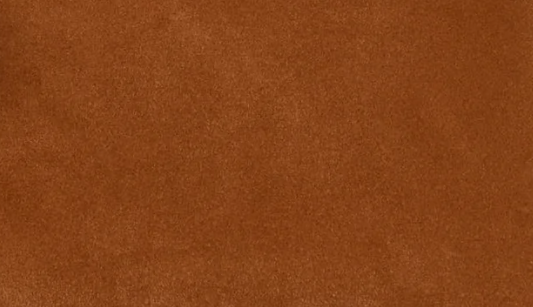
Introduction to Hermès Veau Doblis Suede Excellence
For discerning collectors who appreciate the finer nuances of luxury craftsmanship, Hermès Veau Doblis Suede offers an opportunity to own something truly extraordinary. Each piece crafted in this material becomes not merely an accessory, but a testament to the owner’s sophisticated understanding of luxury’s most exclusive expressions. The leather’s delicate nature and limited production make it one of the most coveted materials in the Hermès repertoire, with pieces often becoming instant classics that appreciate significantly in value over time.
The Storied History and Heritage of Veau Doblis
The introduction of Hermès Veau Doblis Suede into the maison’s leather collection marked a pivotal moment in the brand’s evolution from a traditional saddlery to a comprehensive luxury goods house. Dating back to the mid-20th century, when Hermès began expanding its repertoire beyond equestrian goods, the incorporation of suede represented both a technical challenge and an artistic opportunity. The decision to work with such a delicate material demonstrated the confidence Hermès had in its craftsmen’s abilities and its clientele’s appreciation for the extraordinary.
The name “Doblis” itself carries historical significance within the Hermès lexicon. While the exact etymology remains somewhat mysterious, leather experts believe it derives from traditional French tanning terminology, possibly referring to a specific regional technique or a historical tannery that pioneered the particular finishing process used for this suede. The addition of “Veau” (French for calf) distinguishes this particular variant from Hermès Doblis Suede made from other sources, emphasizing the use of premium calfskin that provides the optimal balance of softness and structure.
Throughout the decades, Hermès Veau Doblis Suede has graced some of the most iconic designs in the brand’s history. From limited edition Birkin bags that have become museum pieces to bespoke Kelly bags commissioned by royalty and celebrities, this leather has consistently been chosen for pieces intended to make a statement. The 1970s and 1980s saw a particular surge in popularity for Veau Doblis Suede, coinciding with a broader fashion movement that embraced texture and tactility in luxury goods.
The evolution of Veau Doblis Suede production techniques reflects Hermès’ commitment to continuous improvement while maintaining traditional craftsmanship values. Modern tanning processes have enhanced the leather’s resistance to fading and improved its structural integrity, all while preserving the signature characteristics that make it so desirable. This delicate balance between innovation and tradition exemplifies the Hermès approach to leather working, where centuries-old techniques are refined with contemporary knowledge to create materials that are both timeless and relevant.
Comprehensive Characteristics of Hermès Veau Doblis Suede
The defining characteristic of Hermès Veau Doblis Suede is its incomparably soft, velvety texture that seems to invite touch. This tactile quality results from a meticulous napping process where the leather’s surface is carefully brushed to raise a fine, uniform pile. Unlike rougher suedes that might feel coarse or uneven, Veau Doblis Suede presents a consistency of texture that speaks to the exceptional quality of both the raw material and the finishing process. The leather’s surface appears to shift in tone as light plays across it, creating a dynamic visual effect that adds depth and interest to any piece.
The grain pattern of Hermès Veau Doblis Suede is intentionally subdued, allowing the material’s texture to take center stage. This differs markedly from prominent grain patterns found in leathers like Hermès Togo Leather or the smooth perfection of Hermès Box Calf Leather. The absence of a pronounced grain creates a canvas-like quality that makes colors appear particularly rich and saturated. This characteristic makes Veau Doblis Suede especially prized for bags in jewel tones and deep, saturated hues where the color itself becomes the primary design element.
In terms of durability, Hermès Veau Doblis Suede requires a more nuanced understanding than typical Hermès leathers. While it lacks the robust weather resistance of treated leathers, it possesses a different kind of resilience. The material develops a beautiful patina over time, with areas of frequent handling taking on a slightly burnished appearance that adds character and individuality to each piece. This aging process, when properly managed through careful use and maintenance, enhances rather than detracts from the leather’s appeal, creating pieces with unique personality and history.
The weight and structure of Veau Doblis Suede present interesting characteristics for bag construction. Lighter than many of Hermès’ traditional leathers, it allows for comfortable carrying even in larger bag formats. However, this lightness requires additional internal structuring to maintain shape, particularly in designs like the Birkin or Kelly that rely on architectural precision. Hermès craftsmen employ specialized techniques, including strategic placement of reinforcements and careful selection of complementary materials for straps and hardware attachments, to ensure that bags in Veau Doblis Suede maintain their intended silhouette while showcasing the material’s inherent softness.
The leather’s response to environmental conditions requires consideration from owners. While not as vulnerable as sometimes perceived, Veau Doblis Suede does react to moisture and humidity differently than sealed leathers. Light rain or accidental splashes can leave marks if not promptly addressed, though these can often be remedied with proper care techniques. The material’s breathability, while requiring more careful storage considerations, also means it rarely develops the musty odors that can affect less porous leathers when stored improperly.
Manufacturing Excellence: The Art of Creating Veau Doblis
The journey of creating Hermès Veau Doblis Suede begins with the meticulous selection of calfskin hides, a process that eliminates all but the finest raw materials. Hermès maintains relationships with select European farms where calves are raised under specific conditions that ensure the optimal skin quality. The age of the calf, typically between three to six months, is crucial – young enough to ensure supreme softness, yet mature enough to provide adequate size and skin structure for bag making. Only hides completely free from blemishes, scarring, or irregularities are deemed suitable for Veau Doblis Suede production.
The tanning process for Veau Doblis Suede represents one of the most complex procedures in the Hermès leather repertoire. Unlike the chrome or vegetable tanning used for many Classic Main Leathers, Veau Doblis undergoes a specialized combination tanning process that preserves the skin’s natural softness while providing the necessary stability for luxury goods production. This process, taking several weeks to complete, involves multiple stages of treatment with carefully calibrated solutions that prepare the hide for the crucial sueding process.
The actual creation of the suede surface requires extraordinary skill and precision. Master craftsmen use specialized equipment to carefully abrade the leather’s surface, raising the characteristic nap that defines suede. For Veau Doblis, this process is performed multiple times with progressively finer abrasives, creating the exceptionally fine, uniform pile that distinguishes it from ordinary suedes. The depth and density of the nap must be perfectly controlled – too shallow and the leather lacks the desired tactile quality, too deep and structural integrity is compromised.
Color application to Veau Doblis Suede presents unique challenges that require specialized techniques developed over decades of refinement. The dye must penetrate deeply and evenly into the raised fibers while maintaining the leather’s soft hand-feel. Hermès employs a proprietary dyeing process that involves multiple applications and careful temperature control to achieve the exceptional color saturation and consistency for which the brand is renowned. This process explains why certain colors are particularly prized in Veau Doblis Suede – they represent the perfect marriage of material and pigment.
Hermès Bag Models: Veau Doblis Suede Across the Collection
The Birkin bag in Hermès Veau Doblis Suede represents perhaps the ultimate expression of understated luxury. The contrast between the bag’s iconic structured silhouette and the soft, tactile nature of the suede creates a fascinating juxtaposition that appeals to collectors seeking something beyond the ordinary. Birkin 25 and Birkin 30 sizes are particularly coveted in Veau Doblis Suede, as these proportions best showcase the material’s elegance without overwhelming the design. The way the suede drapes slightly differently than firmer leathers gives these Birkins a relaxed sophistication that sets them apart from their counterparts in Hermès Clemence Leather or Hermès Epsom Leather.
Kelly bags in Veau Doblis Suede occupy a special place in Hermès history, with vintage examples from the 1960s and 1970s now commanding extraordinary prices at auction. The Sellier construction, with its precise external stitching, creates beautiful definition against the soft suede surface, while Retourne versions offer cloud-like softness that makes them perfect for evening wear. The Kelly 28 and Kelly 32 in Veau Doblis Suede have become particularly sought after, offering the perfect canvas for showcasing the material’s color depth while maintaining the bag’s elegant proportions.
The Constance bag finds particular harmony with Veau Doblis Suede, where the minimalist design allows the material’s texture to become the primary focal point. The large H closure creates a striking contrast against the matte suede surface, particularly when rendered in palladium or gold hardware. Constance 18 and Constance 24 sizes in Veau Doblis Suede have become modern classics, offering a contemporary interpretation of Hermès luxury that appeals to younger collectors while maintaining the timeless appeal that defines the brand.
Beyond the holy trinity of Hermès bags, Veau Doblis Suede appears in select small leather goods and accessories where its unique properties can be fully appreciated. The Calvi card holder in Veau Doblis Suede offers an accessible entry point into this exclusive material, while larger pieces like the Jige clutch showcase how the suede’s softness can transform even the simplest designs into objects of desire. Limited edition pieces, such as the Pochette Kelly in Veau Doblis Suede, have become highly collectible, often appreciating dramatically in value due to their rarity and the material’s delicate nature limiting production quantities.
Special order and custom pieces in Veau Doblis Suede represent the pinnacle of Hermès personalization. The brand’s Horizon program occasionally offers this leather for bespoke commissions, though the complexity of working with suede means longer production times and higher prices than standard special orders. These pieces often feature creative combinations, such as Veau Doblis Suede bodies with Hermès Swift Leather trim or handles, creating unique designs that showcase the versatility of Hermès craftsmanship.
The Exquisite Color Palette of Veau Doblis Suede
The color rendering capabilities of Hermès Veau Doblis Suede surpass virtually all other leathers in the brand’s collection. The material’s unique surface structure creates an almost three-dimensional quality to colors, with the fine nap catching and reflecting light in ways that make even simple hues appear complex and nuanced. Deep jewel tones like Bleu Sapphire, Rouge H, and Vert Emerald achieve an intensity in Veau Doblis Suede that cannot be replicated in smooth or grained leathers, making bags in these colors particularly prized among collectors.
Neutral tones in Veau Doblis Suede offer a different kind of sophistication, with colors like Etoupe, Gris Tourterelle, and Noir developing subtle variations in tone that add visual interest without overwhelming the eye. The way these colors shift and change under different lighting conditions makes them particularly versatile, suitable for both casual daytime use and formal evening occasions. The matte finish of suede eliminates the shine associated with other leathers, creating an understated elegance that appeals to those who prefer their luxury without ostentation.
Seasonal and limited edition colors in Veau Doblis Suede have become legendary within the Hermès collecting community. Colors like Rose Shocking, Bleu Atoll, and Bambou, when rendered in this material, create pieces that are instantly recognizable and highly sought after in the secondary market. The rarity of these combinations – resulting from both limited production runs and the technical challenges of achieving certain colors in suede – means that bags in these specifications often appreciate significantly in value, sometimes doubling or tripling their original retail price within just a few years.
Care and Maintenance: Preserving Veau Doblis Perfection
Caring for Hermès Veau Doblis Suede requires a dedicated approach that differs significantly from maintaining the brand’s more robust leathers. Daily care begins with proper handling – clean, dry hands are essential when touching the suede surface, as oils and moisture from skin can leave marks that are difficult to remove. A soft-bristled suede brush, used gently and regularly, helps maintain the nap’s uniformity and prevents matting in areas of frequent contact. This routine brushing, performed in one direction along the grain, also helps remove surface dust and debris before they can become embedded in the fibers.
Protection against the elements forms a crucial component of Veau Doblis Suede care. While Hermès does not officially recommend aftermarket protectant sprays, many collectors have found success with high-quality suede protectors specifically designed for luxury goods. These should be applied sparingly and tested on an inconspicuous area first. More important than chemical protection is behavioral adaptation – carrying a protective cover during inclement weather and avoiding exposure to rain, snow, or high humidity environments whenever possible.
When stains or marks do occur, prompt and appropriate action can often prevent permanent damage. Water marks, perhaps the most common issue, can sometimes be addressed by carefully dampening the entire panel to even out the moisture exposure, then allowing it to dry naturally away from direct heat or sunlight. Oil-based stains require more specialized treatment, often involving suede-specific cleaning products or professional intervention. The key is to resist the temptation to rub or scrub, which can damage the delicate nap and create permanent bald spots.
Storage of Veau Doblis Suede pieces requires particular attention to environmental conditions. Unlike Hermès Taurillon Clemence Leather or other durable options that can withstand varied storage conditions, Veau Doblis Suede needs a consistently cool, dry environment with good air circulation. The original Hermès dust bag should always be used, but the bag should be stored unstuffed or lightly stuffed with acid-free tissue paper to maintain shape without compressing the suede. Avoid plastic covers entirely, as these can trap moisture and cause mildew or discoloration.
Professional maintenance services for Veau Doblis Suede should be entrusted only to Hermès boutiques or certified leather specialists familiar with luxury suede. The Hermès spa service offers specialized cleaning and restoration for Veau Doblis Suede pieces, though the delicate nature of the material means that some wear patterns and patina development are considered part of the leather’s natural character rather than damage to be repaired. Regular professional cleaning every 12-18 months can help maintain the suede’s appearance and extend the life of the piece significantly.
Strategic Comparisons: Veau Doblis Versus Other Hermès Leathers
When comparing Hermès Veau Doblis Suede to smooth leathers like Hermès Box Calf Leather, the contrasts are immediately apparent. While Box Calf offers mirror-like shine and exceptional structure retention, Veau Doblis Suede provides tactile luxury and visual depth that smooth leathers cannot match. The choice between them often comes down to lifestyle considerations – Box Calf suits those seeking durability and formality, while Veau Doblis Suede appeals to collectors who prioritize sensory experience and are willing to provide the necessary care.
Against grained leathers such as Hermès Togo Leather or Hermès Clemence Leather, Veau Doblis Suede occupies a completely different category. While these grained options offer excellent durability and scratch resistance for daily use, they lack the refined elegance and special occasion appeal of suede. The weight difference is also notable – Veau Doblis Suede creates lighter bags that are more comfortable for extended wear, though they require more careful handling than their grained counterparts.
Exotic leathers like Hermès Crocodile Leather share with Veau Doblis Suede a position at the luxury pinnacle of Hermès offerings, though they achieve this status through different means. While exotic leathers command attention through their distinctive patterns and rarity, Veau Doblis Suede achieves its exclusive status through its exceptional refinement and the technical mastery required in its production. Interestingly, Veau Doblis Suede pieces often appreciate in value at rates comparable to some exotic leathers, particularly in rare colors or limited edition designs.
Within the suede category itself, the comparison between standard Hermès Doblis Suede and Veau Doblis reveals subtle but important differences. The Veau designation indicates the use of calfskin, which provides a finer, more uniform nap and better structural properties than suede from older animals. This translates to bags that maintain their shape better over time while still offering the signature softness that makes suede so desirable. The color absorption capabilities of Veau Doblis also tend to be superior, resulting in more vibrant and consistent coloration.
Investment Value and Market Dynamics
The investment potential of Hermès Veau Doblis Suede pieces reflects both their inherent rarity and the specific challenges associated with maintaining suede in pristine condition. Unlike more durable leathers that can withstand decades of regular use with minimal degradation, Veau Doblis Suede pieces in excellent condition become increasingly scarce over time. This scarcity, combined with consistent collector demand, has driven impressive appreciation rates for well-maintained examples, particularly in discontinued colors or limited edition configurations.
Market analysis reveals that Veau Doblis Suede pieces from certain eras command particular premiums. Bags from the 1980s and early 1990s, when Hermès produced more pieces in this material, have become highly sought after by vintage collectors. These pieces, when found in good condition, often sell for multiples of their original retail price, with rare colors or unusual size combinations achieving even higher premiums. The challenge of finding vintage Veau Doblis Suede pieces without significant wear adds to their investment appeal.
Contemporary production of Veau Doblis Suede remains limited, with Hermès carefully controlling availability to maintain exclusivity. This controlled scarcity, combined with growing global demand for unique Hermès pieces, suggests strong future appreciation potential for current production Veau Doblis Suede bags. Collectors who can properly maintain these pieces may find them appreciating at rates exceeding many traditional Hermès leathers, particularly as pristine examples become increasingly rare in the secondary market.
The role of condition in determining value cannot be overstated for Veau Doblis Suede pieces. While minor wear and patina development are accepted and even valued in leathers like Hermès Barenia Leather, Veau Doblis Suede pieces with significant wear or staining see dramatic value reduction. This creates a bifurcated market where pristine examples command extraordinary premiums while worn pieces may trade at discounts to their original retail price, emphasizing the importance of meticulous care for those viewing their purchase as an investment.
Authentication: Identifying Genuine Veau Doblis Suede
Authenticating Hermès Veau Doblis Suede requires understanding both the general markers of Hermès authenticity and the specific characteristics unique to this material. The suede’s nap should be incredibly fine and uniform, with no areas of baldness or irregular texture that might indicate lower quality material or poor craftsmanship. Genuine Veau Doblis Suede has a distinctive hand-feel that experienced authenticators can identify immediately – a combination of softness and substance that inferior suedes cannot replicate.
The blind stamp on Veau Doblis Suede pieces requires careful examination, as the soft nature of the material can make stamps less distinct than on firmer leathers. Authentic pieces will still show clear, properly formatted date stamps and craftsman marks, though these may require examination under proper lighting to discern fully. The stamping depth should be consistent with Hermès standards – deep enough to be permanent but not so deep as to compromise the leather’s integrity.
Hardware attachment points provide crucial authentication clues for Veau Doblis Suede pieces. Given the material’s relative delicacy, Hermès employs specialized reinforcement techniques at stress points that counterfeiters often overlook or execute poorly. The backing material used behind hardware should be appropriate for suede applications, and the stitching around these areas should show the meticulous attention to detail that characterizes genuine Hermès craftsmanship. Any signs of hardware pulling away from the suede or irregular reinforcement patterns strongly suggest a counterfeit piece.
Styling Veau Doblis Suede: Seasonal and Occasion Guidelines
The versatility of Hermès Veau Doblis Suede extends across seasons, though certain times of year particularly complement its characteristics. Autumn and winter provide ideal backdrops for the material’s rich texture, with the suede’s matte finish harmonizing beautifully with seasonal fabrics like cashmere, wool, and velvet. Deep, saturated colors in Veau Doblis Suede – burgundies, forest greens, and navy blues – create sophisticated cold-weather ensembles that elevate any outfit from ordinary to extraordinary.
Spring and summer styling of Veau Doblis Suede requires more consideration but can yield stunning results. Lighter colors like Rose Sakura or Bleu Pale in this material create unexpected textural interest against summer linens and silks. Evening events during warmer months provide perfect occasions for Veau Doblis Suede, where the controlled environments eliminate weather concerns while the material’s luxurious texture adds sophistication to cocktail and formal attire. The key is selecting appropriate colors and sizes that complement rather than overwhelm lighter seasonal wardrobes.
Conclusion: The Enduring Appeal of Hermès Veau Doblis Suede
Hermès Veau Doblis Suede stands as a testament to the maison’s commitment to offering the finest materials available, regardless of the challenges they present. This extraordinary leather, with its unparalleled softness and visual depth, provides a sensory experience that transcends mere functionality to become true luxury art. For collectors who understand and appreciate its unique properties, Veau Doblis Suede offers ownership of something genuinely special – a material that captures the essence of Hermès craftsmanship and exclusivity.
The decision to acquire a piece in Hermès Veau Doblis Suede should be made with full understanding of both its magnificent qualities and its care requirements. Those willing to provide the necessary attention will be rewarded with a piece that develops character and individuality over time, becoming a treasured part of their collection that tells a story of careful stewardship and appreciation for the finest things in life. As the luxury market continues to evolve, the timeless appeal of Veau Doblis Suede ensures its position among the most coveted materials in the Exotic Leather and specialty categories of Hermès offerings.