
In the illustrious world of Hermès leathers, where each material tells a story of exceptional craftsmanship and timeless elegance, Hermès Peau Porc Leather stands as a testament to the maison’s innovative spirit and dedication to exploring unique materials. This distinctive pigskin leather, known for its characteristic grain pattern and remarkable durability, represents a fascinating chapter in Hermès’ extensive leather portfolio. While less commonly encountered than mainstream options, Peau Porc has carved its own niche among collectors who appreciate its unique properties and the artisanal expertise required to transform it into luxury goods.
History and Heritage of Hermès Peau Porc Leather
The introduction of Hermès Peau Porc Leather into the maison’s repertoire reflects a bold exploration of materials that began in the mid-20th century. During an era when Hermès was expanding beyond its equestrian roots into luxury handbags and accessories, the house’s artisans began experimenting with various leather types to offer clients diverse textures and finishes. Pigskin, with its unique characteristics and European heritage, presented an intriguing opportunity to create products that differed significantly from traditional offerings.
Historically, pigskin leather has deep roots in European leatherworking traditions, particularly in regions of France and Germany where it was valued for its durability and distinctive appearance. Hermès recognized the potential of this material when refined through their exacting standards, seeing an opportunity to offer something truly different from options like Hermès Togo Leather or Hermès Clemence Leather. The challenge lay in elevating a material often associated with utilitarian applications to the level of luxury expected from the Hermès name.
The development of Hermès Peau Porc Leather required significant innovation in tanning and finishing techniques. The maison’s master tanners worked to refine the naturally porous structure of pigskin, creating a leather that maintained its characteristic grain while achieving the suppleness and refinement necessary for luxury goods. This process took years to perfect, with numerous iterations before achieving the quality standards that would make Peau Porc worthy of the Hermès name.
Throughout the decades, Hermès Peau Porc Leather has been used selectively for specific product lines, often appearing in small leather goods, agenda covers, and occasionally in limited edition handbags. Its use has been strategic, appealing to connoisseurs who appreciate the material’s unique properties and the craftsmanship required to work with it. The leather’s relative rarity in the Hermès catalog has only added to its mystique among collectors.
The evolution of Hermès Peau Porc Leather mirrors the brand’s broader philosophy of combining tradition with innovation. While maintaining time-honored tanning methods, Hermès has continuously refined the processing of Peau Porc to meet contemporary standards of luxury and durability. This balance between heritage and progress has ensured that Peau Porc remains relevant in the modern luxury landscape, offering an alternative to both classic and exotic leathers.
Comprehensive Characteristics of Hermès Peau Porc Leather
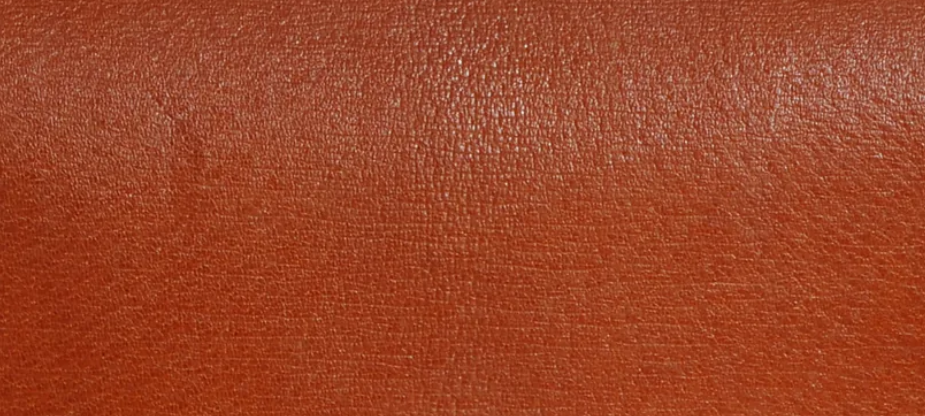
The distinctive characteristics of Hermès Peau Porc Leather set it apart from every other material in the Hermès collection. At first glance, the most notable feature is its unique grain pattern, created by the natural arrangement of hair follicles in groups of three, forming a triangular pattern across the leather’s surface. This creates a texture that is immediately recognizable to those familiar with fine leathers, offering a visual and tactile experience unlike any calf or goat leather in the Hermès range.
The surface texture of Hermès Peau Porc Leather presents a fascinating interplay between smoothness and grain. While the leather undergoes extensive processing to achieve a refined finish, it retains a subtle three-dimensional quality that gives it character and depth. This texture is more pronounced than the fine grain found in Hermès Epsom Leather, yet more refined than the pebbly surface of heavier grained leathers. The result is a leather that feels substantial and luxurious while maintaining a unique visual identity.
Durability stands as one of the most impressive attributes of Hermès Peau Porc Leather. The natural fiber structure of pigskin creates a leather that is remarkably resistant to tearing and stretching, making it ideal for items that see regular use. This inherent strength, combined with Hermès’ superior tanning processes, results in a material that can withstand daily wear while maintaining its appearance over extended periods. The leather’s resistance to deformation means that products made from Peau Porc tend to hold their shape exceptionally well, even with frequent handling.
The aging process of Hermès Peau Porc Leather reveals another dimension of its appeal. Unlike some leathers that develop a dramatic patina, Peau Porc ages with subtle grace, gradually softening while maintaining its structural integrity. The leather may develop a gentle sheen with use, enhancing its natural grain pattern without losing its original character. This controlled aging process makes it particularly suitable for collectors who prefer their pieces to maintain a consistent appearance over time.
Weather resistance is another notable characteristic of Hermès Peau Porc Leather. The dense fiber structure that gives pigskin its strength also provides natural water resistance superior to many other non-treated leathers. While not completely waterproof, Peau Porc handles moisture better than delicate options in the Additional Calf and Cow Leathers category. Light rain or occasional splashes are less likely to cause permanent marking, though proper care remains essential.
The weight and flexibility of Hermès Peau Porc Leather create an ideal balance for luxury goods. Despite its durability, the leather remains surprisingly lightweight, making it comfortable for daily use. Its natural flexibility allows it to be worked into various shapes and designs while maintaining structural stability. This combination of properties has made it a favorite for small leather goods where durability and elegance must coexist in perfect harmony.
Manufacturing Excellence: The Art of Creating Hermès Peau Porc Leather
The transformation of raw pigskin into Hermès Peau Porc Leather represents one of the most technically demanding processes in luxury leather manufacturing. The journey begins with the careful selection of raw materials, where only the finest quality pigskins meeting Hermès’ exacting standards are chosen. These skins are sourced from specific European suppliers who maintain the high standards of animal welfare and quality control that Hermès demands for all its materials.
The tanning process for Hermès Peau Porc Leather requires exceptional skill and patience. Unlike the processes used for more common leathers, pigskin presents unique challenges due to its natural porosity and follicle structure. Hermès employs a combination of traditional vegetable tanning methods and modern chrome tanning techniques, carefully balanced to achieve the desired characteristics. This hybrid approach ensures that the leather retains its natural strength while achieving the suppleness and color retention necessary for luxury applications.
During the preparation phase, each skin undergoes meticulous inspection and grading. The natural grain pattern must be consistent and free from imperfections that could compromise the final product’s appearance. This selection process is far more stringent than that applied to many leathers in the general Classic Main Leathers collection, as the unique characteristics of pigskin leave less room for concealing natural variations.
The finishing process for Hermès Peau Porc Leather involves multiple stages of treatment and refinement. After tanning, the leather receives carefully controlled applications of oils and waxes that enhance its natural properties while providing protection. The surface is then treated with proprietary finishing techniques that create the subtle sheen characteristic of Hermès Peau Porc while preserving the leather’s breathability and flexibility. This delicate balance requires master craftsmen with years of experience working specifically with pigskin.
Quality control throughout the manufacturing process exceeds even Hermès’ typically high standards. Each batch of Hermès Peau Porc Leather undergoes rigorous testing for color consistency, durability, flexibility, and finish quality. The leather must pass multiple inspection points before being approved for use in Hermès workshops. This attention to detail ensures that every piece bearing the Hermès name meets the expectations of the most discerning clientele, regardless of whether it rivals exotic options or classic favorites.
Hermès Bag Models Featuring Peau Porc Leather
While Hermès Peau Porc Leather may not appear as frequently as mainstream options in the brand’s handbag collections, its selective use in specific models has created some of the most intriguing and collectible pieces in Hermès history. The leather’s unique properties make it particularly well-suited for certain bag styles and designs, where its durability and distinctive texture can be fully appreciated.
The Birkin bag, Hermès’ most iconic creation, has occasionally been crafted in Peau Porc Leather, though these examples are considerably rarer than those in Hermès Swift Leather or other popular materials. When used for Birkins, Peau Porc creates a bag with exceptional structure retention and durability, making it ideal for collectors who prioritize functionality alongside luxury. The leather’s natural grain adds visual interest to the clean lines of the Birkin design, creating a piece that stands out in any collection.
Kelly bags in Hermès Peau Porc Leather represent a particularly successful marriage of material and design. The structured nature of the Kelly silhouette benefits from Peau Porc’s ability to maintain sharp lines and resist sagging over time. The leather’s relatively light weight also makes it comfortable for shoulder or hand carry, addressing one common concern with Kelly bags in heavier leathers. These pieces often become conversation starters among Hermès enthusiasts who recognize the rarity and unique appeal of the material.
Perhaps where Hermès Peau Porc Leather truly shines is in the brand’s small leather goods and accessories. The Constance wallet, Bearn wallet, and various agenda covers have been produced in Peau Porc, taking full advantage of the leather’s durability for items that see daily use. The material’s resistance to scratching and marking makes it particularly suitable for these applications, where constant handling could quickly deteriorate lesser leathers.
The Picotin and Garden Party bags have also featured Hermès Peau Porc Leather in limited productions. These more casual styles benefit from the leather’s relaxed yet refined appearance, offering an alternative to the formality of exotic leathers while providing superior durability compared to canvas options. The natural grain of Peau Porc adds sophistication to these understated designs without overwhelming their essential simplicity.
Limited edition and special order pieces in Hermès Peau Porc Leather have become highly sought after by collectors. The rarity of the material, combined with its distinctive appearance, makes these pieces stand out in the secondary market. Unlike mass-produced options, Peau Porc items often represent specific periods in Hermès history or special collaborations, adding to their collectible value. The leather’s unique characteristics ensure that each piece maintains its individual character, making it impossible to replicate exactly even within the same product line.
Color Palette and Variations in Hermès Peau Porc Leather
The color palette available in Hermès Peau Porc Leather reflects both the material’s unique properties and Hermès’ mastery of leather dyeing techniques. Due to the specific structure of pigskin, with its distinctive pore pattern and density, colors appear with a particular depth and richness that differs from how they present on calf or goat leathers. This creates subtle variations that make each color in Peau Porc truly unique within the Hermès spectrum.
Classic colors like Noir (black) and Marron (brown) in Hermès Peau Porc Leather display exceptional depth and consistency. The black achieves a sophisticated matte finish that avoids the high shine of Hermès Box Calf Leather while maintaining rich color saturation. Brown tones, from chocolate to cognac, showcase the natural warmth of the leather, with the grain pattern adding subtle variation that enhances the organic feel of these earth tones.
Hermès’ signature colors take on distinctive characteristics when applied to Peau Porc Leather. The famous Hermès Orange appears slightly more subdued than on smooth leathers, with the grain creating subtle shadows that add complexity to the color. Rouge shades, from deep burgundy to bright red, display particular richness on Peau Porc, with the leather’s natural texture preventing the flat appearance that can sometimes occur with bold colors on uniform surfaces.
Neutral tones including Etoupe, Gris (grey), and Craie (chalk) have proven particularly successful in Hermès Peau Porc Leather. These colors work harmoniously with the leather’s natural grain, creating sophisticated pieces that showcase the material’s texture without overwhelming color distraction. The subtlety of these shades allows the unique characteristics of Peau Porc to take center stage while maintaining the understated elegance Hermès is known for.
Hardware combinations with Hermès Peau Porc Leather require careful consideration to complement the leather’s unique appearance. Gold hardware provides classic elegance, while palladium offers a modern contrast that emphasizes the leather’s contemporary appeal. The rare combination of Peau Porc with brushed hardware creates an particularly sophisticated aesthetic that appeals to collectors seeking something beyond standard combinations.
Care and Maintenance of Hermès Peau Porc Leather
Maintaining Hermès Peau Porc Leather requires understanding its unique properties and adapting care routines accordingly. While inherently durable, this distinctive leather benefits from specific maintenance practices that preserve its appearance and extend its lifespan. The natural structure of pigskin, with its characteristic grain pattern, requires attention to detail in cleaning and conditioning to maintain the leather’s pristine condition over years of use.
Daily care for Hermès Peau Porc Leather begins with proper handling and storage. Unlike more delicate options such as Hermès Swift Leather, Peau Porc can withstand regular use without excessive concern for minor contact. However, avoiding prolonged exposure to direct sunlight remains important, as UV rays can cause color fading over time. When not in use, items should be stored in their dust bags, maintaining shape with appropriate stuffing to prevent creasing.
Cleaning Hermès Peau Porc Leather requires a gentle yet thorough approach. The leather’s textured surface can trap dust and debris within its grain pattern, necessitating regular maintenance to prevent buildup. A soft, dry brush specifically designed for leather care works effectively to remove surface dust without damaging the finish. For deeper cleaning, a slightly damp cloth with specialized leather cleaner designed for pigskin can address more stubborn marks, though excessive moisture should always be avoided.
Conditioning Hermès Peau Porc Leather maintains its suppleness and prevents drying that could lead to cracking. However, the frequency and type of conditioning differ from that required for other Hermès leathers. Peau Porc’s natural oils provide inherent protection, meaning conditioning is needed less frequently than for more absorbent leathers. When conditioning is necessary, products specifically formulated for pigskin ensure compatibility with the leather’s unique structure. Application should be sparse and even, allowing complete absorption before use.
Professional maintenance services offered by Hermès spa treatments provide comprehensive care for Peau Porc items showing signs of wear or requiring restoration. These services include deep cleaning, color refresh, and structural repairs performed by craftsmen familiar with the specific requirements of pigskin leather. Regular professional maintenance every few years can significantly extend the life of Hermès Peau Porc Leather items, ensuring they remain in excellent condition for generations. The investment in professional care proves worthwhile, particularly for rare or valuable pieces in this distinctive material.
Comparing Hermès Peau Porc Leather to Other Hermès Leathers
Understanding how Hermès Peau Porc Leather compares to other options in the Hermès portfolio helps collectors make informed decisions based on their specific needs and preferences. When compared to popular choices like Hermès Togo Leather, Peau Porc offers a completely different tactile and visual experience. While Togo provides a soft, pebbled texture that’s forgiving to scratches, Peau Porc presents a more structured feel with its unique triangular grain pattern that offers superior shape retention.
Against smooth leathers such as Hermès Box Calf Leather, Hermès Peau Porc Leather demonstrates clear advantages in durability and maintenance requirements. Box Calf, while elegantly smooth and formal, shows scratches readily and requires meticulous care. Peau Porc’s textured surface naturally conceals minor marks while maintaining a refined appearance suitable for both casual and formal settings. This practical advantage makes Peau Porc an excellent choice for those seeking luxury without constant maintenance concerns.
When compared to exotic leathers in the Exotic Leather category, Hermès Peau Porc Leather occupies an interesting middle ground. While it lacks the dramatic scales of crocodile or the distinctive quill marks of ostrich, Peau Porc offers its own unique aesthetic at a generally more accessible price point. The leather provides exceptional durability comparable to many exotics without the specialized care requirements or regulatory considerations associated with endangered species materials.
The comparison with other alternative leathers like Hermès Buffalo Leather reveals interesting contrasts. Both materials offer distinctive textures and excellent durability, but Peau Porc generally presents a more refined appearance suitable for formal accessories. Buffalo leather’s rugged character appeals to those seeking a more casual aesthetic, while Peau Porc bridges the gap between casual and formal with its sophisticated grain pattern and consistent finish.
In terms of versatility, Hermès Peau Porc Leather proves remarkably adaptable across different product categories and styles. Unlike specialized leathers that excel in specific applications, Peau Porc performs well in everything from structured handbags to flexible small leather goods. This versatility, combined with its distinctive appearance and practical benefits, positions Peau Porc as an underappreciated option that deserves greater recognition among Hermès enthusiasts seeking something unique yet practical.
Investment Value and Market Position of Hermès Peau Porc Leather
The investment potential of Hermès Peau Porc Leather pieces reflects their rarity and unique position within the Hermès hierarchy. While not commanding the astronomical prices of exotic skins, Peau Porc items often appreciate steadily due to their scarcity and the growing appreciation among collectors for unusual Hermès materials. The limited production of Peau Porc pieces creates a natural supply constraint that supports value retention in the secondary market.
Market trends indicate increasing interest in distinctive Hermès leathers that offer alternatives to mainstream options. As collectors become more sophisticated and seek differentiation in their collections, Hermès Peau Porc Leather has gained recognition as a connoisseur’s choice. This trend parallels the growing appreciation for other uncommon materials in the Additional Calf and Cow Leathers category, where rarity and unique characteristics drive desirability.
The resale value of Hermès Peau Porc Leather items depends on several factors, including model, color, condition, and year of production. Vintage pieces in excellent condition command premium prices, particularly those from limited productions or in discontinued colors. The leather’s natural durability means well-maintained pieces retain their appearance better than more delicate materials, supporting stronger resale values over time. Authentication documentation and original packaging significantly enhance value, as Peau Porc’s relative obscurity can make authentication challenging for less experienced buyers.
Collector demand for Hermès Peau Porc Leather shows interesting patterns, with certain demographics particularly drawn to the material. European and Asian collectors, familiar with pigskin’s heritage in luxury goods, often show greater appreciation for Peau Porc pieces. Additionally, collectors focused on assembling comprehensive representations of Hermès’ leather variety actively seek Peau Porc items to complete their collections. This targeted demand creates strong support for prices in specific market segments.
Looking forward, the investment outlook for Hermès Peau Porc Leather remains positive, driven by its inherent scarcity and growing collector awareness. As Hermès continues to limit production of non-core leathers, existing Peau Porc pieces become increasingly valuable as historical artifacts of the brand’s material exploration. For investors seeking Hermès pieces with growth potential beyond standard offerings, Peau Porc represents an intriguing opportunity combining rarity, quality, and distinctive character.
Authenticating Hermès Peau Porc Leather
Authentication of Hermès Peau Porc Leather requires specialized knowledge due to the material’s relative rarity and distinctive characteristics. The unique grain pattern of authentic Peau Porc, with its characteristic triangular arrangement of pores, serves as a primary authentication marker. This pattern should be consistent across the leather surface, with natural variations that indicate genuine pigskin rather than embossed imitations. Counterfeiters often struggle to replicate this specific texture accurately, making it a reliable indicator of authenticity.
The feel and flexibility of genuine Hermès Peau Porc Leather provide additional authentication clues. Authentic Peau Porc has a distinctive hand-feel that combines strength with suppleness, unlike the stiffness often found in fake pigskin or embossed cow leather attempting to mimic the texture. The leather should show natural variations in thickness and grain density that reflect its organic origin, rather than the uniform appearance of synthetic materials.
Examining construction details and hardware provides crucial authentication evidence. Hermès’ craftsmanship standards apply equally to Peau Porc items, with perfect stitching, precise edge painting, and properly aligned hardware. Date stamps and craftsman marks should correspond to periods when Hermès produced items in Peau Porc, requiring knowledge of the brand’s production history. The relative rarity of Peau Porc means that claims of recent production should be viewed with skepticism unless supported by documentation.
Professional authentication services familiar with Hermès Peau Porc Leather prove invaluable for significant purchases. These experts can identify subtle details that distinguish genuine pieces from sophisticated replicas, providing peace of mind for collectors investing in these rare items. Documentation from reputable authentication services significantly enhances resale value and collector confidence.
Styling Hermès Peau Porc Leather Through the Seasons
The versatility of Hermès Peau Porc Leather makes it an excellent choice for year-round styling, adapting beautifully to seasonal changes and varied occasions. During spring and summer months, lighter colors in Peau Porc complement seasonal wardrobes while the leather’s natural breathability prevents the sticky feeling sometimes associated with other leathers in warm weather. The material’s resistance to moisture makes it particularly practical for unpredictable spring showers.
Autumn and winter styling with Hermès Peau Porc Leather showcases the material’s sophisticated texture against heavier fabrics. Rich browns and deep blues in Peau Porc harmonize beautifully with seasonal colors, while the leather’s durability stands up to harsh weather conditions better than delicate alternatives. The subtle grain pattern adds textural interest to winter ensembles without competing with layered clothing.
For professional settings, Hermès Peau Porc Leather strikes an ideal balance between formality and approachability. The leather’s refined appearance suits boardroom meetings while its durability handles daily commutes and busy schedules. Unlike high-maintenance leathers that require constant attention, Peau Porc maintains its professional appearance throughout demanding workdays, making it ideal for executives and professionals who value both style and practicality.
Conclusion: The Enduring Appeal of Hermès Peau Porc Leather
Hermès Peau Porc Leather represents a fascinating intersection of tradition, innovation, and practical luxury within the Hermès universe. Its unique characteristics – from the distinctive triangular grain pattern to exceptional durability – offer collectors and users an alternative that combines the prestige of Hermès craftsmanship with remarkable functionality. While it may not enjoy the widespread recognition of Togo or the exotic appeal of crocodile, Peau Porc has earned its place as a connoisseur’s choice for those who appreciate subtle distinction and quality.
As the luxury market continues to evolve, with increasing emphasis on sustainability and unique materials, Hermès Peau Porc Leather stands poised for renewed appreciation. Its rarity, combined with growing collector sophistication, suggests that well-preserved pieces will continue gaining value and recognition. For those seeking to build a comprehensive Hermès collection or simply desiring a distinctive piece that exemplifies the brand’s material mastery, Peau Porc offers compelling advantages that extend far beyond its unique appearance to encompass practical benefits and investment potential that rival any material in the Classic Main Leathers portfolio.