
Introduction to Hermès Ostrich Leather Excellence
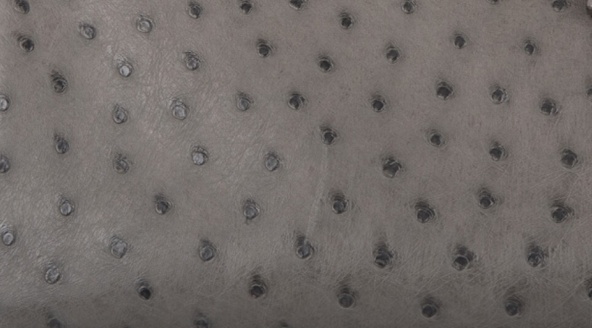
What makes ostrich leather particularly fascinating is its natural variation and character. No two ostrich hides are exactly alike, with each displaying its own unique pattern of quill follicles that create the signature polka-dot effect so beloved by luxury enthusiasts. This natural variation ensures that every Hermès handbag crafted from ostrich leather is genuinely one-of-a-kind, a personal treasure that reflects both the wearer’s sophisticated taste and appreciation for the finest materials nature has to offer.
The Rich History and Heritage of Ostrich Leather at Hermès
The story of Hermès Ostrich Leather begins in the early 20th century when the maison first began experimenting with exotic materials beyond traditional calf and goat leathers. The introduction of ostrich leather to the Hermès repertoire marked a pivotal moment in the brand’s evolution, demonstrating their willingness to embrace the extraordinary while maintaining their uncompromising standards of quality. The initial reception among European aristocracy was overwhelmingly positive, with ostrich leather quickly becoming synonymous with ultimate luxury and refinement.
Throughout the decades, Hermès has refined and perfected their ostrich leather processing techniques, developing proprietary methods that enhance the material’s natural beauty while ensuring exceptional longevity. The 1950s and 1960s saw a particular surge in popularity for ostrich leather accessories, coinciding with the golden age of travel and the rise of international jet-set culture. Celebrities and royalty alike were photographed carrying ostrich leather Hermès bags, cementing the material’s status as a symbol of sophisticated luxury.
The sourcing of ostrich leather for Hermès has always been a carefully controlled process, with the maison establishing long-term relationships with select farms primarily in South Africa, which produces the world’s finest ostrich hides. These partnerships ensure not only the highest quality raw materials but also adherence to strict ethical and environmental standards. Unlike materials such as Hermès Crocodile Leather or Hermès Alligator Leather, ostrich farming has developed into a sustainable industry that provides multiple products beyond leather, making it a more environmentally conscious choice among exotic materials.
The evolution of ostrich leather treatment at Hermès has been marked by continuous innovation. In the 1980s, the maison introduced new dyeing techniques that allowed for an expanded color palette while preserving the leather’s distinctive texture. This breakthrough enabled the creation of vibrant, saturated colors that had previously been impossible to achieve with ostrich leather, opening new creative possibilities for designers and appealing to a younger, more fashion-forward clientele.
Today, Hermès Ostrich Leather continues to represent the pinnacle of exotic leather luxury, with each piece requiring months of preparation from raw hide to finished product. The heritage techniques employed by Hermès artisans, many of which remain closely guarded secrets, ensure that modern ostrich leather products maintain the same exceptional quality that has defined the material for over a century.
Comprehensive Characteristics of Hermès Ostrich Leather
The defining characteristic of Hermès Ostrich Leather is undoubtedly its distinctive quill pattern, created by the follicles where feathers once grew. These raised bumps, arranged in a natural pattern across the hide, create a three-dimensional texture that is both visually striking and wonderfully tactile. The quill bumps are not merely decorative; they contribute to the leather’s exceptional durability and resistance to wear, as they help distribute pressure and prevent creasing in ways that smooth leathers cannot match.
The texture of ostrich leather is remarkably supple despite its exotic appearance. Unlike the rigid structure found in some reptilian leathers, ostrich maintains a flexibility that makes it ideal for handbag construction. This pliability allows the leather to conform gracefully to the bag’s structure while maintaining its shape over decades of use. The leather’s natural oils contribute to its softness, creating a surface that becomes even more beautiful with age as it develops a subtle patina unique to each piece.
One of the most remarkable properties of Hermès Ostrich Leather is its exceptional strength-to-weight ratio. Despite being lighter than many traditional leathers, ostrich is incredibly durable and resistant to cracking or tearing. This durability stems from the unique fiber structure of ostrich skin, which features a complex network of collagen fibers that provide both strength and elasticity. When compared to smooth leathers like Hermès Swift Leather or Hermès Box Calf Leather, ostrich demonstrates superior resistance to scratching and scuffing, making it an excellent choice for frequently used luxury items.
The aging process of ostrich leather is particularly fascinating. Unlike some materials that deteriorate with time, properly cared for ostrich leather actually improves with age. The natural oils in the leather continue to condition the material from within, while gentle use creates a beautiful sheen that enhances the quill pattern. This aging process is entirely different from that of grained leathers like Hermès Togo Leather, which maintains a more consistent appearance over time.
Weather resistance is another notable characteristic of Hermès Ostrich Leather. While not entirely waterproof, ostrich leather naturally repels water better than many other exotic leathers. The raised quill bumps help water bead and roll off the surface, providing some protection against light rain. However, this does not mean the leather is impervious to water damage, and proper care must still be taken to protect ostrich leather items from prolonged exposure to moisture.
The breathability of ostrich leather is an often-overlooked quality that contributes to its comfort and longevity. The porous nature of the material allows air circulation, preventing the buildup of moisture that can lead to deterioration in less breathable materials. This characteristic makes ostrich leather particularly well-suited for accessories that come into frequent contact with the skin.
Manufacturing Excellence: The Hermès Ostrich Leather Process
The journey of creating Hermès Ostrich Leather begins with the meticulous selection of raw hides. Only the finest quality ostrich skins, primarily sourced from specialized farms in South Africa’s Klein Karoo region, meet Hermès’ exacting standards. The selection process involves careful inspection for any imperfections, ensuring consistent quill patterns, and verifying the appropriate thickness and size for luxury handbag production. This initial selection eliminates approximately 70% of available hides, demonstrating the maison’s commitment to using only the absolute finest materials.
The tanning process for ostrich leather at Hermès facilities is a closely guarded art that combines traditional techniques with modern technology. The process begins with careful cleaning and preparation of the raw hides, removing any remaining tissue while preserving the integrity of the quill follicles. The hides then undergo a specialized tanning process using a proprietary blend of vegetable and mineral tanning agents, a method that can take several weeks to complete compared to the rapid chrome tanning used for lesser quality leathers.
Color application to ostrich leather requires exceptional skill and patience. The unique texture of the quill bumps means that dye must be applied in multiple thin layers to achieve even coverage while maintaining the leather’s natural character. Hermès artisans use hand-padding techniques for many colors, especially the more complex shades that require subtle gradations. This process is significantly more time-intensive than dyeing smooth leathers from the Classic Main Leathers collection, but the results justify the extra effort.
The finishing process for Hermès Ostrich Leather involves several stages of conditioning and polishing. Special waxes and oils are applied to enhance the leather’s natural luster and provide additional protection against the elements. The quill bumps receive particular attention during this stage, with artisans ensuring each raised area has the perfect sheen that will catch light beautifully. This attention to detail sets Hermès ostrich leather apart from competitors and contributes to its legendary status.
Quality control throughout the manufacturing process is rigorous and uncompromising. Each hide undergoes multiple inspections at various stages, with trained experts examining every square centimeter for any signs of imperfection. Even the slightest flaw results in rejection, ensuring that only perfect pieces make their way to Hermès workshops for crafting into finished products. This level of quality control is consistent with the standards applied to other exotic materials like Hermès Lizard Leather, maintaining the brand’s reputation for excellence.
Hermès Bag Models Crafted in Ostrich Leather
The Hermès Birkin bag in ostrich leather represents the ultimate expression of luxury and craftsmanship. Available in sizes ranging from the petite Birkin 25 to the travel-ready Birkin 40, ostrich leather brings a unique character to this iconic design. The structured nature of the Birkin silhouette provides the perfect canvas for showcasing the distinctive quill pattern, with the front panel offering an uninterrupted display of the leather’s natural beauty. The way light plays across the raised bumps creates a dynamic visual effect that changes with movement, making each Birkin in ostrich leather a truly mesmerizing piece.
The Kelly bag in Hermès Ostrich Leather offers a more formal interpretation of this exotic material. The Kelly’s elegant trapezoid shape and single handle design create a sophisticated framework that highlights the leather’s luxurious texture. The Retourne (relaxed) construction in ostrich leather creates a softer, more casual appearance, while the Sellier (rigid) construction emphasizes the leather’s structural qualities. Both styles have their devoted followers, with collectors often acquiring both to enjoy the full range of ostrich leather’s versatility.
The Constance bag showcases ostrich leather in a more contemporary context. The clean lines and prominent H closure of the Constance provide a modern backdrop for the traditional luxury of ostrich leather. The shoulder strap, also crafted in ostrich when available, creates a cohesive look that emphasizes the material’s flexibility and durability. The Constance in ostrich leather has become particularly popular among younger collectors who appreciate the combination of classic materials and modern design.
Lesser-known but equally stunning models include the Lindy in ostrich leather, where the slouchy, casual design creates an interesting contrast with the exotic material’s inherent formality. The Evelyne, typically a more understated design, becomes a statement piece when crafted in ostrich leather, transforming an everyday bag into something extraordinary. The Picotin, with its simple bucket shape, allows the ostrich leather to speak for itself without competing design elements.
Special and limited edition pieces in ostrich leather often become the highlights of Hermès collections. The maison occasionally creates unique combinations, such as ostrich leather paired with Hermès Crocodile Leather or traditional calf leather in striking color combinations. These pieces, often created for special orders or VIP clients, demonstrate the versatility of ostrich leather and its ability to complement other luxury materials.
The Bolide bag in ostrich leather deserves special mention as one of the first Hermès designs to feature a zipper closure. The rounded shape of the Bolide provides an interesting canvas for the quill pattern, with the curved surfaces creating subtle variations in how the texture is displayed. The combination of the bag’s aviation-inspired design heritage and the exotic luxury of ostrich leather creates a unique aesthetic that appeals to collectors who appreciate both history and innovation.
The Spectacular Color Palette of Hermès Ostrich Leather
The color possibilities for Hermès Ostrich Leather are virtually limitless, with the material’s unique texture adding depth and dimension to every shade. Classic neutrals like Noir (black), Chocolat (chocolate brown), and Etoupe (taupe-gray) remain perennial favorites, with the quill bumps creating subtle tonal variations that add visual interest to these seemingly simple colors. The way these neutral shades catch and reflect light transforms what might be considered basic colors into something truly extraordinary.
Vibrant colors take on a particularly spectacular appearance in ostrich leather. Rouge Casaque (bright red), Bleu Electrique (electric blue), and Rose Shocking (hot pink) showcase the material’s ability to hold intense, saturated colors while maintaining the visibility of the quill pattern. These bold shades are often produced in limited quantities, making them highly sought after by collectors who appreciate both rarity and visual impact.
Pastel shades in ostrich leather offer a softer interpretation of exotic luxury. Colors like Rose Sakura (cherry blossom pink), Bleu Pale (pale blue), and Jaune Poussin (chick yellow) create a delicate, feminine aesthetic that appeals to those who prefer understated elegance. The raised texture of the quill bumps adds dimension to these gentle colors, preventing them from appearing flat or washed out as might happen with smooth leathers.
Hermès regularly introduces seasonal and limited edition colors in ostrich leather, often inspired by nature, art, or cultural themes. These special colors, produced in extremely limited quantities, can become instant classics among collectors. Recent years have seen stunning shades like Vert Criquet (cricket green), Bordeaux (wine red), and Gris Perle (pearl gray) that demonstrate the maison’s continued innovation in color development.
The interaction between hardware finishes and ostrich leather colors requires careful consideration. Gold hardware creates a warm, classic look that particularly complements earth tones and warm colors, while palladium hardware offers a modern, cool aesthetic that pairs beautifully with blues, grays, and blacks. Rose gold hardware, a more recent addition to the Hermès repertoire, creates stunning combinations with both neutral and pastel ostrich leathers.
Comprehensive Care and Maintenance Guide
Proper care of Hermès Ostrich Leather begins with understanding its unique properties and requirements. Daily maintenance should include gentle dusting with a soft, dry cloth to remove any surface particles that might settle in the crevices around the quill bumps. Unlike smooth leathers that can be quickly wiped clean, ostrich leather requires more careful attention to ensure dirt doesn’t accumulate in the textured surface. A soft-bristled brush, specifically designed for exotic leathers, can be invaluable for maintaining the cleanliness of the quill pattern.
Conditioning ostrich leather requires a delicate touch and the right products. Hermès recommends using only products specifically formulated for exotic leathers, as standard leather conditioners may be too heavy or contain ingredients that could damage the delicate quill structure. Apply conditioner sparingly with a soft cloth, working in circular motions to ensure even coverage while avoiding over-saturation. The frequency of conditioning depends on climate and use, but generally, twice-yearly conditioning is sufficient for most ostrich leather items.
Storage of ostrich leather items is crucial for maintaining their beauty and structure. Always store Hermès Ostrich Leather bags in their original dust bags, stuffed with acid-free tissue paper to maintain shape. Avoid plastic storage bags, which can trap moisture and lead to mildew or deterioration. The storage area should be cool, dry, and away from direct sunlight, which can fade colors and dry out the leather. Unlike some leathers such as Hermès Barenia Leather that develop patina with exposure, ostrich leather should be protected from excessive light to maintain its original color.
Handling water exposure requires immediate but calm action. If ostrich leather gets wet, gently blot excess water with a soft, absorbent cloth without rubbing, which could damage the quill bumps. Allow the leather to dry naturally at room temperature, away from heat sources that could cause cracking or warping. Once completely dry, a light conditioning may be necessary to restore suppleness. For significant water damage, professional restoration is always recommended.
Professional cleaning and restoration services should be considered an investment in preserving the value and beauty of ostrich leather items. Hermès offers specialized spa services for their products, with craftsmen trained specifically in exotic leather care. These professionals can address issues like deep cleaning, color restoration, and structural repairs that would be impossible to handle at home. Regular professional maintenance, perhaps every two to three years depending on use, can significantly extend the life and beauty of ostrich leather pieces.
Preventing damage is always preferable to restoration. Keep ostrich leather away from sharp objects that could puncture or scratch the surface. Be mindful of jewelry, particularly rings and bracelets, which can catch on the raised quill bumps. When carrying an ostrich leather bag, be conscious of rough surfaces and avoid placing the bag on the ground where it might pick up dirt or moisture.
Detailed Comparisons with Other Hermès Leathers
When comparing Hermès Ostrich Leather to other exotic options, the distinctions become particularly interesting. Against Hermès Niloticus Crocodile Leather, ostrich offers a more uniform texture with its regular quill pattern, while crocodile presents a more varied scale pattern that includes both large and small scales. Ostrich is generally lighter in weight and more flexible, making it more comfortable for everyday use, while crocodile offers a more formal, structured appearance that some collectors prefer for special occasions.
The comparison with Hermès Alligator Mississippiensis Leather reveals interesting contrasts in both aesthetics and practicality. Alligator leather features a more geometric scale pattern with a distinctive umbilical scar that serves as an authentication mark. While alligator is considered the pinnacle of exotic luxury by many, ostrich leather offers better durability for daily use and requires less specialized care. The price point for ostrich leather, while still substantial, is generally more accessible than alligator, making it an excellent entry point into the world of Hermès exotics.
When evaluated against classic Hermès leathers, ostrich occupies a unique position. Compared to the popular Hermès Clemence Leather, ostrich offers a more distinctive appearance and better scratch resistance, though Clemence provides a softer, more relaxed structure. The maintenance requirements for ostrich are more demanding than for Clemence, but the visual impact and exclusivity of ostrich leather often justify the extra care for collectors who want something truly special.
The textural qualities of ostrich leather set it apart from smooth options like Hermès Epsom Leather. While Epsom offers excellent structure retention and is virtually maintenance-free, it lacks the organic, luxurious feel of ostrich. The rigid nature of Epsom creates a very different aesthetic from the supple, dimensional quality of ostrich leather. For collectors, the choice often comes down to whether they prioritize practicality or exotic appeal.
In terms of durability and longevity, ostrich leather compares favorably to most Hermès leathers. Its natural oil content provides ongoing conditioning, similar to the self-maintaining properties of Barenia leather but without the dramatic patina development. The raised quill bumps actually protect the base leather from wear, distributing pressure and preventing the creasing that can affect smooth leathers over time. This makes ostrich an excellent choice for collectors who want an exotic leather that can withstand regular use.
Investment Value and Market Analysis
The investment potential of Hermès Ostrich Leather pieces has proven exceptionally strong over the past decade, with certain colors and models appreciating significantly beyond their original retail prices. Market data indicates that ostrich leather bags from Hermès consistently outperform standard leather options in the secondary market, with rare colors and discontinued models commanding particularly impressive premiums. This appreciation is driven by the limited production of ostrich leather pieces compared to traditional leathers, combined with growing global demand for exotic luxury goods.
Color selection plays a crucial role in determining investment value. While classic colors like black and neutral tones maintain steady value and liquidity in the resale market, it’s often the unusual and limited edition colors that see the most dramatic appreciation. Vibrant shades that were produced for only one or two seasons can become highly coveted by collectors, sometimes doubling or tripling in value within a few years of purchase. This phenomenon is particularly pronounced with ostrich leather, where the texture adds an extra dimension to special colors.
The size and model of ostrich leather bags significantly impact their investment potential. Birkin 25 and 30 sizes in ostrich leather are currently experiencing strong demand, particularly from Asian markets where smaller bags are preferred. Kelly bags in ostrich leather, especially in the Sellier construction, have shown consistent appreciation due to their relative rarity. Limited production models or special orders in ostrich leather can command extraordinary premiums, sometimes reaching multiples of their original price.
Market trends indicate a growing appreciation for exotic leathers among younger collectors, particularly those who view luxury handbags as alternative investments. This demographic shift has contributed to increased demand for ostrich leather pieces, which offer an entry point into exotic leathers at a more accessible price point than crocodile or alligator. The rise of authentication services and online resale platforms has also increased market transparency and liquidity, making ostrich leather bags more attractive as investment pieces.
The provenance and condition of ostrich leather pieces significantly impact their value retention. Bags with complete sets including original receipts, boxes, and dust bags command premium prices. The condition of the quill bumps is particularly scrutinized, as damage to these distinctive features can significantly impact value. However, well-maintained vintage ostrich leather pieces from Hermès can achieve remarkable prices, particularly if they represent discontinued colors or models.
Authentication Guidelines for Hermès Ostrich Leather
Authenticating Hermès Ostrich Leather requires careful examination of multiple elements unique to this exotic material. The quill pattern itself serves as a primary authentication point, with genuine Hermès ostrich displaying naturally irregular spacing and sizing of the quill bumps. Counterfeit ostrich often shows suspiciously uniform patterns or may use embossed leather attempting to replicate the texture. The feel of authentic ostrich quill bumps is distinctive – they should be firmly attached yet slightly yielding to pressure, never hard or plastic-like.
The quality of leather between the quill bumps provides another crucial authentication marker. Genuine Hermès ostrich leather maintains a consistent, fine grain throughout, with no signs of coating or artificial texturing. The leather should feel supple and natural, with a subtle sheen that comes from proper tanning and finishing rather than artificial treatments. Under magnification, authentic ostrich leather shows a complex network of pores and natural variations that are impossible to replicate accurately in synthetic materials.
Hardware and construction details on ostrich leather pieces must meet Hermès’ exacting standards. The stitching should be perfectly even and straight, with the thread tension adjusted specifically for ostrich leather’s unique properties. The edge paint or edge coating should be smooth and even, without any signs of chipping or irregular application. Date stamps and craftsman stamps should be clear and properly positioned, using the correct format for the production year.
Documentation and provenance become particularly important with exotic leathers like ostrich. Genuine Hermès ostrich leather pieces should have appropriate CITES documentation if required for international trade. The invoice or receipt should clearly specify ostrich leather (often abbreviated as “Autruche” in French), and the price should reflect the premium nature of the material. Be wary of ostrich leather pieces priced significantly below market value, as this often indicates counterfeit goods.
Styling Hermès Ostrich Leather Through the Seasons
Spring styling with Hermès Ostrich Leather embraces the season’s renewal with lighter colors and playful combinations. Pastel ostrich leather bags pair beautifully with flowing fabrics and floral prints, creating an elegant contrast between exotic texture and romantic style. The dimensional quality of ostrich leather adds interest to simple spring outfits, elevating a basic white dress or linen suit to something special. For evening spring events, a bright colored ostrich clutch provides the perfect pop of luxury against neutral cocktail attire.
Summer presents unique opportunities to showcase ostrich leather’s versatility. Despite its exotic status, ostrich leather works surprisingly well with casual summer style when chosen in the right colors. A tan or cognac ostrich Evelyne worn crossbody complements resort wear perfectly, while a white or cream ostrich Kelly adds sophistication to summer business attire. The textural interest of ostrich leather provides visual weight that balances the lighter fabrics typical of summer wardrobes.
Autumn styling allows ostrich leather to truly shine, with rich burgundies, deep browns, and forest greens complementing the season’s palette perfectly. The texture of ostrich leather echoes the layered, tactile nature of fall fashion, pairing beautifully with cashmere, wool, and suede. An ostrich Birkin in a jewel tone serves as a stunning accessory for autumn’s more structured silhouettes, while maintaining enough presence to hold its own against heavier outerwear.
Winter styling with ostrich leather requires balancing the material’s exotic appeal with season-appropriate practicality. Deep, saturated colors like noir or navy in ostrich leather provide sophisticated contrast against winter’s often monochromatic palette. The raised texture of the quill pattern adds visual interest to outfits heavy with smooth materials like leather coats and silk scarves, creating depth and dimension in winter ensembles.
Conclusion: The Enduring Appeal of Hermès Ostrich Leather
Hermès Ostrich Leather represents far more than just an exotic material choice; it embodies the perfect synthesis of natural beauty, artisanal craftsmanship, and timeless luxury. The distinctive quill pattern that makes each piece unique, combined with the material’s remarkable durability and versatility, ensures that ostrich leather will continue to captivate collectors and fashion enthusiasts for generations to come. As we’ve explored throughout this comprehensive guide, the appeal of ostrich leather extends beyond mere aesthetics to encompass practical benefits, investment potential, and the intangible satisfaction of owning something truly extraordinary.
The future of Hermès Ostrich Leather looks exceptionally bright, with continued innovation in tanning techniques and color development promising even more spectacular options for discerning collectors. As sustainability becomes increasingly important in luxury fashion, ostrich leather’s position as a byproduct of food production gives it an advantage over other exotic materials. For those considering their first exotic leather purchase or seasoned collectors looking to expand their collection, Hermès Ostrich Leather offers an unparalleled combination of beauty, durability, and value retention that makes it a wise choice both aesthetically and financially.
Whether you’re drawn to the classic elegance of a black ostrich Kelly or the bold statement of a bright Birkin, understanding and appreciating the unique qualities of Hermès Ostrich Leather enhances the ownership experience. This remarkable material, transformed by Hermès’ incomparable craftsmanship, continues to set the standard for exotic leather luxury in the modern world. For those who appreciate the finest things in life, Hermès Ostrich Leather remains an enduring symbol of sophistication, quality, and timeless style.