
Introduction to Hermès Milo Leather
History and Heritage of Hermès Milo Leather
The story of Hermès Milo Leather is intrinsically woven into the rich tapestry of Hermès’ leather innovation history. Introduced during a period when the house was expanding its leather offerings to meet the evolving tastes of its sophisticated clientele, Milo leather emerged as a response to the demand for materials that could offer both elegance and everyday functionality. The development of this leather reflects Hermès’ commitment to continuous innovation while maintaining respect for traditional craftsmanship methods that have defined the brand since 1837.
The naming convention of Milo leather follows Hermès’ tradition of bestowing distinctive appellations upon their materials, often drawing inspiration from places, people, or characteristics that embody the essence of the leather. In the case of Milo, the name evokes a sense of classical refinement and timeless appeal, qualities that are immediately apparent when one encounters this exceptional material. The leather’s introduction marked a significant moment in Hermès’ ongoing quest to provide their clientele with an ever-expanding palette of luxury materials.
Throughout its history, Hermès Milo Leather has been utilized across various collections and limited editions, though it has never achieved the widespread recognition of materials like Hermès Togo Leather or Hermès Clemence Leather. This relative rarity has only enhanced its appeal among collectors who prize exclusivity and appreciate the opportunity to own pieces crafted from less common Hermès materials. The leather’s journey from introduction to its current status reflects the evolving preferences of luxury consumers and Hermès’ ability to anticipate and respond to these changing desires.
The evolution of Milo leather production techniques over the years demonstrates Hermès’ dedication to perfection. While maintaining the core characteristics that define the material, subtle refinements in tanning processes and finishing techniques have been implemented to enhance durability and aesthetic appeal. These improvements, though imperceptible to the casual observer, represent countless hours of research and development by Hermès’ master craftsmen and leather specialists. The result is a material that honors its heritage while meeting the exacting standards of contemporary luxury.
Comprehensive Characteristics of Hermès Milo Leather
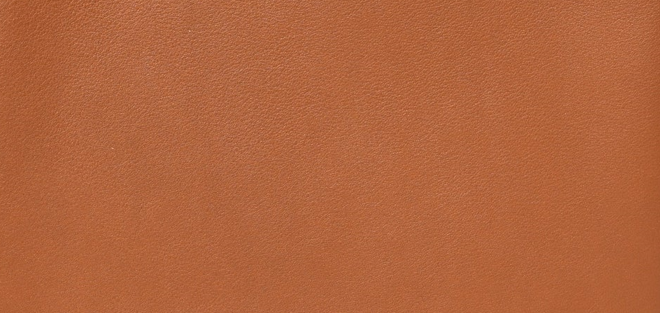
Hermès Milo Leather presents a fascinating study in texture and visual appeal, distinguished by its smooth surface that carries a subtle sheen without appearing overly glossy. The grain pattern of Milo leather is particularly refined, featuring a tight, consistent texture that speaks to the quality of the raw materials and the expertise involved in its production. This fine grain creates a sophisticated canvas that beautifully showcases Hermès’ renowned color palette, allowing hues to appear rich and dimensional while maintaining a sense of understated luxury that appeals to those with discerning taste.
The tactile experience of Hermès Milo Leather is equally impressive, offering a supple hand-feel that strikes an ideal balance between structure and flexibility. Unlike some of the firmer options in the Additional Calf and Cow Leathers category, Milo leather possesses a natural suppleness that makes it comfortable to carry while still maintaining the shape integrity essential for structured handbags. This characteristic places it in an interesting position relative to other Hermès leathers, sharing some qualities with the beloved Swift leather while maintaining its own unique properties.
Durability is a cornerstone characteristic of Hermès Milo Leather, with the material demonstrating excellent resistance to daily wear while developing an attractive patina over time. The leather’s surface, while smooth, shows good resistance to minor scratches and scuffs, though it requires more careful handling than heavily grained options like Togo or Clemence. This durability factor makes Milo leather particularly suitable for collectors who appreciate bags that age gracefully, developing character and individuality through years of careful use.
The weight characteristics of Milo leather position it as a medium-weight option within the Hermès leather spectrum. This optimal weight distribution makes it particularly suitable for larger bag styles where excessive weight could become cumbersome, while still providing enough substance to maintain the luxurious feel expected from Hermès products. When compared to lighter options like Hermès Swift Leather or heavier alternatives like Clemence, Milo occupies a practical middle ground that appeals to many users.
Weather resistance is another important consideration when evaluating Hermès Milo Leather. While not entirely waterproof, the leather demonstrates reasonable resistance to light moisture when properly treated and maintained. However, like most smooth Hermès leathers, it requires protection from heavy rain and should be dried carefully if exposed to water. This characteristic is similar to other refined calf leathers in the Hermès collection, necessitating a degree of care but rewarding owners with enduring beauty when properly maintained.
The aging process of Milo leather is particularly noteworthy, as it develops a subtle patina that enhances rather than detracts from its appearance. Over time, the leather softens slightly while maintaining its structural integrity, and the surface develops a gentle luster that speaks to years of careful ownership. This evolution is one of the most cherished aspects of owning Hermès Milo Leather pieces, as each bag becomes increasingly unique and personal to its owner through the natural aging process.
Manufacturing Excellence and Craftsmanship
The creation of Hermès Milo Leather begins with the meticulous selection of raw materials, a process that exemplifies Hermès’ uncompromising commitment to quality. Only the finest hides are chosen for transformation into Milo leather, with each piece undergoing rigorous inspection to ensure it meets the exacting standards required for Hermès production. The selection process considers multiple factors including grain consistency, thickness uniformity, and the absence of natural markings that could compromise the leather’s refined appearance. This initial selection phase is crucial, as it determines the ultimate quality and characteristics of the finished leather.
The tanning process employed for Hermès Milo Leather represents centuries of accumulated expertise refined through modern innovation. The specific tanning methods used for Milo leather are closely guarded secrets, but the process involves multiple stages of treatment that imbue the leather with its distinctive characteristics. The tanning agents and techniques are carefully calibrated to achieve the perfect balance of suppleness and structure that defines Milo leather. This process, which can take several weeks to complete, cannot be rushed without compromising quality, reflecting Hermès’ philosophy that true luxury cannot be hastened.
Following the tanning phase, Milo leather undergoes a sophisticated finishing process that enhances its natural beauty while providing protection against the elements. The finishing treatments applied to Milo leather are designed to create its characteristic smooth surface and subtle sheen without masking the natural grain of the leather. This delicate balance requires the expertise of master craftsmen who understand how different treatments will affect the leather’s appearance and performance over time. The finishing process also includes the application of protective treatments that enhance the leather’s resistance to staining and water damage while maintaining its breathability and natural feel.
Quality control measures throughout the manufacturing process ensure that every piece of Hermès Milo Leather meets the house’s legendary standards. Multiple inspection points are integrated into the production process, with experienced artisans examining the leather at various stages of completion. Any pieces that show even minor imperfections are rejected, maintaining the exceptional quality that Hermès customers expect. This rigorous quality control system, while resulting in higher production costs and limited availability, ensures that Milo leather maintains its position as a premium material worthy of the Hermès name.
The transformation of Milo leather into finished products requires the skills of Hermès’ most accomplished artisans. Working with Milo leather demands particular expertise, as its smooth surface and refined nature require precise cutting and careful handling throughout the construction process. The craftsmen who work with Milo leather must understand its unique properties and adjust their techniques accordingly, ensuring that each stitch, fold, and edge treatment enhances rather than detracts from the leather’s inherent beauty. This level of craftsmanship is what distinguishes authentic Hermès pieces from imitations and justifies the premium pricing of these exceptional creations.
Hermès Bag Models in Milo Leather
The iconic Birkin bag rendered in Hermès Milo Leather represents a sophisticated interpretation of this legendary design. The smooth, refined surface of Milo leather lends itself particularly well to the Birkin’s structured silhouette, creating a look that is both classic and contemporary. The leather’s moderate weight makes it especially suitable for larger Birkin sizes, such as the 35cm and 40cm models, where the additional structure provided by Milo leather helps maintain the bag’s distinctive shape without adding excessive weight. Collectors particularly appreciate Birkin bags in Milo leather for their ability to transition seamlessly from casual daytime use to more formal evening occasions.
Kelly bags in Hermès Milo Leather showcase the material’s versatility and elegance to exceptional effect. The leather’s smooth surface provides an ideal canvas for the Kelly’s architectural lines and precise construction, while its subtle sheen adds a touch of sophistication that enhances the bag’s inherently formal character. The Retourne construction in Milo leather creates a softer, more relaxed interpretation of the Kelly, while the Sellier style emphasizes the leather’s ability to hold sharp, defined edges. Both constructions have their devoted followers, with many collectors seeking to acquire Kelly bags in Milo leather in both styles to fully appreciate the material’s range.
The Constance bag in Milo leather offers a particularly striking combination of modern design and classic material. The leather’s smooth surface provides the perfect backdrop for the Constance’s signature H clasp, while its refined texture complements the bag’s clean lines and minimalist aesthetic. Milo leather’s characteristics make it ideal for the Constance’s structured design, maintaining the bag’s distinctive shape while developing an attractive patina with use. The material’s durability ensures that the Constance’s flap, which sees frequent use, maintains its appearance over time, making it a practical choice for this popular style.
Smaller leather goods and accessories in Hermès Milo Leather demonstrate the material’s versatility across different product categories. Wallets, card holders, and agenda covers in Milo leather are particularly prized for their refined appearance and practical durability. The leather’s smooth surface makes it ideal for items that are frequently handled, as it resists the accumulation of dirt and oils better than more textured alternatives. These smaller pieces often serve as entry points for collectors interested in experiencing Milo leather before investing in larger bags, and they showcase the material’s ability to maintain its elegance even in compact formats.
The Evelyne bag in Milo leather presents an interesting study in contrasts, combining the bag’s casual, crossbody design with the refined nature of the leather. While less common than Evelyne bags in more casual leathers like Hermès Clemence Leather, those crafted in Milo leather offer a unique take on this popular style. The smooth surface of Milo leather gives the Evelyne a more polished appearance, making it suitable for a broader range of occasions while maintaining the bag’s essential functionality and comfort.
Limited edition and special order pieces in Hermès Milo Leather represent some of the most coveted items among serious collectors. The leather’s relative rarity makes it a popular choice for bespoke commissions through Hermès’ special order program, where clients can specify unique color combinations and hardware options. These special pieces often combine Milo leather with other materials, such as exotic skins or contrasting leathers like Hermès Chèvre Mysore Leather, creating unique designs that showcase the versatility and beauty of this exceptional material.
Color Palette and Variations
The color rendering capabilities of Hermès Milo Leather are truly exceptional, with the smooth surface and fine grain allowing colors to appear with remarkable depth and richness. Classic Hermès colors such as Noir, Gold, and Étoupe take on a particularly sophisticated appearance in Milo leather, with the material’s subtle sheen adding dimension to these timeless hues. The leather’s surface characteristics allow for excellent color saturation, resulting in shades that appear vibrant yet refined, never garish or overwhelming. This quality makes Milo leather an excellent choice for those who appreciate the nuanced color work for which Hermès is renowned.
Seasonal and limited edition colors in Hermès Milo Leather often become instant classics among collectors. The leather’s ability to showcase both bold and subtle hues with equal effectiveness makes it a favorite canvas for Hermès’ color artists. Vibrant shades like Rose Shocking or Vert Véronèse appear particularly striking in Milo leather, while more subdued tones such as Gris Tourterelle or Bleu Nuit showcase the material’s ability to convey sophisticated elegance. The way light plays across the smooth surface of Milo leather adds an additional dimension to these colors, creating subtle variations in appearance depending on viewing angle and lighting conditions.
Hardware combinations with Hermès Milo Leather offer extensive possibilities for customization and personal expression. The leather’s refined appearance pairs beautifully with both gold and palladium hardware, with each option creating a distinctly different aesthetic. Gold hardware emphasizes the warm undertones present in many Milo leather colors, creating a classic, luxurious look that appeals to traditional Hermès enthusiasts. Palladium hardware, conversely, provides a more contemporary feel, particularly striking when paired with cooler color tones or classic black Milo leather.
The interaction between Milo leather and different Hermès dye techniques results in unique visual effects that distinguish pieces crafted from this material. The leather’s smooth surface allows for precise color application, enabling the creation of special effects and treatments that might not be possible with more heavily textured leathers. This characteristic has made Milo leather a favorite choice for special editions and artistic collaborations, where precise color control is essential to achieving the designer’s vision.
Care and Maintenance Guidelines
Proper care of Hermès Milo Leather begins with understanding its specific requirements and vulnerabilities. Daily maintenance should include gentle dusting with a soft, dry cloth to remove surface particles that could potentially cause scratching or dulling of the leather’s natural sheen. Unlike more textured leathers that can hide minor imperfections, the smooth surface of Milo leather requires consistent attention to maintain its pristine appearance. Regular inspection for signs of wear or damage allows for early intervention, preventing minor issues from developing into more serious problems that could compromise the leather’s integrity.
Cleaning Hermès Milo Leather requires a delicate touch and appropriate products specifically formulated for smooth, high-quality leathers. When surface cleaning becomes necessary, use a slightly damp cloth with distilled water, working in gentle circular motions to lift dirt without saturating the leather. For more thorough cleaning, specialized leather cleaners designed for smooth calf leather should be applied sparingly and tested first on an inconspicuous area. The cleaning process should always be followed by complete drying and conditioning to maintain the leather’s suppleness and prevent cracking or drying.
Conditioning Milo leather is essential for maintaining its characteristic suppleness and preventing premature aging. High-quality leather conditioners should be applied every three to six months, depending on use frequency and environmental conditions. The conditioning process not only nourishes the leather but also helps maintain its natural protective barriers against moisture and staining. When applying conditioner, use a soft cloth and work in small sections, allowing the product to absorb fully before buffing to restore the leather’s subtle sheen. This regular conditioning routine is particularly important for Milo leather, as its smooth surface can show signs of dryness more readily than textured alternatives.
Storage considerations for Hermès Milo Leather items are crucial for maintaining their condition during periods of non-use. Bags should be stuffed with acid-free tissue paper or bubble wrap to maintain their shape, and stored in their original dust bags in a cool, dry environment away from direct sunlight. The storage area should have consistent temperature and humidity levels, as extreme fluctuations can cause the leather to crack or develop mold. Unlike some other Hermès leathers that are more forgiving of storage conditions, Milo leather benefits from careful attention to storage environment, similar to the requirements for Hermès Box Calf Leather.
Professional maintenance services play a vital role in preserving Hermès Milo Leather pieces over the long term. Annual professional cleaning and conditioning by Hermès-certified craftsmen can address issues that regular home maintenance cannot resolve. These professionals have access to specialized products and techniques that can restore the leather’s original appearance and address problems such as color fading, water stains, or minor scratches. The investment in professional maintenance is particularly worthwhile for Milo leather pieces, as their smooth surface and refined nature benefit greatly from expert care.
Comparisons with Other Hermès Leathers
When comparing Hermès Milo Leather to the ever-popular Togo leather, several distinctive differences emerge that help collectors understand each material’s unique position in the Hermès hierarchy. While Togo features a pronounced grain that provides excellent scratch resistance and a more casual appearance, Milo leather offers a smoother, more refined surface that appeals to those seeking understated elegance. The textural difference between these leathers is immediately apparent to both sight and touch, with Milo’s finer grain creating a more formal aesthetic compared to Togo’s relaxed character. Both leathers share excellent durability characteristics, though they achieve this through different means—Togo through its textured surface that naturally conceals wear, and Milo through its carefully calibrated tanning and finishing processes.
The relationship between Hermès Milo Leather and Hermès Swift Leather is particularly interesting, as both occupy similar positions in terms of surface smoothness and refinement. Swift leather, known for its incredibly soft hand-feel and ability to absorb colors brilliantly, shares Milo’s smooth surface characteristics but differs in weight and structure. Milo leather generally offers more structural integrity than Swift, making it better suited for bags that require shape retention without additional reinforcement. While Swift is prized for its buttery softness, Milo provides a firmer hand that some collectors prefer for its ability to maintain the crisp lines of structured bag designs.
Compared to exotic options like Hermès Crocodile Leather, Milo leather represents a more accessible yet still luxurious alternative. While exotic skins offer unparalleled visual impact and exclusivity, Milo leather provides greater versatility for everyday use without the stringent care requirements of exotic materials. The smooth surface of Milo can achieve a level of refinement that approaches exotic skins in terms of elegance, while offering practical advantages such as weather resistance and ease of maintenance. This positioning makes Milo leather an excellent choice for collectors who desire sophistication without the challenges associated with exotic skin ownership.
Within the category of smooth calf leathers, Milo occupies an interesting position relative to options like Hermès Jonathan Leather and Hermès Madame Leather. These leathers, while sharing some surface characteristics with Milo, each possess unique qualities that distinguish them within the Hermès portfolio. Jonathan leather, for instance, tends to have a slightly different grain pattern and finish, while Madame leather offers its own distinctive combination of smoothness and structure. Understanding these subtle differences helps collectors make informed decisions based on their specific preferences and intended use.
The comparison between Milo and heritage leathers like Hermès Barenia Leather highlights the evolution of Hermès’ leather offerings over time. While Barenia represents traditional saddlery heritage with its natural, untreated surface that develops a rich patina, Milo embodies a more contemporary approach to luxury leather goods. The protected surface of Milo leather offers advantages in terms of stain resistance and color retention that Barenia’s natural surface cannot match, though Barenia’s ability to develop character through use has its own devoted following. This comparison illustrates how Hermès continues to offer diverse options that cater to different aesthetic preferences and practical requirements.
Investment Value and Market Considerations
The investment potential of Hermès Milo Leather pieces reflects several factors that savvy collectors consider when building their portfolios. The relative rarity of Milo leather compared to more common options like Togo or Clemence creates a natural scarcity that can positively impact resale values. Market analysis shows that pieces crafted from less common Hermès leathers often command premium prices in the secondary market, particularly when combined with desirable colors or limited edition status. This scarcity factor, combined with the leather’s excellent aging characteristics, makes Milo leather pieces attractive to collectors who view their purchases as long-term investments.
Historical price trends for Hermès Milo Leather bags demonstrate consistent appreciation, though at rates that vary depending on specific model and color combinations. Birkin and Kelly bags in Milo leather have shown particularly strong performance, with certain color combinations achieving appreciation rates that exceed general market trends for Hermès bags. The leather’s ability to maintain its appearance with proper care means that well-maintained vintage pieces in Milo leather often achieve prices comparable to or exceeding their original retail values, adjusted for inflation.
Market demand for Hermès Milo Leather varies by geographic region and collector demographic, with certain markets showing particular appreciation for this refined material. Asian markets, particularly Japan and Korea, have demonstrated strong demand for Milo leather pieces, appreciating the material’s smooth surface and elegant appearance. European collectors also show interest in Milo leather, particularly for formal bag styles that complement professional wardrobes. Understanding these regional preferences can be valuable for collectors considering future resale or trade opportunities.
The authentication landscape for Milo leather pieces presents unique considerations that affect market value and collector confidence. The leather’s smooth surface makes certain authentication markers more visible than on textured leathers, potentially making authentication easier for experienced evaluators. However, this same characteristic means that any restoration or repair work is more visible, potentially affecting resale value. Collectors should maintain comprehensive documentation of their Milo leather pieces, including receipts, authenticity cards, and photographic records, to ensure maximum value retention.
Future market projections for Hermès Milo Leather suggest continued strength, particularly as collectors become more sophisticated in their appreciation of diverse Hermès materials. The growing interest in vintage and discontinued Hermès leathers has already begun to benefit Milo leather pieces, with early examples achieving premium prices at auction. As the collector base continues to expand globally, demand for distinctive materials like Milo leather is expected to remain strong, particularly for pieces in excellent condition with desirable specifications.
Authentication Guidelines for Hermès Milo Leather
Authenticating Hermès Milo Leather requires careful attention to specific characteristics that distinguish genuine pieces from counterfeits. The leather’s grain pattern, while subtle, should display absolute consistency and refinement that is difficult to replicate. Genuine Milo leather exhibits a particular depth to its surface that creates a three-dimensional quality, even on its smooth surface. This characteristic is particularly evident under magnification, where the natural grain structure of authentic Milo leather becomes more apparent, contrasting sharply with the artificial patterns often found on counterfeit materials.
Stamping and embossing on Hermès Milo Leather provide crucial authentication indicators that require careful examination. The Hermès stamp should be crisp and deeply impressed, with consistent depth across all characters. The smooth surface of Milo leather allows for particularly clear stamping, making any irregularities or shallow impressions immediate red flags. Date stamps and craftsman marks should align with known Hermès production codes and display the same quality of impression as the main brand stamp. The positioning and spacing of these marks follow strict Hermès standards that counterfeiters often struggle to replicate accurately.
Hardware attachment points on Milo leather pieces offer additional authentication opportunities. The leather around hardware should show no signs of stretching or distortion, even with use, demonstrating the quality of both the material and construction. Genuine Hermès Milo Leather maintains its integrity around stress points such as handle attachments and closure hardware, while inferior materials often show premature wear or deformation in these areas. The precision of hardware placement and the quality of the leather’s edge finishing around hardware provides clear indicators of authenticity.
Styling Guide for Hermès Milo Leather
Styling Hermès Milo Leather accessories requires an understanding of the material’s refined character and its ability to elevate any ensemble. The smooth, sophisticated surface of Milo leather makes it particularly well-suited to professional and formal settings, where its understated elegance complements tailored clothing beautifully. For business environments, a Milo leather Kelly or Birkin in classic colors like Noir or Étoupe provides the perfect finishing touch to professional attire, conveying success and discerning taste without appearing ostentatious.
Seasonal considerations for wearing Milo leather reflect its versatility across different weather conditions and fashion contexts. During spring and summer months, lighter colors in Milo leather provide a fresh, sophisticated accent to seasonal wardrobes, with the leather’s smooth surface complementing flowing fabrics and lighter textures. In autumn and winter, deeper tones in Milo leather harmonize beautifully with heavier fabrics and layered looks, while the leather’s durability ensures it can withstand the challenges of inclement weather with proper care. The material’s year-round appropriateness makes it an excellent investment for those seeking maximum versatility from their Hermès pieces.
Evening and special occasion styling with Hermès Milo Leather showcases the material’s ability to transition seamlessly from day to night. The subtle sheen characteristic of Milo leather catches light beautifully in evening settings, adding a touch of glamour without overwhelming delicate evening wear. Smaller pieces like the Constance or Kelly Pochette in Milo leather make exceptional evening accessories, providing just enough luxury accent to complete formal ensembles while maintaining the sophistication expected at exclusive events.
Conclusion: The Enduring Appeal of Hermès Milo Leather
Hermès Milo Leather stands as a testament to the house’s ability to create materials that balance tradition with innovation, offering collectors a sophisticated option that meets the demands of contemporary luxury living. Through our comprehensive exploration, we’ve discovered that Milo leather represents more than just another option in the Hermès portfolio—it embodies a particular philosophy of understated elegance that resonates with discerning collectors worldwide. Its unique combination of refinement, durability, and versatility positions it as an excellent choice for those seeking to build a thoughtful Hermès collection.
The investment potential of Hermès Milo Leather, combined with its practical advantages and aesthetic appeal, makes it a compelling choice for both seasoned collectors and those beginning their Hermès journey. As we’ve seen, the leather’s ability to maintain its beauty while developing character over time ensures that pieces crafted from Milo leather remain cherished possessions for generations. For those considering their next Hermès acquisition, Milo leather offers an opportunity to own something distinctive yet timeless, exclusive yet practical.
As the luxury leather goods market continues to evolve, Hermès Milo Leather maintains its relevance through its exceptional quality and enduring appeal. Whether chosen for its refined appearance, practical durability, or investment potential, Milo leather represents the pinnacle of Hermès craftsmanship. For more insights into the world of Hermès leathers and to explore how Milo compares to other exceptional materials, we invite you to discover our comprehensive guides to the complete range of Additional Calf and Cow Leathers available from this legendary maison.