
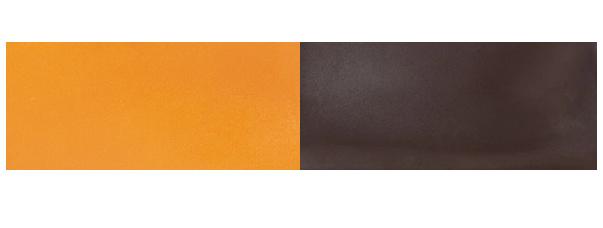
Introduction to Hermès Gulliver Leather
The History and Heritage of Gulliver Leather
The introduction of Hermès Gulliver Leather in the 1990s marked a significant moment in the maison’s continuous exploration of leather craftsmanship and innovation. Named with the characteristic whimsy that Hermès often employs in its leather nomenclature, Gulliver represented a departure from the more heavily grained leathers that dominated the luxury handbag market at the time. This smooth calf leather was developed to meet the desires of a clientele seeking something more refined and understated than the boldly textured options available, yet more casual than the formal Hermès Box Calf Leather that had long been a staple of the house.
The development of Gulliver leather showcased Hermès’ technical expertise in leather processing and treatment. The tanning process employed for Gulliver was meticulously calibrated to achieve its signature smooth finish while maintaining the durability expected from any Hermès leather. This involved a complex series of treatments that softened the calf hide while preserving its structural integrity, resulting in a leather that was both supple to the touch and resilient enough for daily use. The craftsmen at Hermès’ tanneries spent considerable time perfecting the formula, ensuring that each hide met the exacting standards that have defined the brand since its founding in 1837.
The discontinuation of Hermès Gulliver Leather around 2007 came as part of the maison’s strategic decision to streamline its leather offerings and introduce new innovations. The transition saw the introduction of Hermès Swift Leather, which many consider to be Gulliver’s spiritual successor. This evolution reflected Hermès’ philosophy of continuous improvement and adaptation to changing market demands while maintaining the highest standards of quality. The decision to discontinue Gulliver was not taken lightly, and it speaks to the brand’s confidence in their ability to create even better alternatives that would satisfy their discerning clientele.
The legacy of Gulliver leather continues to influence Hermès’ approach to leather development today. The lessons learned from producing this exceptional material informed the creation of subsequent smooth leathers, and the techniques developed for Gulliver’s treatment have been refined and incorporated into newer offerings. Collectors who own Gulliver pieces often speak of them with particular fondness, noting how the leather has aged gracefully over the years, developing character and depth that only enhances its beauty.
Comprehensive Characteristics of Hermès Gulliver Leather
The defining characteristic of Hermès Gulliver Leather was its remarkably smooth and soft surface, which set it apart from virtually every other leather in the Hermès repertoire at the time. This buttery-smooth texture was achieved through a specialized milling process that broke down the natural grain of the calf hide, creating an almost suede-like softness on the surface while maintaining the structural integrity of traditional leather. Unlike the pronounced grain patterns found in Hermès Togo Leather or Hermès Clemence Leather, Gulliver presented an almost uniform surface that caught and reflected light in subtle, sophisticated ways.
The visual appeal of Gulliver leather extended beyond its texture to encompass its unique ability to showcase color with exceptional depth and richness. The smooth surface allowed dyes to penetrate evenly and deeply, resulting in colors that appeared particularly saturated and vibrant. This characteristic made Gulliver an excellent choice for both classic Hermès colors like noir and gold, as well as more adventurous seasonal hues. The leather’s ability to hold color so well meant that even after years of use, Gulliver pieces retained much of their original vibrancy, though they also developed a desirable patina that added character and authenticity.
In terms of durability, Hermès Gulliver Leather occupied an interesting position within the spectrum of Hermès leathers. While not as hardy as the more textured options like Fjord or Clemence, Gulliver demonstrated remarkable resilience for such a smooth and soft leather. The material showed good resistance to everyday wear, though it was more susceptible to scratching than heavily grained alternatives. However, one of Gulliver’s most endearing qualities was its ability to develop what collectors call a “lived-in” patina – minor scratches and marks would often blend into the leather over time, creating a unique character that many found appealing rather than detracting from the bag’s beauty.
The weight and structure of Gulliver leather made it particularly suitable for certain bag styles. It was lighter than many other Hermès leathers, which made it an excellent choice for larger bags where weight could become a concern. The leather’s natural slouch gave bags a relaxed, casual elegance that was perfect for everyday use while still maintaining the luxury appeal expected from Hermès. This combination of lightness and flexibility made Gulliver particularly popular for travel pieces and daily-use bags where comfort was as important as style.
Water resistance was another notable characteristic of Gulliver leather, though it required more careful consideration than some other Hermès materials. While the leather could handle light moisture exposure, it was more vulnerable to water spots and staining than options within the Additional Calf and Cow Leathers category that featured protective coatings. This vulnerability meant that Gulliver pieces required more attentive care in wet conditions, though many owners found that the leather’s other qualities more than compensated for this additional maintenance requirement.
Manufacturing Excellence and Craftsmanship
The production of Hermès Gulliver Leather represented a pinnacle of tanning expertise that combined traditional craftsmanship with innovative techniques developed specifically for this unique material. The process began with the careful selection of premium calf hides, sourced from suppliers who met Hermès’ stringent quality standards. These hides were chosen not just for their lack of blemishes, but for specific characteristics in grain structure and thickness that would respond well to the specialized tanning process that would transform them into Gulliver leather.
The tanning process itself was a closely guarded secret that involved multiple stages of treatment, each designed to enhance specific qualities of the leather. The initial preparation involved cleaning and conditioning the hides to ensure uniform absorption of the tanning agents. Unlike the chrome tanning used for some other Hermès leathers, Gulliver underwent a combination tanning process that incorporated both vegetable and mineral elements, creating the perfect balance of softness and durability. This hybrid approach was revolutionary for its time and required master tanners with decades of experience to execute properly.
The milling process that gave Gulliver its signature smooth texture was perhaps the most critical stage in its production. This involved tumbling the leather in specialized drums with carefully calibrated conditions of heat, humidity, and mechanical action. The process broke down the surface fibers just enough to create the desired softness without compromising the leather’s structural integrity. This delicate balance required constant monitoring and adjustment, as even slight variations in temperature or duration could result in leather that was either too stiff or too fragile for Hermès’ exacting standards.
Quality control for Gulliver leather was extraordinarily rigorous, with multiple inspection points throughout the production process. Each hide was examined for consistency in texture, color absorption, and flexibility. Only those pieces that met every criterion would bear the Hermès name, with rejection rates that would be considered economically unfeasible for most luxury brands. This uncompromising approach to quality was part of what made Gulliver leather so special and why pieces made from this material continue to be highly valued today. The attention to detail extended to how the leather was stored and transported, with specific protocols to prevent any damage or deterioration before it reached the skilled hands of Hermès craftsmen.
Hermès Bag Models in Gulliver Leather
The Birkin bag in Hermès Gulliver Leather represented one of the most coveted combinations during the leather’s production years, offering a unique interpretation of this iconic design. The smooth, soft nature of Gulliver gave Birkin bags a distinctly relaxed and approachable character that differentiated them from their more structured counterparts in Hermès Epsom Leather or Box Calf. The leather’s natural tendency to soften and slouch with use meant that Gulliver Birkins developed a particularly charming casual elegance over time, making them ideal for those who preferred their luxury with a touch of nonchalance. The 30cm and 35cm sizes were especially popular in Gulliver, as the leather’s lightweight nature made these sizes comfortable for extended carry.
Kelly bags crafted in Gulliver leather offered a fascinating study in contrasts, combining the bag’s inherently formal structure with the leather’s soft, relaxed character. Retourne Kelly bags in Gulliver were particularly successful, as the softer construction method complemented the leather’s natural properties beautifully. The combination created bags that maintained the Kelly’s sophisticated silhouette while offering a more approachable, everyday luxury feel. Sellier construction in Gulliver was less common but highly prized when found, as the contrast between the rigid construction and soft leather created a unique aesthetic that collectors particularly value today.
The Constance bag found an ideal partner in Gulliver leather, with the material’s smooth surface providing the perfect canvas for the bag’s iconic H closure to take center stage. The leather’s ability to drape naturally enhanced the Constance’s elegant lines, while its smooth texture created a luxurious tactile experience every time the bag was opened or closed. Gulliver Constance bags were particularly popular in jewel tones and rich neutral shades, where the leather’s excellent color saturation could be fully appreciated. The 23cm and 24cm sizes were especially sought after, as they showcased the leather’s qualities while maintaining the bag’s sophisticated proportions.
Smaller leather goods and accessories in Gulliver leather demonstrated the material’s versatility across different product categories. Wallets, particularly the Béarn and Dogon styles, were exceptionally popular in Gulliver as the leather’s softness made them comfortable to handle and easy to slip into pockets. The Agenda covers in Gulliver developed a particularly attractive patina with daily use, making them highly collectible items today. The leather’s smooth surface also made it ideal for items like the Calvi card holder and various pochettes, where the clean lines and minimal texture allowed the design and craftsmanship to shine.
Travel pieces in Gulliver leather, including the Garden Party tote and various travel bags, capitalized on the material’s lightweight nature and durability. These pieces were particularly practical as the leather’s resistance to showing minor wear made them ideal for the rigors of travel. The Victoria and Plume bags in Gulliver were especially successful, offering sophisticated travel solutions that were both functional and elegant. Today, these travel pieces in Gulliver leather are particularly sought after by collectors who appreciate the combination of practicality and discontinued luxury.
Color Palette and Hardware Combinations
The color palette available in Hermès Gulliver Leather was particularly noteworthy for its richness and depth, with the smooth surface of the leather allowing colors to appear especially saturated and luminous. Classic Hermès colors like Black (Noir), Gold, and Chocolate took on a particular sophistication in Gulliver, with the smooth texture creating subtle variations in how light played across the surface. These neutral tones were perennial favorites and remain highly sought after in the secondary market, particularly when paired with gold or palladium hardware that complemented the leather’s understated elegance.
Vibrant colors in Gulliver leather were especially striking, with shades like Rouge H, Blue Jean, and Orange appearing particularly vivid due to the leather’s excellent dye absorption. The smooth surface allowed these bold colors to make a strong statement without the texture competing for visual attention. Seasonal colors introduced during Gulliver’s production years have become particularly collectible, with certain shades like Vert Anis and Fuschia commanding premium prices due to their rarity and the exceptional way they were rendered in this leather.
The interplay between Gulliver leather and hardware choices created distinct aesthetic effects that collectors learned to appreciate. Gold hardware on Gulliver pieces created a classic, timeless look that emphasized the leather’s luxurious nature, while palladium hardware offered a more contemporary, understated elegance. The smooth surface of the leather meant that hardware stood out more prominently than on textured leathers, making the quality and condition of hardware particularly important for Gulliver pieces. Some collectors specifically seek out rare hardware combinations, such as brushed gold or permabrass, which were occasionally offered with Gulliver leather.
Care and Maintenance Guidelines
Caring for Hermès Gulliver Leather requires a thoughtful approach that acknowledges both its delicate smooth surface and its inherent durability. Daily maintenance should focus on gentle cleaning with a soft, dry cloth to remove surface dust and oils that can accumulate from handling. Unlike more textured leathers such as Hermès Taurillon Clemence Leather, Gulliver’s smooth surface shows fingerprints and oils more readily, making regular gentle wiping essential to maintain its pristine appearance. The use of leather-specific cleaning products should be approached with caution, as Gulliver’s absorbent nature means that products can penetrate deeply and potentially cause discoloration if not properly selected.
Storage of Gulliver leather pieces requires particular attention to prevent marking and maintain shape. The leather’s soft nature means it can be susceptible to impressions from other items, so bags should be stored individually in their dust bags with adequate spacing. Tissue paper or air pillows should be used to maintain structure, but avoid overstuffing as this can stress the leather and create permanent stretching. The storage environment should be climate-controlled when possible, as extreme temperatures and humidity can affect the leather’s suppleness and color. Unlike some other leathers in the Hermès range, Gulliver benefits from occasional airing out to prevent any moisture buildup that could lead to mildew or odor.
Addressing scratches and marks on Gulliver leather requires a gentle touch and patience. Minor surface scratches can often be minimized by gently massaging the area with clean fingers, as the natural oils from skin can help the leather fibers realign. For deeper scratches, professional restoration is recommended, as attempts at home repair can sometimes worsen the damage. The leather’s tendency to develop a patina means that some marking is not only inevitable but can actually enhance the bag’s character over time, telling the story of its use and adding to its authenticity.
Professional cleaning and conditioning services are particularly valuable for Gulliver leather pieces, especially for vintage items that may have accumulated years of use. Hermès spa services, when available, offer the gold standard in Gulliver care, with technicians trained specifically in the nuances of this discontinued leather. Third-party leather specialists familiar with Gulliver should be carefully vetted, as incorrect treatment can permanently damage the leather’s unique characteristics. Regular professional maintenance every 18-24 months can significantly extend the life and beauty of Gulliver pieces, making them excellent long-term investments despite their discontinued status.
Comparisons with Other Hermès Leathers
When comparing Hermès Gulliver Leather to its spiritual successor, Hermès Swift Leather, several key differences and similarities emerge that help collectors understand the evolution of Hermès’ smooth leather offerings. While both leathers share a smooth, soft texture and excellent color saturation, Swift is generally considered to be slightly more resistant to scratching and water damage than Gulliver was. The grain pattern in Swift is marginally more pronounced than Gulliver’s almost completely smooth surface, giving Swift a bit more visual texture while maintaining the overall sleek appearance. Collectors often debate which leather is superior, but the consensus tends to be that while Swift may be more practical, Gulliver had a unique character that many find irreplaceable.
Compared to Hermès Box Calf Leather, another smooth option in the Hermès range, Gulliver occupied a distinctly different niche. While Box Calf offers a formal, polished appearance with its glossy finish and rigid structure, Gulliver provided a more relaxed, contemporary alternative. Box Calf’s susceptibility to scratches and water spots is well-known, and while Gulliver shared some of these vulnerabilities, its matte finish and softer structure meant that wear patterns developed differently, often more forgivingly. The choice between these leathers often came down to lifestyle and aesthetic preferences, with Gulliver appealing to those seeking understated luxury suitable for daily use.
In contrast to the popular grained leathers like Hermès Clemence Leather and Togo, Gulliver represented a completely different approach to luxury leather goods. While Clemence and Togo offer superior scratch resistance and durability due to their pronounced grain patterns, Gulliver’s smooth surface provided a sleeker, more refined appearance that many found more sophisticated. The weight difference was also notable, with Gulliver being considerably lighter than Clemence, making it preferable for those who prioritized comfort in carrying. However, the textured leathers’ ability to maintain their appearance with minimal maintenance made them more practical for many users, which partially explains why they continue in production while Gulliver was discontinued.
When compared to exotic options in the Exotic Leather category, Gulliver occupied an interesting middle ground. While it couldn’t match the prestige and rarity of crocodile or alligator, Gulliver’s smooth surface and excellent dye absorption allowed it to achieve a level of visual sophistication that rivaled more expensive materials in certain colors. The maintenance requirements for Gulliver were considerably less demanding than exotics, making it a more practical choice for regular use while still offering a luxurious appearance and feel that set it apart from more common leathers.
Investment Value and Market Analysis
The investment potential of Hermès Gulliver Leather pieces has grown significantly since the leather’s discontinuation, with market values showing consistent appreciation that often outpaces inflation and traditional investment vehicles. The scarcity factor plays a crucial role in this appreciation, as no new Gulliver pieces have been produced for over fifteen years, creating a finite and diminishing supply of available items. This scarcity is compounded by the fact that many Gulliver pieces remain in private collections, rarely appearing on the secondary market, which drives prices higher when exceptional examples do become available.
Market analysis reveals that certain Gulliver pieces command particularly strong premiums, especially Birkin and Kelly bags in excellent condition with rare color and hardware combinations. The condition factor is particularly critical for Gulliver pieces, as the leather’s smooth surface means that wear is more visible than on grained alternatives. Pristine examples can command prices 20-40% higher than comparable pieces in Swift or other current production leathers, reflecting both the rarity and the nostalgic appeal of this discontinued material. Auction houses report intense competition for Gulliver pieces, particularly from collectors who remember the leather from its production years and seek to recapture that specific aesthetic.
The authentication and provenance of Gulliver pieces have become increasingly important as values rise, with collectors placing premium value on pieces with complete documentation and clear ownership history. Hermès receipts, authenticity cards, and especially any documentation showing spa service history significantly enhance value. The growing sophistication of the counterfeit market has made expert authentication essential, as fake Gulliver pieces have appeared attempting to capitalize on the leather’s desirability. Established auction houses and reputable resellers have become crucial intermediaries in ensuring authenticity and maintaining market confidence.
Future market projections for Hermès Gulliver Leather suggest continued appreciation, particularly as the leather becomes increasingly rare and moves firmly into the vintage category. As with other discontinued Hermès materials like Hermès Vibrato Leather, the combination of scarcity, quality, and nostalgic appeal creates a powerful investment narrative. Younger collectors discovering Gulliver for the first time are often captivated by its unique characteristics, ensuring continued demand even as the original generation of Gulliver enthusiasts ages. The leather’s position as a tangible asset with both practical use and collectible value makes it an attractive alternative investment in uncertain economic times.
Authentication Guidelines for Gulliver Leather
Authenticating Hermès Gulliver Leather requires a comprehensive understanding of its unique characteristics and the specific markers that distinguish genuine pieces from counterfeits. The texture is the primary indicator, with authentic Gulliver displaying an unmistakably smooth, almost buttery surface that feels distinctly different from both current production leathers and common counterfeit materials. The leather should have a consistent matte finish without any artificial shine or coating, and when pressed gently, it should show a temporary impression that gradually disappears, demonstrating the leather’s natural resilience and quality.
Date stamps and craftsman marks on Gulliver pieces provide crucial authentication evidence, as the leather was only produced during a specific timeframe. Authentic pieces should bear date stamps corresponding to the 1990s through approximately 2007, with any pieces claiming to be Gulliver with date stamps after this period immediately suspect. The blind stamp should be crisp and properly aligned, with the font and spacing consistent with Hermès standards for the production period. Hardware should show appropriate wear patterns consistent with age, as overly pristine hardware on supposedly vintage Gulliver pieces can indicate recent counterfeit production.
The smell and feel of authentic Gulliver leather provide additional authentication clues that experienced collectors recognize immediately. Genuine Gulliver has a subtle, natural leather scent without any chemical or artificial odors that often accompany counterfeit pieces. The leather’s weight and drape are also distinctive, being lighter than many other Hermès leathers while maintaining a luxurious heft that cheap alternatives cannot replicate. Stitching quality remains paramount, with authentic pieces showing the perfectly regular, angled stitching that Hermès is famous for, using linen thread that has aged appropriately with the leather.
Styling Guide for Gulliver Leather Pieces
Styling Hermès Gulliver Leather pieces requires an appreciation for their unique position between casual elegance and sophisticated luxury. The leather’s smooth, understated surface makes it exceptionally versatile, pairing beautifully with both formal business attire and relaxed weekend ensembles. For professional settings, a Gulliver Kelly or Constance in a classic neutral shade provides sophisticated polish without appearing overly formal or ostentatious. The leather’s matte finish photographs beautifully, making it an excellent choice for those frequently in the public eye or attending events where understated elegance is valued.
Seasonal considerations for Gulliver leather pieces reflect the material’s year-round versatility, though certain precautions enhance both appearance and longevity. During autumn and winter months, the leather’s smooth surface provides an elegant contrast to textured fabrics like wool and cashmere, while its relatively good resistance to light moisture makes it more practical than Hermès Box Calf Leather for unpredictable weather. Spring and summer styling benefits from Gulliver’s lightweight nature and the exceptional way it renders bright, cheerful colors that complement seasonal wardrobes. The leather’s tendency to develop patina means that pieces often look even better with the natural weathering that comes from regular seasonal use.
Conclusion: The Enduring Legacy of Hermès Gulliver Leather
Hermès Gulliver Leather stands as a testament to the maison’s commitment to innovation and excellence, representing a chapter in luxury leather goods that continues to captivate collectors and connoisseurs years after its discontinuation. The unique combination of buttery-soft texture, excellent color rendition, and understated elegance that defined Gulliver has secured its place in the pantheon of legendary Hermès leathers. As pieces in this remarkable material become increasingly rare, they serve not just as functional luxury accessories but as tangible connections to a specific moment in Hermès history when the pursuit of perfection led to the creation of something truly special.
For those fortunate enough to own Hermès Gulliver Leather pieces, the responsibility of preservation comes with the privilege of ownership. These pieces represent more than just luxury accessories; they are artifacts of exceptional craftsmanship that deserve careful stewardship for future generations. Whether maintained as part of a working wardrobe or preserved as collectible investments, Gulliver pieces continue to demonstrate the timeless appeal of superior materials and meticulous craftsmanship. As the luxury market continues to evolve and new leathers are introduced, the unique qualities of Gulliver serve as a benchmark against which innovations are measured, ensuring that this discontinued leather’s influence extends far beyond its production years.
The story of Hermès Gulliver Leather ultimately reflects the broader narrative of luxury in the modern era – a constant balance between innovation and tradition, between meeting contemporary needs and maintaining timeless standards. As we look to the future of luxury leather goods, the lessons learned from Gulliver’s production, characteristics, and eventual discontinuation continue to inform both makers and collectors. For those seeking to understand or acquire pieces in this exceptional leather, the journey requires patience, knowledge, and an appreciation for the subtle details that distinguish true luxury from mere expense. In the world of Additional Calf and Cow Leathers, Gulliver remains a shining example of what is possible when uncompromising standards meet innovative techniques in the pursuit of perfection.