
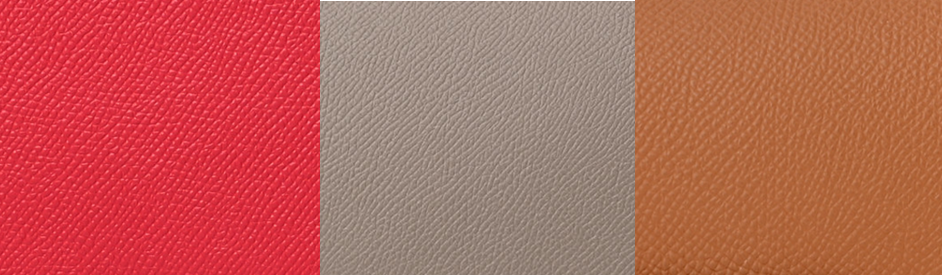
Hermès Epsom leather stands as one of the most recognizable and sought-after materials in luxury fashion. Whether you’re considering your first Hermès purchase or you’re a seasoned collector, understanding Epsom leather’s unique characteristics can help you make informed decisions about this significant investment. This comprehensive guide delves deep into every aspect of this remarkable material, from its origins to its place in modern luxury fashion.
What is Hermès Epsom Leather?
Hermès Epsom leather is a structured, embossed calf leather that has become synonymous with the French luxury house’s most iconic handbags. Introduced in the early 2000s, this distinctive material features a fine grain pattern that gives it both durability and a sophisticated appearance that luxury connoisseurs worldwide have come to cherish.
The leather gets its name from the Epsom grain pattern, which creates a subtle crosshatch texture across the surface. This embossing process not only enhances the leather’s visual appeal but also increases its resistance to scratches and everyday wear. The development of Epsom leather represents Hermès’ commitment to innovation while maintaining their traditional standards of excellence.
The Science Behind Epsom Leather
The creation of Epsom leather involves a complex process that combines traditional craftsmanship with modern technology. The base material starts with carefully selected calfskins from European farms that meet Hermès’ exacting standards. These hides undergo a specialized chrome tanning process that ensures consistency and durability while maintaining the leather’s natural characteristics.
The embossing process that creates Epsom’s signature texture requires precise temperature control and pressure application. Master craftsmen oversee this process, ensuring each hide receives uniform treatment. The result is a leather that combines the best qualities of natural materials with enhanced performance characteristics.
Key Characteristics of Epsom Leather
Epsom leather possesses several distinctive qualities that set it apart from other Hermès leathers:
Structured and Rigid: Unlike softer leathers such as Clemence or Togo, Epsom maintains its shape exceptionally well. This characteristic makes it ideal for bags that benefit from structure, such as the Kelly and certain Birkin styles. The rigidity comes from both the embossing process and the specific tanning methods employed.
Lightweight: Despite its durability, Epsom is surprisingly lightweight compared to other structured leathers, making it practical for daily use. This weight advantage becomes particularly noticeable in larger bag sizes where every gram counts for comfort.
Scratch Resistant: The embossed grain pattern helps disguise minor scratches and scuffs, maintaining the bag’s pristine appearance longer. This resistance isn’t just superficial – the embossing creates a protective texture that deflects potential damage.
Vibrant Color Retention: Epsom leather holds color beautifully, making it perfect for Hermès’ bold and vibrant seasonal shades. The dye penetration achieved during the tanning process ensures colors remain true even after years of use.
Water Resistant: The leather’s surface treatment provides some resistance to moisture, though proper care is still essential. This resistance comes from the combination of the embossing and finishing processes that create a more closed surface structure.
Temperature Stability: Epsom leather performs well in various climates, maintaining its structure in heat and resisting cracking in cold conditions. This makes it an excellent choice for travelers who experience diverse weather conditions.
The History and Development of Epsom Leather
Hermès introduced Epsom leather in 2003 as part of their continuous innovation in luxury materials. The maison developed this leather to meet the growing demand for structured handbags that could withstand daily use while maintaining their elegant silhouette. The timing of its introduction coincided with a shift in luxury consumer preferences toward more practical yet sophisticated accessories.
The Evolution of Hermès Leathers
To understand Epsom’s significance, it’s essential to consider the broader context of Hermès’ leather development. The company has always been at the forefront of leather innovation, dating back to their origins as saddle makers in 1837. Each new leather type introduced by Hermès addresses specific customer needs while maintaining the brand’s reputation for excellence.
Before Epsom, Hermès relied heavily on natural grain leathers like Box calf and Chamonix for structured bags. While these leathers offered beauty and tradition, they required more maintenance and showed wear more readily. The development of Epsom represented a response to modern lifestyle demands without compromising luxury appeal.
The Technical Innovation
The creation process involves carefully selected calfskins that undergo a specialized tanning process. The signature grain pattern is then embossed onto the leather surface, creating the characteristic texture that Epsom is known for. This process requires exceptional skill and precision, reflecting Hermès’ commitment to craftsmanship excellence.
The embossing technique used for Epsom leather was developed through years of experimentation. Hermès’ leather experts worked to create a pattern that would be both aesthetically pleasing and functionally superior. The final design achieves a perfect balance between visual refinement and practical durability.
Epsom vs Other Hermès Leathers: A Detailed Comparison
Understanding how Epsom compares to other Hermès leathers helps in making the right choice for your lifestyle and preferences. Each leather type has its unique characteristics, advantages, and ideal applications.
Epsom vs Togo Leather
Togo leather, introduced in 1997, features a more pronounced grain and softer texture. While Togo offers a more relaxed, slouchy appearance that develops character over time, Epsom maintains its structured form. Togo is slightly heavier and more prone to showing scratches, whereas Epsom’s embossed surface helps conceal minor wear.
The choice between Epsom and Togo often comes down to personal style preferences. Togo’s natural grain varies slightly from hide to hide, giving each bag unique character. Epsom’s consistent embossing ensures uniformity across production. For those who appreciate the individuality of natural materials, Togo may appeal more. However, those seeking consistency and structure often prefer Epsom.
Epsom vs Clemence Leather
Clemence leather is notably softer and more supple than Epsom, with a flatter grain pattern. Clemence bags tend to slouch attractively with use, while Epsom bags retain their original shape. For those who prefer a more structured look, Epsom is the clear choice.
The weight difference between Clemence and Epsom becomes particularly noticeable in larger bags. A Birkin 35 in Clemence can feel substantially heavier than the same bag in Epsom. This weight consideration often influences purchasing decisions, especially for those planning to use their bags daily.
Epsom vs Swift Leather
Swift leather is smooth and incredibly soft, offering a more formal appearance. However, it’s also more susceptible to scratches and requires more careful handling. Epsom provides greater durability for everyday use while still maintaining elegance.
Swift leather’s smooth surface showcases colors brilliantly but also reveals every mark and scratch. Epsom’s textured surface provides a more forgiving canvas for daily use. Many collectors choose Swift for special occasion bags and Epsom for everyday pieces.
Epsom vs Box Calf Leather
Box calf represents Hermès’ most traditional leather, with a smooth surface and formal appearance. While Box develops a beautiful patina over time, it requires careful maintenance and shows water spots easily. Epsom offers a more practical alternative while maintaining sophistication.
The historical significance of Box calf in Hermès’ heritage makes it a favorite among purists. However, Epsom’s modern practicality has won over many contemporary collectors who want luxury without constant worry about maintenance.
Epsom vs Chevre (Goat) Leather
Chevre leather offers exceptional durability with a fine grain, but it’s typically more expensive and less readily available than Epsom. While both leathers resist scratches well, Epsom provides similar benefits at a more accessible price point.
The texture differences between Chevre and Epsom are subtle but noticeable to experienced collectors. Chevre has a slightly more refined grain and a different hand feel. However, Epsom’s performance characteristics make it an excellent alternative for those unable to source Chevre pieces.
Which Hermès Bags Feature Epsom Leather?
Epsom leather appears across various Hermès handbag styles, but certain models particularly benefit from its structured nature. Understanding which styles work best with Epsom helps inform purchasing decisions.
Kelly Bags
The Kelly’s structured silhouette is perfectly complemented by Epsom leather. The material helps maintain the bag’s crisp lines and sophisticated appearance, making it ideal for both business and formal occasions. The Kelly Sellier construction especially benefits from Epsom’s rigidity, creating sharp, defined edges that exemplify the style’s architectural beauty.
Smaller Kelly sizes (25cm and 28cm) in Epsom are particularly popular as they maintain their shape without appearing too rigid. The leather’s lightweight nature also makes these smaller sizes comfortable for extended wear. Many collectors consider an Epsom Kelly an essential addition to their collection for its versatility and durability.
Birkin Bags
While Birkin bags are available in various leathers, Epsom versions offer a more structured alternative to the typically softer materials. Epsom Birkins maintain their shape beautifully and are particularly popular in smaller sizes like the Birkin 25 and 30.
The structured nature of Epsom can change the Birkin’s character from casual luxury to refined elegance. This transformation makes Epsom Birkins suitable for a wider range of occasions, from business meetings to social events. The leather’s resistance to slouching also means the bag’s interior organization remains more accessible.
Constance Bags
The Constance bag’s clean, minimalist design pairs beautifully with Epsom leather. The material’s ability to hold sharp lines enhances the bag’s modern aesthetic. The iconic H closure appears particularly striking against Epsom’s consistent grain pattern.
Epsom Constance bags have become increasingly popular among younger Hermès collectors who appreciate the combination of classic design and contemporary practicality. The leather’s durability makes it ideal for the crossbody wear style typical of Constance usage.
Garden Party and Other Structured Styles
Epsom leather is frequently used in Hermès’ more casual yet structured bags, where durability and shape retention are priorities. The Garden Party tote benefits enormously from Epsom’s characteristics, maintaining its rectangular shape even when loaded with daily essentials.
Other styles that showcase Epsom beautifully include the Toolbox, Halzan, and Roulis. These contemporary designs rely on clean lines and geometric shapes that Epsom leather enhances perfectly.
Mini and Small Leather Goods
Beyond handbags, Epsom appears in numerous small leather goods including wallets, card holders, and agenda covers. The leather’s resistance to wear makes it ideal for items that experience frequent handling. Epsom accessories often outlast those made from softer leathers, making them excellent investment pieces.
Color Options and Seasonal Variations
One of Epsom leather’s greatest strengths is its ability to showcase Hermès’ extensive color palette. The leather’s surface treatment allows for vibrant, even color distribution, making it ideal for both classic and seasonal shades.
Classic Colors
Traditional Hermès colors like Black (Noir), Gold, and Etoupe appear stunning in Epsom leather. These neutral tones highlight the leather’s sophisticated grain while ensuring timeless appeal. Each classic color tells its own story:
Noir (Black): The ultimate in sophistication, black Epsom leather offers unparalleled versatility. The embossed grain adds visual interest to what might otherwise be a flat color, creating depth and dimension.
Gold: This warm caramel tone represents Hermès heritage. In Epsom, Gold appears slightly more modern than in natural grain leathers, appealing to contemporary tastes while honoring tradition.
Etoupe: This chameleon-like grey-brown has become increasingly popular in recent years. Epsom’s consistent surface ensures Etoupe appears uniform, avoiding the color variations sometimes seen in natural grain leathers.
Etain: A sophisticated grey with subtle undertones, Etain in Epsom leather provides a modern alternative to black while maintaining professional appeal.
Seasonal and Limited Colors
Epsom leather excels at displaying Hermès’ seasonal colors. Bright blues, vibrant pinks, and rich greens appear particularly striking in this material. The leather’s color retention ensures these special shades maintain their intensity over time.
Recent seasonal successes in Epsom include:
Rose Sakura: A delicate pink that showcases Epsom’s ability to hold subtle colors Vert Cypress: A deep forest green that appears particularly rich in Epsom Bleu Brume: A misty blue that demonstrates the leather’s versatility with cool tones Jaune Ambre: A warm yellow that might appear garish in other leathers but looks sophisticated in Epsom
Rare and Exotic Color Combinations
Some of the most coveted Hermès pieces feature Epsom leather in rare colorways or special editions. These pieces often become highly sought-after collector’s items. Limited edition colors in Epsom have included:
Gradient Effects: Special order pieces featuring color gradients showcase Epsom’s ability to accept complex dyeing techniques. Metallic Finishes: While rare, metallic Epsom pieces demonstrate the leather’s versatility in accepting various surface treatments. Two-Tone Combinations: Special order bags featuring multiple Epsom colors highlight the leather’s consistent appearance across different dye lots.
Caring for Your Hermès Epsom Leather
Proper care ensures your Epsom leather handbag maintains its beauty and value for years to come. While Epsom is more forgiving than many other leathers, appropriate maintenance maximizes its longevity.
Daily Care Tips
Avoid Overloading: While Epsom is durable, excessive weight can stress the leather and hardware. The structured nature of Epsom means weight is distributed differently than in softer leathers, potentially creating pressure points at corners and edges.
Rotate Your Bags: Regular rotation prevents excessive wear on any single piece. This practice also allows bags to rest and recover their shape between uses. Consider creating a rotation schedule if you own multiple Epsom pieces.
Proper Storage: Store your bag in its original dust bag, filled with tissue paper to maintain shape. Avoid plastic storage which can trap moisture. The ideal storage environment maintains consistent temperature and humidity levels.
Handle with Clean Hands: Oils and dirt from hands can accumulate on the leather over time. Pay particular attention to areas of frequent contact like handles and closure tabs.
Protect from Direct Sunlight: While Epsom’s color retention is excellent, prolonged sun exposure can still cause fading. Store bags away from windows and avoid leaving them in cars.
Cleaning and Maintenance
Gentle Cleaning: Use a soft, barely damp cloth to remove surface dirt. Always test any cleaning method on an inconspicuous area first. Work in circular motions following the grain pattern.
Professional Care: For significant stains or damage, consult Hermès or a qualified leather specialist. Many Hermès boutiques offer spa services specifically trained in Epsom leather care.
Avoid Harsh Chemicals: Never use household cleaners, alcohol, or other harsh substances on Epsom leather. Even products designed for other leathers may not be suitable for Epsom’s specific finish.
Conditioning: While Epsom leather doesn’t require frequent conditioning like softer leathers, occasional professional treatment can help maintain its appearance. Over-conditioning can actually damage Epsom’s surface treatment.
Dealing with Common Issues
Water Spots: If water spots occur, allow them to dry naturally and buff gently with a soft cloth. Epsom’s water resistance usually prevents permanent marking.
Color Transfer: Denim and newspaper ink can sometimes transfer to light-colored Epsom. Immediate gentle cleaning usually removes these marks.
Hardware Tarnishing: Keep hardware bright by occasional polishing with appropriate products. Protect leather areas during hardware cleaning.
Corner Wear: Despite Epsom’s durability, corners can show wear over time. Professional restoration can address this before it becomes severe.
Investment Value and Resale Considerations
Hermès bags crafted in Epsom leather often maintain excellent resale value, particularly when well-maintained. Several factors contribute to this strong secondary market performance.
Durability Factor
Epsom leather’s resistance to wear and ability to maintain its shape contribute to higher resale values. Bags that look newer for longer periods command better prices in the secondary market. Statistical analysis of resale platforms shows Epsom bags typically retain 80-90% of retail value when properly maintained.
Color Considerations
Classic colors in Epsom leather tend to hold value better than seasonal shades, though rare or discontinued colors can sometimes command premium prices. Market analysis reveals:
Highest Resale Value: Black, Gold, Etoupe, and Etain consistently perform well Strong Performers: Popular blues and neutrals maintain good value Variable Performance: Bright or unusual colors depend on current trends Premium Potential: Discontinued colors can appreciate significantly
Condition Impact
The leather’s scratch-resistant properties mean Epsom bags often show less wear, positively impacting resale value. Condition grading for Epsom pieces typically skews higher than softer leathers, with more bags qualifying for “excellent” or “pristine” ratings.
Market Demand Factors
Several elements influence Epsom leather demand in the resale market:
Size Preferences: Smaller sizes in Epsom command premiums due to their practicality Style Trends: Structured bag trends boost Epsom desirability Geographic Variations: Certain markets prefer Epsom’s characteristics Collector Interest: Complete Epsom collections attract dedicated collectors
Authentication: Identifying Genuine Hermès Epsom Leather
With the popularity of Hermès bags, authentication knowledge is crucial for buyers. Epsom leather’s distinctive characteristics can help identify authentic pieces when properly understood.
Grain Pattern Recognition
Genuine Hermès Epsom leather features a consistent, fine crosshatch grain pattern. The embossing should be even and well-defined throughout the bag. Authentic Epsom displays:
Uniform Depth: The embossing depth remains consistent across the entire piece Pattern Alignment: Grain patterns align properly at seams and joints Edge Definition: Clear, crisp grain definition even at edges and corners No Irregularities: Absence of pattern distortions or inconsistencies
Feel and Flexibility
Authentic Epsom leather has a distinctive feel – structured yet not overly stiff. It should have some flexibility while maintaining its shape. Key tactile indicators include:
Appropriate Weight: Genuine Epsom has a specific weight-to-size ratio Surface Texture: Slightly raised grain that’s discernible but not rough Flexibility Pattern: Bends smoothly without creasing or cracking Temperature Response: Warms slightly to touch without feeling synthetic
Hardware Quality
Hermès hardware on Epsom bags is always high-quality and properly aligned. Pay attention to the weight, finish, and craftsmanship of zippers, locks, and decorative elements. Authentic hardware characteristics:
Precious Metal Plating: Consistent, high-quality gold or palladium plating Weight and Density: Substantial feel indicating quality materials Smooth Operation: Zippers, locks, and clasps function flawlessly Proper Markings: Correct stamps and engravings with appropriate depth
Stitching Excellence
Hermès’ saddle stitching is impeccable on authentic pieces. The stitching on Epsom bags should be perfectly straight and even, with high-quality thread. Examination reveals:
Consistent Spacing: Uniform distance between stitches Appropriate Thread: Correct weight and color matching No Loose Ends: All thread ends properly finished and hidden Angle Consistency: Saddle stitching maintains proper angle throughout
Additional Authentication Points
Date Stamps: Correct format and placement for production year Craftsman Stamps: Authentic stamps indicating the artisan Interior Construction: Proper lining attachment and finishing Overall Craftsmanship: Attention to detail in every aspect
The Environmental Aspect
Hermès has increasingly focused on sustainable practices in leather production. The company works with certified tanneries and emphasizes the longevity of their products as a form of sustainability. Epsom leather’s durability aligns with this philosophy, as bags that last decades reduce the need for frequent replacements.
Sustainable Sourcing
Hermès maintains strict standards for leather sourcing:
Farm Partnerships: Long-term relationships with European farms ensuring ethical practices Traceability: Complete tracking from farm to finished product Animal Welfare: Adherence to strict animal welfare standards By-Product Usage: Leather sourced as by-product of food industry
Production Efficiency
Epsom leather production emphasizes efficiency:
Waste Reduction: Cutting patterns optimized to minimize waste Water Management: Advanced tanning processes reducing water usage Chemical Safety: Strict controls on chemical usage and disposal Energy Efficiency: Modern production facilities with reduced energy consumption
Longevity as Sustainability
The durability of Epsom leather contributes to sustainability:
Extended Lifespan: Bags lasting decades reduce replacement needs Repair Services: Hermès spa services extend product life further Timeless Design: Classic styles prevent obsolescence Value Retention: High resale value encourages preservation
Making the Right Choice: Is Epsom Right for You?
Choosing Epsom leather depends on your lifestyle and preferences. This detailed analysis helps determine if Epsom aligns with your needs.
Ideal for:
Professional Users: Those requiring polished appearance in business settings Daily Carriers: People using their bags frequently who need durability Color Enthusiasts: Collectors who appreciate vibrant, consistent colors First-Time Buyers: Those seeking low-maintenance luxury introduction Travel Enthusiasts: Users needing weather-resistant, structured bags Minimalists: Those preferring clean lines and consistent appearance Busy Lifestyles: People without time for extensive leather maintenance
Consider Alternatives if:
Patina Lovers: You enjoy watching leather develop character Texture Seekers: You prefer varied, natural grain patterns Slouch Aesthetic: You like relaxed, casual bag appearance Heritage Focus: You prioritize traditional Hermès leathers Ultra-Soft Preference: You want butter-soft leather feel Weight Sensitive: Every gram matters for your usage Natural Evolution: You want bags that change significantly over time
Lifestyle Compatibility Assessment
Consider these scenarios when evaluating Epsom:
Business Professional: Epsom excels in maintaining professional appearance Parent with Children: Durability and easy maintenance prove invaluable Frequent Traveler: Structure and weather resistance offer practical benefits Social Butterfly: Vibrant colors and pristine maintenance impress at events Casual User: May find Epsom too formal for relaxed settings
Future Outlook for Epsom Leather
As Hermès continues to innovate while respecting tradition, Epsom leather remains a cornerstone of their leather offerings. Its practical benefits and aesthetic appeal ensure its continued popularity among discerning customers worldwide.
Innovation Potential
Future developments may include:
Enhanced Treatments: Improved resistance to environmental factors Color Technology: Even more vibrant and stable color options Texture Variations: Subtle pattern modifications for variety Sustainable Advances: Further environmental improvements
Market Trends
Current trends favoring Epsom include:
Structured Bag Revival: Fashion cycles favoring defined silhouettes Practical Luxury: Growing demand for beautiful yet functional pieces Color Exploration: Increased interest in statement colors Investment Mindset: Focus on pieces maintaining value
Collector Perspectives
The collecting community’s view on Epsom continues evolving:
Growing Appreciation: Recognition of Epsom’s unique qualities Specialized Collections: Collectors focusing exclusively on Epsom pieces Color Hunting: Pursuit of rare Epsom colorways Condition Premium: Higher values for pristine Epsom pieces
Expert Tips for Epsom Leather Success
Drawing from collector experiences and expert insights:
Purchase Strategy
Timing Considerations: Seasonal releases often feature exclusive Epsom colors Boutique Relationships: Building connections aids in accessing Epsom pieces Special Orders: Epsom’s consistency makes it ideal for custom orders Secondary Market: Authentication knowledge crucial for resale purchases
Collection Building
Color Strategy: Balance classics with statement pieces Size Variety: Different sizes showcase Epsom’s versatility Style Diversity: Explore how different designs utilize Epsom Condition Focus: Prioritize condition given Epsom’s durability
Long-Term Planning
Maintenance Schedule: Regular professional check-ups extend lifespan Storage System: Proper organization prevents damage Insurance Considerations: Document and protect investments Legacy Planning: Epsom’s durability makes pieces excellent heirlooms
Conclusion
Hermès Epsom leather represents the perfect marriage of form and function in luxury handbags. Its distinctive characteristics – from the elegant grain pattern to exceptional durability – make it an excellent choice for those seeking a structured, long-lasting handbag that maintains its beauty over time.
Whether you’re drawn to its practical benefits, aesthetic appeal, or investment potential, Epsom leather offers a compelling option in the world of luxury accessories. Understanding its unique properties ensures you can make an informed decision about adding this exceptional material to your collection.
For prospective buyers, Epsom leather provides an excellent introduction to Hermès quality while offering the sophistication and craftsmanship the brand is renowned for. Its combination of beauty, durability, and timeless appeal continues to make it one of the most coveted materials in luxury fashion.
The evolution of Epsom leather from its introduction in 2003 to its current status as a Hermès staple demonstrates the material’s enduring appeal. As fashion trends cycle and consumer preferences evolve, Epsom’s practical luxury positioning ensures its continued relevance.
Investment in Hermès Epsom leather represents more than a fashion purchase – it’s an acquisition of functional art that enhances daily life while maintaining value. The material’s unique combination of traditional craftsmanship and modern innovation embodies Hermès’ philosophy of creating objects that improve with use and age gracefully.
As we look toward the future of luxury leather goods, Epsom stands as a testament to the possibility of combining heritage craftsmanship with contemporary needs. Its success story encourages us to seek quality over quantity, investing in pieces that serve us well while bringing beauty to everyday moments.