
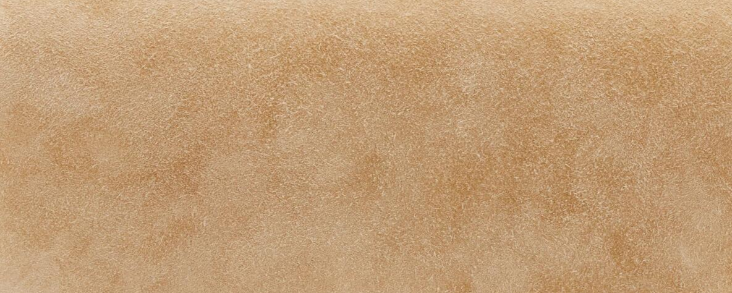
In the pantheon of Hermès leathers, few materials evoke the same sense of tactile luxury and understated elegance as Hermès Doblis Suede. This exceptional material represents the pinnacle of suede craftsmanship, combining the maison’s legendary attention to detail with a texture so sumptuous that it has captivated collectors and connoisseurs for decades. As one of the most sophisticated options in the Suede Leather category, Doblis stands as a testament to Hermès’ ability to transform raw materials into objects of enduring beauty and value.
History and Heritage of Hermès Doblis Suede
The introduction of Hermès Doblis Suede into the maison’s leather repertoire marked a significant moment in the evolution of luxury handbag materials. Developed in response to discerning clients who desired the tactile pleasure of suede without compromising on durability, Doblis emerged as Hermès’ answer to creating the perfect luxury suede. The name “Doblis” itself carries historical significance within the Hermès archives, representing a commitment to innovation while respecting traditional tanning methods that have been refined over generations.
The development of Doblis Suede can be traced back to Hermès’ long-standing relationships with select European tanneries, particularly those specializing in the treatment of fine calfskin. Unlike conventional suede production methods, the creation of Doblis involves a proprietary process that begins with the selection of only the finest baby calf hides. These hides, sourced from specific regions known for their superior livestock, undergo an initial assessment that would see the rejection of materials that other luxury houses might readily accept. This uncompromising approach to raw material selection forms the foundation of what makes Hermès Doblis Suede exceptional.
Throughout the decades, Doblis has evolved in subtle yet significant ways. The tanning process has been refined to enhance both the leather’s natural beauty and its resistance to wear, while maintaining the characteristic softness that defines premium suede. Historical records from Hermès workshops reveal that early iterations of Doblis were reserved exclusively for small leather goods and accessories, with the material gradually being adapted for use in the maison’s most iconic handbags as techniques improved. This gradual expansion speaks to Hermès’ methodical approach to innovation, where new applications are only pursued once absolute mastery has been achieved.
The cultural significance of Hermès Doblis Suede extends beyond its technical merits. In the 1960s and 1970s, as fashion embraced more textured and tactile materials, Doblis became synonymous with a certain bohemian elegance that appealed to artists, intellectuals, and style icons. Notable figures from Jane Birkin to Princess Grace of Monaco were photographed carrying Doblis pieces, cementing the material’s status as a symbol of refined taste and understated luxury. This association with cultural luminaries has only strengthened over time, with contemporary collectors viewing Doblis pieces as investments in both fashion history and future value.
The heritage of Doblis is also closely intertwined with Hermès’ commitment to sustainable luxury. Long before sustainability became a industry buzzword, the maison’s approach to Doblis production emphasized longevity and repairability. The specific tanning processes used ensure that Doblis Suede can be professionally restored and maintained for decades, a feature that aligns perfectly with Hermès’ philosophy of creating objects that transcend generations. This forward-thinking approach has positioned Doblis as not just a luxury material, but as an example of responsible craftsmanship in the modern era.
Comprehensive Characteristics of Hermès Doblis Suede
The defining characteristic of Hermès Doblis Suede is its extraordinarily fine nap, achieved through a meticulous buffing process that creates a surface of unparalleled softness. Unlike the Hermès Veau Doblis Suede variation, which features a slightly different texture profile, standard Doblis presents a consistent, luxurious feel that has become its signature. The microscopic fibers that compose the suede surface are remarkably uniform, creating a visual effect that shifts subtly with movement and light, adding depth and dimension to any piece crafted from this material.
The tactile experience of Hermès Doblis Suede is often described as incomparable to other luxury suedes on the market. When touched, the leather responds with a gentle resistance that speaks to its density and quality. This is not the thin, papery suede found in mass-market products, but rather a substantial material with body and presence. The thickness of Doblis, typically ranging from 1.2 to 1.4 millimeters, provides structural integrity while maintaining the suppleness necessary for the construction of luxury handbags. This optimal thickness is achieved through careful splitting and processing of the hide, ensuring that each piece maintains consistent quality throughout.
One of the most remarkable aspects of Hermès Doblis Suede is its color saturation capability. The open structure of the suede fibers allows for deep penetration of dyes, resulting in colors of extraordinary richness and depth. Whether in classic neutrals like Étoupe and Noir or in vibrant seasonal shades, Doblis exhibits a color intensity that surpasses many smooth leathers. This characteristic makes it particularly prized for statement pieces where color is a primary design element. The way light interacts with the suede surface creates subtle variations in tone, giving each piece a living quality that changes throughout the day.
Durability considerations for Hermès Doblis Suede often surprise those unfamiliar with the material’s resilience. While suede generally requires more careful handling than smooth leathers like Hermès Clemence Leather, Doblis benefits from protective treatments applied during the tanning process. These treatments, while not altering the fundamental character of the suede, provide resistance to moisture and staining that exceeds what one might expect. The density of the material also contributes to its longevity, with the tightly packed fibers resisting crushing and matting that can affect lesser suedes over time.
The aging process of Hermès Doblis Suede is particularly fascinating, as it develops a unique patina that enhances rather than diminishes its appeal. Areas of frequent contact gradually develop a subtle sheen, creating a personalized wear pattern that tells the story of the bag’s journey with its owner. This evolution is not degradation but rather a maturation process that adds character and individuality to each piece. Unlike some leathers that may show wear unevenly, Doblis tends to age gracefully, maintaining its structural integrity while developing a lived-in elegance that many collectors actively seek.
Temperature and climate considerations play a crucial role in understanding Doblis Suede’s performance characteristics. The material exhibits excellent breathability, making it comfortable to carry in various weather conditions. However, its reaction to humidity requires understanding and respect. While the protective treatments provide some resistance, prolonged exposure to moisture can affect the nap’s appearance. This characteristic has led to Doblis being particularly popular in Mediterranean climates where dry conditions prevail, though with proper care, it performs admirably in various environments worldwide.
Manufacturing Excellence and Craftsmanship
The journey of creating Hermès Doblis Suede begins long before the leather reaches the atelier, starting with the meticulous selection of raw hides. Only calfskins meeting the most stringent criteria are considered for Doblis production, with particular attention paid to the animal’s age, diet, and living conditions. The youngest calves, typically under six months old, provide hides with the finest grain structure and minimal natural markings. These pristine hides are sourced from specific European farms that maintain long-standing relationships with Hermès, ensuring consistency in quality and ethical treatment of animals.
The tanning process for Doblis represents a perfect marriage of traditional techniques and modern innovation. The initial preparation involves a careful removal of hair and epidermis, followed by a splitting process that requires exceptional skill to achieve the optimal thickness. Unlike the methods used for Hermès Swift Leather, which undergoes chrome tanning for its smooth finish, Doblis employs a combination tanning approach that preserves the natural fiber structure while ensuring longevity. The specific tanning agents used remain closely guarded secrets, passed down through generations of master tanners who work exclusively with Hermès.
The transformation from raw hide to finished Doblis Suede involves multiple stages of buffing and brushing, each performed with specialized equipment calibrated to achieve the signature nap. This process, which can take several weeks, requires constant monitoring and adjustment to ensure uniformity across the entire hide. Master craftsmen examine each piece at multiple stages, making minute adjustments to pressure and technique based on the individual characteristics of each hide. This level of attention ensures that every square centimeter of Doblis meets Hermès’ exacting standards.
The dyeing process for Hermès Doblis Suede represents one of the most challenging aspects of its production. The open structure of suede makes achieving consistent color saturation particularly difficult, requiring multiple applications and careful control of temperature and humidity. The dyes used are specially formulated to bond with the suede fibers without affecting their texture, a balance that requires years of experience to perfect. Each color in the Doblis palette undergoes extensive testing to ensure colorfastness and resistance to fading, with some shades taking years to develop before being deemed suitable for production.
Quality control measures for Doblis exceed even Hermès’ typically stringent standards. Each hide undergoes no fewer than twelve individual inspections throughout the production process, with any imperfection resulting in immediate rejection. The final inspection, performed under multiple light sources and angles, ensures that the suede’s nap is perfectly uniform and that color consistency meets the maison’s requirements. This rejection rate, which can exceed 40% for Doblis, contributes to its rarity and value but ensures that only the finest examples bear the Hermès name.
Hermès Bag Models in Doblis Suede
The application of Hermès Doblis Suede across the maison’s iconic bag collection represents a study in versatility and design excellence. The Birkin bag, Hermès’ most recognizable creation, takes on an entirely different character when crafted in Doblis. The suede’s soft texture contrasts beautifully with the bag’s structured silhouette, creating a juxtaposition that appeals to collectors seeking something beyond the traditional smooth or grained leather options. Birkin bags in Doblis are particularly coveted in the 30cm and 35cm sizes, where the material’s drape and body achieve optimal balance. The way Doblis molds to the bag’s contents while maintaining its shape demonstrates the material’s exceptional engineering.
The Kelly bag in Hermès Doblis Suede presents perhaps the most dramatic transformation of any model in the collection. The bag’s formal structure, traditionally associated with polished leathers like Hermès Box Calf Leather, becomes surprisingly versatile when rendered in Doblis. The Sellier construction, with its external stitching, creates interesting textural contrasts against the suede surface, while the Retourne style allows the material’s natural drape to soften the bag’s classic lines. Kelly bags in Doblis have become particularly popular among collectors who appreciate the material’s ability to bridge casual and formal occasions.
The Constance bag, with its signature H closure, showcases Hermès Doblis Suede in a particularly striking manner. The clean lines of this shoulder bag provide an ideal canvas for the suede’s rich texture, while the metal hardware creates a luxurious contrast against the matte surface. The Constance 18 and 24 sizes are especially sought after in Doblis, as these proportions allow the material’s qualities to shine without overwhelming the bag’s refined aesthetic. The way Doblis interacts with the Constance’s flap closure, developing subtle wear patterns over time, adds to each piece’s unique character.
Lesser-known models gain extraordinary appeal when crafted in Hermès Doblis Suede. The Bolide bag, one of Hermès’ oldest designs, experiences a complete personality shift in Doblis, transforming from a practical travel bag into a statement piece that bridges vintage appeal with contemporary style. The Evelyne bag, typically casual in nature, becomes elevated in Doblis, with the perforated H logo creating interesting shadow play against the suede surface. The Picotin, with its minimal structure, allows Doblis to showcase its natural draping qualities, resulting in a bag that softens and personalizes with use.
Special and limited edition pieces in Hermès Doblis Suede have become legendary among collectors. The Himalaya Doblis, featuring a gradient dyeing technique that mimics the snow-capped mountains, represents one of the most technically challenging applications of the material. Collaboration pieces, such as those created for special exhibitions or anniversary celebrations, often feature Doblis in unexpected color combinations or with unique hardware treatments. These pieces, produced in extremely limited quantities, command premium prices in the secondary market and are considered investment-grade collectibles.
The small leather goods collection in Doblis deserves special mention for its ability to showcase the material’s finest qualities. Wallets, card holders, and agenda covers in Doblis develop beautiful patinas with daily use, becoming more personal and valuable over time. The contrast between Doblis and smooth leather linings creates a sensory experience that elevates even the simplest transaction. These smaller pieces often serve as entry points for collectors interested in experiencing the material before investing in larger bags, though their own collectibility has increased significantly in recent years.
Color Palette and Seasonal Offerings
The color story of Hermès Doblis Suede reads like a masterclass in chromatic sophistication. The material’s unique ability to absorb and reflect light creates depths of color impossible to achieve in smooth leathers. Classic neutrals in Doblis – including Noir, Chocolat, and the ever-popular Étoupe – exhibit a richness that transforms these staple shades into something extraordinary. The black in Doblis, for instance, possesses a depth that seems to absorb light while simultaneously revealing subtle undertones in different lighting conditions, creating a dynamic visual experience that changes throughout the day.
Seasonal color releases in Hermès Doblis Suede have become highly anticipated events in the luxury calendar. The maison’s color committee carefully selects shades that will translate beautifully to suede’s unique surface, often choosing hues that might not work as effectively in smooth leathers. Recent seasons have seen the introduction of jewel tones like Vert Émeraude and Bleu Saphir in Doblis, colors that showcase the material’s ability to hold saturated pigments while maintaining its characteristic softness. These limited seasonal offerings often sell out immediately upon release, with certain colors becoming legendary among collectors.
The development of each new Doblis color involves months of experimentation and refinement. Unlike smooth leathers found in the Classic Main Leathers category, suede requires special consideration for how dyes interact with the raised fibers. The color team works closely with the tanneries to ensure that each new shade maintains consistency across different batches while achieving the desired visual effect. Some colors may go through dozens of iterations before receiving final approval, with minute adjustments made to achieve the perfect balance of saturation and subtlety.
Hardware combinations with Hermès Doblis Suede require careful consideration to achieve optimal aesthetic balance. Gold hardware creates a classic, warm combination that enhances the material’s luxurious feel, while palladium offers a modern, crisp contrast that appeals to contemporary tastes. The rare rose gold hardware, when paired with certain Doblis colors, creates combinations of extraordinary beauty that have become highly sought after. The way metal hardware sits against the suede surface, creating subtle impressions over time, adds to the unique aging process that makes each Doblis piece individual.
Care and Maintenance Excellence
The proper care of Hermès Doblis Suede begins with understanding that this is not ordinary suede but a luxury material deserving of specific attention and respect. Daily maintenance involves simple yet crucial practices that preserve the leather’s beauty and extend its lifespan significantly. A soft-bristled brush, specifically designed for fine suede, should be used regularly to maintain the nap’s direction and remove surface dust. This brushing, performed in gentle, unidirectional strokes, prevents the matting that can occur with neglect and keeps the suede’s texture fresh and vibrant.
Protection from the elements forms a critical component of Doblis care, though the material’s inherent quality provides more resilience than one might expect. While Hermès Doblis Suede includes protective treatments applied during production, additional protection can be beneficial, particularly for frequently used pieces. Specialized suede protectors, specifically formulated for luxury leathers, can be applied periodically to enhance water and stain resistance. However, it’s crucial to use only products recommended by Hermès or luxury leather specialists, as inappropriate treatments can alter the suede’s texture or color.
Addressing stains and marks on Hermès Doblis Suede requires immediate but measured response. Unlike smooth leathers such as Hermès Epsom Leather, which can often be wiped clean, suede demands more nuanced treatment. For dry stains, a suede eraser can often work miracles, gently lifting marks without damaging the nap. Liquid spills should be immediately blotted – never rubbed – with a clean, absorbent cloth, allowing the material to dry naturally away from direct heat. For more serious staining, professional intervention is always recommended over aggressive home treatment attempts.
Storage of Hermès Doblis Suede pieces requires particular attention to environmental conditions and positioning. The ideal storage environment maintains consistent temperature and humidity levels, avoiding the extremes that can cause the suede to dry out or develop mold. Bags should be stored upright, stuffed with acid-free tissue paper to maintain shape, and covered with the original Hermès dust bag. Never store Doblis pieces in plastic, as this can trap moisture and cause deterioration. The storage area should allow for air circulation while protecting from dust and light, which can cause fading over time.
Professional maintenance services offered by Hermès for Doblis pieces represent an investment in longevity that serious collectors consider essential. The maison’s craftsmen possess intimate knowledge of the material’s characteristics and have access to specialized techniques and products not available to the general public. Annual professional cleaning and conditioning can restore Doblis to near-original condition, addressing wear patterns and refreshing the nap in ways that home care cannot achieve. The spa service, as it’s often called, can even address color fading and significant staining that might seem irreversible.
Understanding the signs that indicate when professional care is needed can prevent minor issues from becoming major problems. Changes in texture, such as areas where the nap has become compressed or matted, often respond well to professional treatment if addressed promptly. Color changes, whether from fading or staining, should be evaluated by experts who can determine the best course of action. Even seemingly catastrophic damage, such as water marks or oil stains, can often be remediated by Hermès craftsmen using techniques developed specifically for Doblis restoration.
Comparisons with Other Hermès Leathers
When evaluating Hermès Doblis Suede against other materials in the maison’s extensive leather library, the unique position this material occupies becomes immediately apparent. Unlike the Hermès Togo Leather, with its pronounced grain and exceptional durability, Doblis offers a completely different sensory and aesthetic experience. Where Togo provides worry-free daily use and weather resistance, Doblis demands more consideration but rewards with unparalleled tactile luxury. The choice between these materials often reflects not just practical considerations but lifestyle and personal style preferences.
The comparison with Hermès Swift Leather proves particularly interesting, as both materials share certain characteristics despite their fundamental differences. Swift’s smooth, fine grain and tendency to show scratches might seem to make it as delicate as Doblis, yet the two materials age very differently. While Swift develops a patina through surface marks and color evolution, Doblis ages through textural changes and compression patterns that add character without compromising the material’s integrity. Both materials appeal to collectors who appreciate leather that tells a story through use.
When compared to exotic leathers in the Exotic Leather category, Hermès Doblis Suede occupies an interesting middle ground. While it lacks the obvious prestige and rarity of crocodile or ostrich, Doblis offers a luxury experience that some find more wearable and versatile. The price point, while significant, remains more accessible than most exotics, making Doblis an excellent choice for collectors seeking something special without the investment required for rare skins. Additionally, Doblis avoids the ethical concerns some buyers have regarding exotic leathers.
The textural opposite of Doblis can be found in Hermès Barenia Leather, yet both materials share a philosophy of natural beauty and authentic luxury. Barenia’s smooth, untreated surface that develops a rich patina parallels Doblis’s evolution through use, though the mechanisms differ entirely. Both materials reward owners who appreciate the journey of aging leather and aren’t seeking perpetual perfection. The choice between them often comes down to aesthetic preference and practical considerations regarding maintenance and use patterns.
The durability comparison reveals surprising insights about Hermès Doblis Suede’s resilience. While materials like Hermès Fjord Leather obviously excel in weather resistance and daily durability, Doblis proves remarkably resilient within its intended use parameters. The density and quality of Doblis mean that, with proper care, pieces can maintain their beauty for decades. The key difference lies not in longevity but in the type of care required – Doblis demands more attention but can ultimately provide equal satisfaction and value retention.
Investment Value and Market Analysis
The investment potential of Hermès Doblis Suede has evolved significantly over the past decade, with market data revealing trends that surprise even seasoned collectors. While traditionally, investors gravitated toward classic smooth leathers for their perceived durability and broader appeal, Doblis has emerged as a dark horse in the luxury resale market. Recent auction results show that well-maintained Doblis pieces, particularly in rare colors or limited editions, can appreciate at rates comparable to or exceeding their smooth leather counterparts.
Market analysis reveals that Hermès Doblis Suede occupies a unique niche that appeals to sophisticated collectors seeking differentiation in their portfolios. The relative rarity of Doblis pieces – produced in smaller quantities than standard leathers – creates natural scarcity that drives value. Additionally, the material’s tendency to be selected for special orders and limited editions means that many Doblis pieces have unique characteristics that enhance their collectibility. The secondary market has responded to this scarcity with increasing premiums for pristine Doblis examples.
The demographic of Doblis collectors provides insight into the material’s investment trajectory. Younger luxury consumers, particularly those in creative industries, show strong preference for textured materials that offer visual and tactile interest. This generational shift in taste suggests that demand for Doblis will continue to strengthen, particularly as these consumers’ purchasing power increases. The material’s association with artistic and bohemian luxury, rather than corporate formality, aligns well with evolving luxury consumption patterns.
Condition factors play a crucial role in determining the investment value of Hermès Doblis Suede pieces. While some wear is expected and even desirable – adding character and authenticity – the line between attractive patina and problematic damage requires careful consideration. Pieces with even wear patterns, maintained nap, and no significant staining command premium prices. The availability of Hermès restoration services has actually enhanced investment potential, as buyers know that even pieces requiring attention can be returned to excellent condition through official channels.
Regional variations in Doblis appreciation reveal interesting patterns that savvy investors monitor closely. European and Middle Eastern markets show particular strength for Doblis pieces, with certain colors achieving prices significantly above global averages. Asian markets, traditionally focused on pristine condition and classic materials, are beginning to warm to Doblis as younger collectors enter the market. The American market remains strong across all Doblis categories, with particular enthusiasm for casual styles that suit the regional lifestyle preferences.
Authentication and Identification
Authenticating Hermès Doblis Suede requires understanding subtle characteristics that distinguish genuine pieces from increasingly sophisticated counterfeits. The quality of the suede itself provides the first and most obvious indicator – authentic Doblis possesses a density and uniformity of nap that proves nearly impossible to replicate. When examined closely, the individual fibers should appear consistent in length and direction, creating a surface that responds uniformly to touch and light. Counterfeit suedes often exhibit irregular nap patterns or use inferior splitting techniques that result in thin, papery texture.
The color depth achieved in genuine Hermès Doblis Suede represents another crucial authentication point. The penetration of dye in authentic pieces creates color that seems to emanate from within the leather rather than sitting on the surface. This three-dimensional color quality, particularly evident in jewel tones and rich neutrals, requires the specific tanning and dyeing processes that only authorized Hermès suppliers employ. Counterfeit pieces often show surface-level coloring that lacks the complexity and depth of genuine Doblis.
Craftsmanship details in Doblis pieces provide numerous authentication indicators for trained eyes. The way genuine Doblis is cut and assembled shows no fraying or loose fibers at edges, thanks to specialized cutting techniques and edge treatments. Stitching through Doblis requires specific needle types and thread tensions to avoid damaging the material, resulting in a characteristic appearance that differs from stitching in smooth leathers. The precision of these construction details, consistent throughout the piece, helps confirm authenticity.
Hardware interaction with Hermès Doblis Suede offers subtle but important authentication clues. Genuine pieces show specific wear patterns where hardware contacts the suede, with compression rather than damage. The way authentic Doblis responds to hardware weight and movement, maintaining structure while showing natural creasing, differs markedly from inferior materials that may stretch or tear. Additionally, the stamps and markings on Doblis pieces, while following Hermès standards, may show slight variations in depth due to the material’s texture.
Styling Guide for Hermès Doblis Suede
The versatility of Hermès Doblis Suede in contemporary styling cannot be overstated, offering possibilities that range from casual sophistication to unexpected formal applications. The material’s inherent texture adds visual interest to any ensemble, making it particularly effective for creating depth in monochromatic outfits. A Doblis bag in a neutral tone can anchor a minimalist wardrobe while adding the textural variety that prevents such looks from appearing flat or uninspired.
Seasonal considerations for styling Hermès Doblis Suede extend beyond the traditional association of suede with autumn and winter. While the material naturally complements the rich textures of cold-weather dressing – paired beautifully with cashmere, wool, and leather – innovative styling approaches have proven Doblis equally compelling in spring and summer contexts. Light-colored Doblis pieces, particularly in shades like Craie or Beton, provide sophisticated alternatives to canvas or fabric bags during warmer months, offering luxury without the weight of exotic leathers.
The art of mixing textures reaches its apex when incorporating Hermès Doblis Suede into an outfit. The contrast between Doblis and smooth leathers creates visual dialogue that demonstrates advanced style sensibility. Similarly, pairing Doblis with unexpected materials like technical fabrics or delicate silks showcases the material’s versatility and the wearer’s confidence. The key lies in allowing the Doblis piece to serve as either a textural anchor or counterpoint, never competing but always complementing.
Conclusion: The Enduring Appeal of Hermès Doblis Suede
As we conclude this comprehensive exploration of Hermès Doblis Suede, the material’s position as one of the maison’s most distinctive offerings becomes undeniable. This exceptional leather represents more than just a luxury material choice; it embodies a philosophy of craftsmanship that values sensory experience, artistic expression, and enduring quality. The journey from raw hide to finished Doblis piece involves countless hours of skilled labor, generations of accumulated knowledge, and an unwavering commitment to excellence that defines the Hermès legacy.
The future of Hermès Doblis Suede appears increasingly bright as new generations of luxury consumers seek authentic, differentiated experiences in their purchases. The material’s ability to bridge traditional luxury codes with contemporary sensibilities positions it perfectly for continued relevance and desirability. As the luxury market evolves toward greater appreciation of craftsmanship and materiality over logos and obvious status symbols, Doblis offers exactly the kind of subtle, sophisticated luxury that resonates with discerning collectors.
For those considering their first Hermès Doblis Suede acquisition or looking to expand their collection, the current market presents compelling opportunities. Whether selecting from the Additional Calf and Cow Leathers or exploring the specific characteristics of Doblis, the key lies in understanding and appreciating the material’s unique qualities. The investment in Doblis is ultimately an investment in a particular vision of luxury – one that values texture over smoothness, character over perfection, and authentic beauty over mere functionality.