
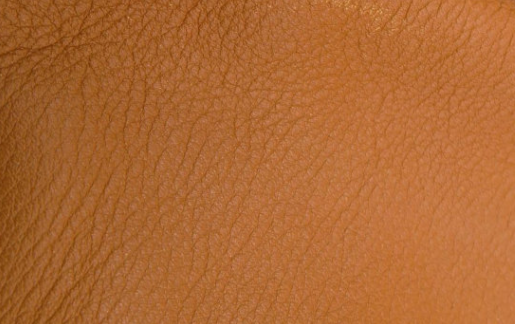
Introduction to Hermès Derma Leather
What makes Hermès Derma Leather particularly fascinating is its ability to develop a distinctive patina over time, creating a truly personalized piece that tells the story of its journey with its owner. This characteristic, combined with its robust nature and sophisticated appearance, positions it as an exceptional choice for those seeking a leather that balances everyday practicality with the refined elegance expected from the house of Hermès.
History and Heritage of Hermès Derma Leather
The introduction of Hermès Derma Leather into the maison’s repertoire represents a pivotal moment in the evolution of luxury leather goods. Developed during a period when Hermès was expanding its leather offerings to meet the diverse needs of an increasingly sophisticated clientele, Derma Leather emerged as a response to the demand for a material that could withstand rigorous use while maintaining the impeccable standards of luxury associated with the brand. The name “Derma” itself, derived from the Greek word for skin, hints at the leather’s fundamental connection to traditional craftsmanship and its celebration of natural material properties.
Throughout its history, Hermès Derma Leather has been particularly favored for specific product lines where durability and structure were paramount. Unlike some of the softer, more pliable leathers like Hermès Swift Leather, Derma was engineered to provide exceptional structural integrity while maintaining a refined appearance. This made it an ideal choice for bags and accessories that needed to maintain their shape over extended periods of use.
The development process of Hermès Derma Leather involved extensive collaboration between Hermès’ master craftsmen and specialized tanneries in France. These partnerships, some dating back several decades, ensured that every aspect of the leather’s production met the exacting standards that have become synonymous with the Hermès name. The tanning process itself underwent numerous refinements over the years, with each iteration bringing improvements in texture, durability, and color retention.
One of the most significant milestones in the history of Hermès Derma Leather was its adoption for limited edition pieces and special orders. This exclusivity added to its mystique and desirability among collectors, who recognized in Derma a leather that represented both Hermès’ innovative spirit and its deep respect for traditional craftsmanship. The leather’s journey from workshop staple to collector’s prize reflects the evolving tastes and priorities of luxury consumers over the decades.
In the contemporary luxury landscape, Hermès Derma Leather has achieved an almost legendary status among those familiar with the brand’s extensive leather offerings. Its relative scarcity in current production makes vintage pieces featuring this leather particularly valuable, both as functional luxury items and as important artifacts in the history of luxury leather goods. The legacy of Derma Leather continues to influence Hermès’ approach to leather development, with many of its innovative features incorporated into newer materials.
Comprehensive Characteristics of Hermès Derma Leather
The distinctive characteristics of Hermès Derma Leather set it apart as a truly exceptional material in the luxury leather goods industry. At first glance, Derma presents a smooth, refined surface with a subtle sheen that catches light in a way that’s both understated and sophisticated. The grain pattern, while present, is exceptionally fine and uniform, creating a canvas that showcases color with remarkable depth and richness. This surface treatment gives Hermès Derma Leather a contemporary appeal while maintaining the timeless elegance that is the hallmark of all Hermès materials.
The tactile experience of Hermès Derma Leather is equally impressive. To the touch, it offers a firm yet supple feel that speaks to its quality and careful processing. Unlike the pronounced grain of Hermès Togo Leather or the rigid structure of Hermès Epsom Leather, Derma strikes a perfect balance between texture and smoothness. This unique hand-feel makes it instantly recognizable to those familiar with Hermès’ various leather offerings and contributes to its desirability among collectors.
One of the most remarkable aspects of Hermès Derma Leather is its exceptional durability. The leather demonstrates outstanding resistance to daily wear, maintaining its appearance even under challenging conditions. Scratches, which might be permanent on more delicate leathers, often buff out easily on Derma, making it an excellent choice for those who prefer low-maintenance luxury. The leather’s natural resilience extends to its color retention properties as well, with Derma pieces maintaining their vibrancy and depth of color far longer than many other leather types.
The aging process of Hermès Derma Leather is particularly noteworthy. Over time, the leather develops a beautiful patina that enhances rather than detracts from its appearance. This evolution is gradual and graceful, with the leather softening slightly while maintaining its structural integrity. The corners and edges, areas typically prone to wear, show remarkable resistance to fraying or damage, testament to the leather’s inherent strength and quality finishing processes.
Weather resistance is another standout feature of Hermès Derma Leather. While not completely waterproof, the leather shows excellent resistance to moisture and humidity. Light rain or accidental spills can typically be wiped away without leaving permanent marks, though as with all luxury leathers, immediate attention to moisture is recommended. This weather resistance, combined with its durability, makes Derma an excellent choice for those living in variable climates or those who prefer not to baby their luxury accessories.
The weight and structure of Hermès Derma Leather deserve special mention. The leather provides excellent support for bag construction, maintaining shape without excessive rigidity. This structural quality means that bags made from Derma Leather tend to stand on their own when placed on surfaces, a practical feature that many users appreciate. Despite this firmness, the leather doesn’t feel heavy or cumbersome, striking an ideal balance between structure and wearability.
Manufacturing Excellence
The creation of Hermès Derma Leather represents the pinnacle of leather manufacturing excellence, involving a complex process that combines traditional techniques with carefully guarded innovations. The journey begins with the selection of premium hides, sourced exclusively from suppliers who meet Hermès’ stringent quality standards. These suppliers, many of whom have multi-generational relationships with the maison, understand that only the finest raw materials will suffice for the creation of Derma Leather. Each hide undergoes rigorous inspection, with even minor imperfections resulting in rejection.
The tanning process for Hermès Derma Leather is a carefully orchestrated sequence that can take several weeks to complete. Unlike mass-produced leathers that rely on chrome tanning for speed, Derma undergoes a combination tanning process that incorporates both vegetable and mineral elements. This hybrid approach allows the leather to benefit from the natural characteristics of vegetable tanning while achieving the consistency and color vibrancy associated with modern tanning methods. The process takes place in specialized tanneries in France, where master tanners with decades of experience oversee each batch.
Following the initial tanning, Hermès Derma Leather undergoes a series of finishing treatments that give it its distinctive characteristics. These treatments include careful dyeing processes that ensure color penetrates deep into the leather fibers, creating rich, lasting hues that resist fading. The surface is then treated with proprietary finishing agents that provide the leather’s characteristic sheen and protection without compromising its natural breathability. This finishing process is what distinguishes Derma from other leathers in the Classic Main Leathers collection.
Quality control throughout the manufacturing process is exceptionally rigorous. At each stage, the leather is inspected for consistency in color, texture, and thickness. Any variations that fall outside Hermès’ strict tolerances result in the leather being rejected for use in their products. This uncompromising approach to quality means that only a small percentage of the leather that enters the production process ultimately becomes Hermès Derma Leather suitable for the brand’s iconic bags and accessories.
The final stages of preparation involve cutting and sorting the leather according to its intended use. Master craftsmen evaluate each piece, determining which sections are suitable for bag bodies, handles, or smaller accessories. This careful allocation ensures that every Hermès product featuring Derma Leather showcases the material at its absolute best, with grain patterns and color consistency carefully matched across all components of a single piece.
Hermès Bag Models in Derma Leather
The application of Hermès Derma Leather across various bag models showcases the material’s versatility and enduring appeal. The iconic Birkin bag, when crafted in Derma Leather, takes on a particularly refined character. The leather’s inherent structure provides excellent support for the Birkin’s distinctive shape, ensuring that the bag maintains its silhouette whether carried by hand or left standing. The firmness of Derma also means that Birkin bags in this leather are less prone to slouching over time, a characteristic particularly appreciated by collectors who value pristine condition in their investments.
The Kelly bag in Hermès Derma Leather represents perhaps the most harmonious marriage of form and material. The Kelly’s structured design benefits immensely from Derma’s supportive nature, with the leather providing the perfect foundation for the bag’s architectural lines. The top handle maintains its shape beautifully, and the distinctive trapezoidal silhouette remains crisp and defined even with regular use. Vintage Kelly bags in Derma Leather are particularly sought after, as they often display the beautiful patina development that comes with age while maintaining their structural integrity.
Beyond the flagship models, Hermès Derma Leather has been utilized in various other designs throughout the brand’s history. The Constance bag, with its distinctive H closure, benefits from Derma’s smooth surface, which provides an elegant backdrop for the hardware. The leather’s durability makes it ideal for the Constance’s crossbody wear, resisting the friction and wear that can affect softer leathers. Similarly, the Evelyne bag in Derma Leather offers a more structured alternative to the typically casual style, elevating it to a level suitable for more formal occasions.
Smaller leather goods and accessories in Hermès Derma Leather deserve special mention. Wallets, card holders, and agenda covers benefit tremendously from the leather’s durability and resistance to wear. These items, which see daily handling and frequent use, maintain their appearance remarkably well when crafted in Derma. The leather’s resistance to scratching and marking makes it particularly suitable for items that spend time in pockets or bags alongside keys and other potentially damaging objects.
The rarity of Hermès Derma Leather in current production has made existing pieces increasingly valuable. Bags featuring this leather often command premium prices in the secondary market, particularly when they display the desirable characteristics of gentle use and proper aging. Collectors actively seek out Derma Leather pieces, recognizing them as important examples of Hermès’ leather craftsmanship heritage. The combination of rarity, durability, and aesthetic appeal makes these pieces excellent long-term investments.
Special editions and limited releases featuring Hermès Derma Leather have become legendary among collectors. These pieces, often created for specific markets or commemorative purposes, showcase the leather’s ability to hold special finishes and treatments. Some featured unique color combinations or hardware pairings that were never repeated, making them highly desirable additions to serious collections. The structural qualities of Derma made it particularly suitable for architectural or avant-garde designs that required a leather capable of maintaining complex shapes.
Color Palette and Variations
The color story of Hermès Derma Leather is one of subtle sophistication and remarkable depth. The leather’s smooth surface and fine grain create an ideal canvas for color, allowing hues to display with exceptional clarity and richness. Classic colors like Noir (black) in Derma Leather achieve a depth that is almost liquid in appearance, with light playing across the surface in subtle waves. This intensity of color is one of the defining characteristics that distinguishes Derma from more textured leathers like Hermès Clemence Leather.
Neutral tones in Hermès Derma Leather display particular elegance. Colors like Étoupe, Etain, and Gris Tourterelle showcase subtle undertones that shift with changing light conditions. These sophisticated grays and taupes have become highly sought after in Derma Leather, as the material’s surface treatment allows for a complexity of color that is both understated and luxurious. The way these neutrals age and develop patina adds another dimension to their appeal, with use enhancing rather than diminishing their beauty.
Vibrant colors in Hermès Derma Leather are truly spectacular. Rich jewel tones like Rouge H, Vert Emeraude, and Bleu Saphir display with an intensity that can be almost mesmerizing. The leather’s surface treatment ensures that these bold colors maintain their vibrancy over time, resisting the fading that can affect other leather types. Seasonal colors, when offered in Derma, often became instant classics, with collectors recognizing the special quality that this leather brought to limited edition hues.
The interaction between Hermès Derma Leather and hardware creates particularly striking combinations. Gold hardware against dark Derma creates a classic, timeless look, while palladium hardware offers a more contemporary aesthetic. The smooth surface of the leather provides an elegant backdrop that allows hardware details to truly shine, creating a harmonious balance between material and metal that exemplifies Hermès’ attention to design detail.
Care and Maintenance
Proper care and maintenance of Hermès Derma Leather ensures that pieces retain their beauty and value over time. The good news for owners is that Derma is one of the more forgiving leathers in the Hermès collection, requiring less intensive maintenance than more delicate options. Daily care involves simple practices that prevent damage and maintain the leather’s appearance. Regular dusting with a soft, dry cloth removes surface particles that could potentially cause scratching. This simple routine, performed weekly or after each use, goes a long way in preserving the leather’s pristine condition.
For deeper cleaning, Hermès Derma Leather responds well to gentle treatment with appropriate leather care products. A slightly damp cloth can be used to remove superficial marks or dirt, always followed by thorough drying with a soft, absorbent cloth. It’s crucial to avoid excessive moisture, as even durable leathers can be damaged by prolonged water exposure. When cleaning, always work in gentle, circular motions to avoid creating streaks or uneven areas on the leather’s surface.
Conditioning Hermès Derma Leather should be approached with caution and performed sparingly. Unlike some other leathers that benefit from regular conditioning, Derma’s finished surface means that over-conditioning can actually compromise its appearance, potentially causing unwanted shine or softening. When conditioning is necessary, typically no more than once or twice per year, use products specifically designed for finished leathers and apply sparingly with a soft cloth.
Storage of Hermès Derma Leather items requires attention to environmental factors. The leather should be kept in a cool, dry place away from direct sunlight, which can cause fading or drying over time. When storing bags, stuff them lightly with acid-free tissue paper to maintain shape, and always use the provided dust bags. Avoid plastic storage bags, which can trap moisture and cause damage. For long-term storage, consider climate-controlled environments that maintain consistent temperature and humidity levels.
Professional maintenance services can be invaluable for preserving Hermès Derma Leather pieces. Hermès spa services offer specialized cleaning and restoration that can address issues beyond routine maintenance. These services understand the specific requirements of Derma Leather and use appropriate techniques and products. For valuable or vintage pieces, professional care can be a worthwhile investment that maintains both appearance and value. Many collectors establish relationships with trusted leather specialists who understand the unique characteristics of various Hermès leathers, including the specific needs of Derma.
Preventive measures are perhaps the most important aspect of Derma Leather care. Avoiding exposure to oils, perfumes, and cosmetics prevents staining that can be difficult or impossible to remove. When carrying Derma Leather bags, be mindful of rough surfaces that could cause scratching, though the leather’s durability means minor surface marks often buff out easily. Color transfer from dark clothing, particularly denim, should be avoided, especially with lighter colored Derma pieces.
Comparisons with Other Hermès Leathers
Understanding how Hermès Derma Leather compares to other options in the Hermès leather family provides valuable context for appreciation and selection. When compared to Hermès Togo Leather, one of the most popular contemporary choices, Derma offers a smoother surface with less pronounced grain. While Togo is celebrated for its scratch resistance and casual elegance, Derma provides a more refined appearance with superior structure. The choice between these two often comes down to personal preference for texture and intended use, with Derma being favored for more formal occasions.
Against Hermès Box Calf Leather, another smooth leather option, Derma shows distinct advantages in durability and maintenance requirements. While Box Calf offers an unmatchable shine and formal appearance, it is notably more susceptible to scratching and water damage. Derma provides a middle ground, offering a smooth, refined surface without the high maintenance requirements of Box Calf. This makes Derma an excellent choice for those who appreciate smooth leathers but need greater practicality.
The comparison with Hermès Evercolor Leather reveals interesting contrasts in approach to leather finishing. Both leathers offer smooth surfaces and good durability, but Evercolor tends to be softer and more pliable. Derma’s firmer hand and superior structure make it better suited for bags that need to maintain their shape, while Evercolor’s softness makes it ideal for bags with a more relaxed silhouette. The choice between them often depends on the specific model and personal preferences for bag structure.
When considering exotic alternatives, Hermès Derma Leather offers some compelling advantages. While exotic leathers from the Exotic Leather collection provide unmatched luxury and exclusivity, Derma offers greater versatility and ease of maintenance. The durability and weather resistance of Derma make it suitable for daily use in ways that precious exotic skins might not be, while still providing a luxurious appearance and feel that satisfies discerning tastes.
The unique position of Hermès Derma Leather becomes clear when considering the full spectrum of Hermès offerings. It occupies a sweet spot between casual and formal, durable and refined, structured and flexible. This versatility, combined with its relative rarity in current production, makes it a particularly interesting option for collectors who appreciate both practical functionality and investment potential. Understanding these comparisons helps collectors and users make informed decisions about which Hermès leather best suits their needs and preferences.
Investment Value and Market Dynamics
The investment potential of Hermès Derma Leather pieces has become increasingly apparent as the luxury resale market has matured. The combination of discontinued production status, exceptional durability, and timeless appeal has created a perfect storm for value appreciation. Pieces in Hermès Derma Leather, particularly iconic models like Birkin and Kelly bags, have shown consistent value growth that often outpaces inflation and traditional investment vehicles. This performance has attracted attention from both collectors and investors who recognize luxury goods as a legitimate asset class.
Market analysis reveals that Hermès Derma Leather pieces typically command premium prices compared to similar models in more common leathers. This premium reflects not only the leather’s rarity but also its desirable characteristics. The leather’s durability means that even vintage pieces can be found in excellent condition, making them attractive to buyers who want the character of a vintage piece without compromising on quality. Auction results consistently show strong performance for Derma Leather pieces, with competitive bidding often driving prices well above initial estimates.
The factors influencing value retention and appreciation for Hermès Derma Leather are multifaceted. Condition remains paramount, with pieces showing minimal wear commanding the highest prices. Color plays a significant role, with classic colors like black and neutral tones showing steady appreciation, while rare or unusual colors can command exceptional premiums. Hardware type and condition also impact value, with original hardware in good condition being essential for maximum value retention.
Authentication and provenance have become increasingly important in the Derma Leather market. As values have risen, so has the sophistication of counterfeits, making expert authentication essential. Pieces with complete documentation, including original receipts, certificates, and packaging, command premium prices. The Hermès spa receipt history can also add value, demonstrating proper care and maintenance. Collectors have become increasingly sophisticated in their understanding of authentication markers specific to Derma Leather, including grain patterns, stamp characteristics, and hardware details.
Looking forward, the investment outlook for Hermès Derma Leather remains strong. The combination of limited supply due to discontinued production and steady or growing demand from collectors suggests continued appreciation potential. As newer generations of collectors enter the market, often with different priorities than traditional buyers, the practical qualities of Derma Leather – its durability and low maintenance requirements – may become even more valued. The leather’s position as a bridge between vintage and contemporary Hermès offerings gives it unique appeal to diverse collector segments.
Authentication and Identifying Genuine Derma Leather
Authentication of Hermès Derma Leather requires understanding specific characteristics that distinguish genuine pieces from counterfeits. The leather itself provides numerous authentication points, beginning with its distinctive surface texture and finish. Genuine Derma Leather has a consistent, fine grain that is uniform across the entire piece. The surface should have a subtle sheen that is integral to the leather, not applied as a coating. When examined closely, the grain pattern should show natural variations that are impossible to replicate perfectly in synthetic materials.
The craftsmanship markers on Hermès Derma Leather pieces provide crucial authentication evidence. Stitching should be perfectly straight and evenly spaced, with the distinctive Hermès saddle stitch creating a slight angle. The thread used should be appropriate for the era of production, with color matching the leather or providing intentional contrast. Edge painting or edge treatment should be smooth and even, without gaps or overlaps. The attention to detail in genuine pieces extends to areas not immediately visible, such as the interior of pockets or the underside of straps.
Hardware on Hermès Derma Leather pieces offers additional authentication points. Genuine hardware should have appropriate weight and feel substantial in hand. Engravings should be crisp and properly aligned, with consistent depth and clarity. The plating, whether gold or palladium, should be even and without spots or discoloration. Movement of hardware elements like clasps and turn locks should be smooth but with appropriate resistance, never loose or difficult to operate.
Date stamps and craftsman marks provide valuable authentication information for Hermès Derma Leather pieces. The format and location of these marks have evolved over time, and understanding these changes is crucial for authentication. The blind stamp should be appropriate for the claimed year of production, with letter shapes and stamp depth consistent with known examples from that period. Any inconsistencies between the date stamp and other aspects of the bag’s construction or materials should raise immediate red flags.
Styling Guide for Hermès Derma Leather
The versatility of Hermès Derma Leather makes it an excellent choice for various styling scenarios throughout the year. During spring and summer months, lighter colors in Derma Leather provide a sophisticated complement to seasonal wardrobes. The leather’s resistance to moisture makes it practical for unexpected spring showers, while its refined appearance ensures it remains appropriate for summer social events. Neutral tones in Derma pair beautifully with the lighter fabrics and colors typical of warm-weather dressing, providing grounding elements to otherwise ethereal outfits.
For autumn and winter styling, Hermès Derma Leather truly shines. The leather’s durability and weather resistance make it ideal for the challenges of colder months, while its sophisticated appearance complements the richer textures and deeper colors of cold-weather wardrobes. A black or deep brown Derma Leather bag provides the perfect accent to wool coats and cashmere scarves, while maintaining its structure and appearance despite daily use. The leather’s ability to develop a beautiful patina over time means that pieces become even more beautiful as they accompany their owners through multiple seasons.
Professional settings particularly benefit from the refined appearance of Hermès Derma Leather. The leather’s structured nature and polished appearance make it ideal for business environments where image matters. Unlike some of the more casual leather options in the Hermès range, Derma maintains a formality that commands respect in corporate settings. Whether paired with a tailored suit or a more creative professional ensemble, Derma Leather adds an element of understated luxury that enhances professional presence without overwhelming it.
Conclusion
Hermès Derma Leather stands as a testament to the maison’s unwavering commitment to excellence in materials and craftsmanship. Its unique combination of durability, refinement, and versatility has secured its place in the pantheon of exceptional Hermès leathers, even as its production has become part of the brand’s storied history. For those fortunate enough to own pieces in this remarkable leather, they possess not just luxury accessories but important artifacts that represent a significant chapter in the evolution of luxury leather goods.
The enduring appeal of Hermès Derma Leather extends beyond its physical characteristics to encompass its role in the broader narrative of Hermès as a brand. It represents a philosophy of quality over quantity, of timeless design over fleeting trends, and of genuine craftsmanship in an increasingly automated world. As the luxury market continues to evolve, pieces in Derma Leather serve as touchstones to these enduring values, reminding us why Hermès remains the gold standard in luxury leather goods.
For collectors, investors, and lovers of fine leather goods, understanding and appreciating Hermès Derma Leather opens new dimensions in the enjoyment and evaluation of luxury accessories. Whether considering a purchase, caring for an existing piece, or simply appreciating the artistry involved in its creation, knowledge of this exceptional leather enriches the experience of Hermès ownership. As we look to the future, the legacy of Derma Leather continues to influence and inspire, ensuring its place in the ongoing story of Hermès Barenia Leather and other exceptional materials that define luxury in the modern era.